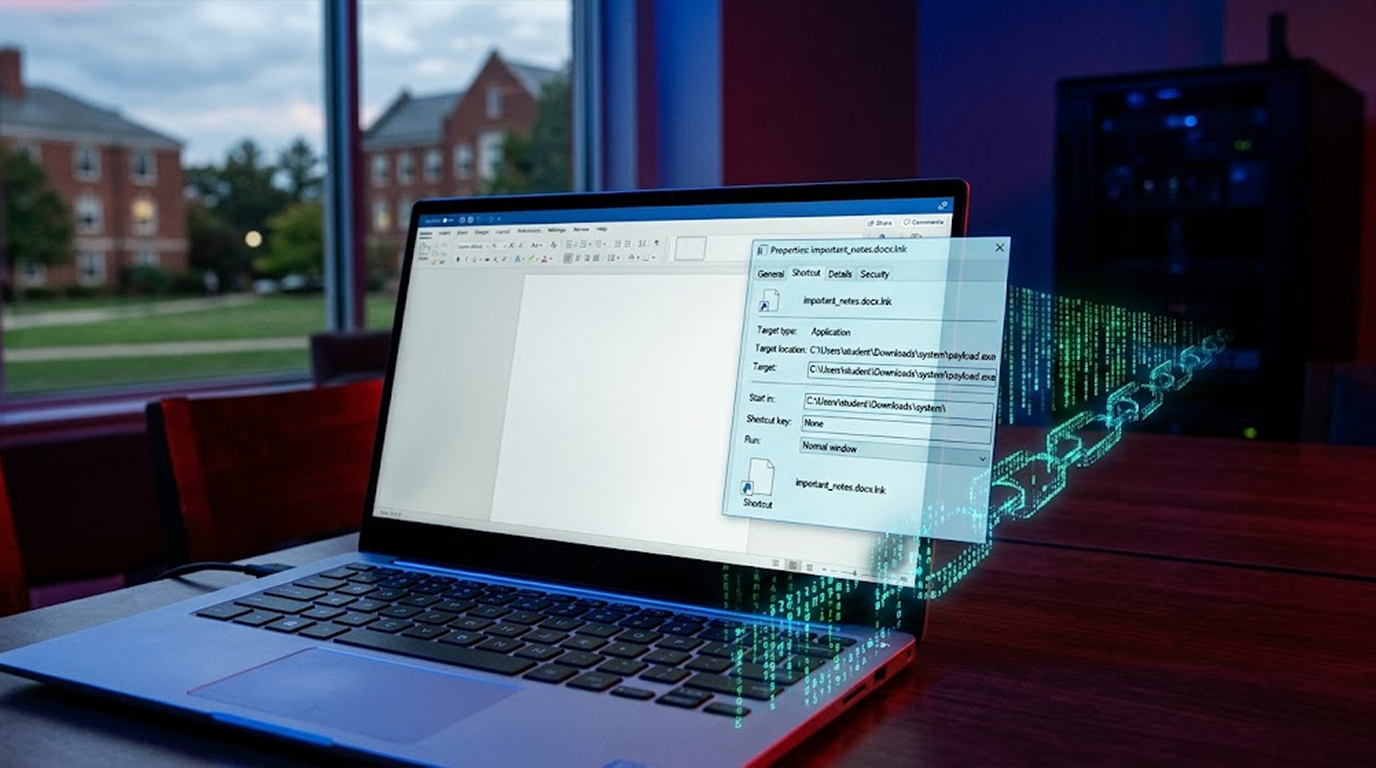
If you’ve ever tried pouring soda into a glass that’s already full, you’ve seen what a buffer overflow looks like in the digital world. The glass is the buffer — it only has so much room. When you keep pouring, it spills all over the table, into places it doesn’t belong.
That’s exactly what happens inside a computer program. A buffer overflow occurs when software tries to stuff more data into a memory space (the buffer) than it can hold. Instead of politely refusing, the extra data “spills over” into nearby memory. And that’s where the trouble starts.
Why It’s a Big Deal
In the best case, the program just crashes. Annoying, but not catastrophic.
In the worst case? Hackers take advantage of the overflow to sneak in malicious instructions. They can hijack the program, steal data, or even get full control of the system.
This isn’t just theory. Some of the most famous worms and viruses from the early 2000s spread because of buffer overflow bugs that nobody patched in time.
A Quick Example
Here’s a tiny C program that shows the danger:
#include <stdio.h>
#include <string.h>
int main() {
char box[10];
strcpy(box, "OverflowIncoming!");
printf("Box contains: %s\n", box);
return 0;
}
That box is only big enough for 10 characters. The phrase "OverflowIncoming!" is longer, so it just keeps writing past the edge. Imagine writing on a notepad and accidentally scribbling over the table underneath — same idea.
Different Kinds of Overflows
- Stack Overflow: messes with the temporary memory that functions use. If a hacker overwrites the “return address,” they can tell the program to jump wherever they want.
- Heap Overflow: targets the space used for longer-term memory, often corrupting other important data structures.
How to Stay Safe
Programmers have learned the hard way to guard against this:
- Replace unsafe functions (strcpy, gets) with safer versions.
- Always double-check input sizes.
- Use modern protections like ASLR (randomizing memory locations) and stack canaries (sneaky tripwires that detect tampering).
- Better yet, code in languages that won’t let you overflow at all — like Python or Rust.
Buffer overflows might sound like a nerdy problem from the 90s, but they’re still alive today. If you’re building or securing software, think of them as leaky pipes: ignore them, and one day they’ll flood the whole house.