Updated on February 26, 2025
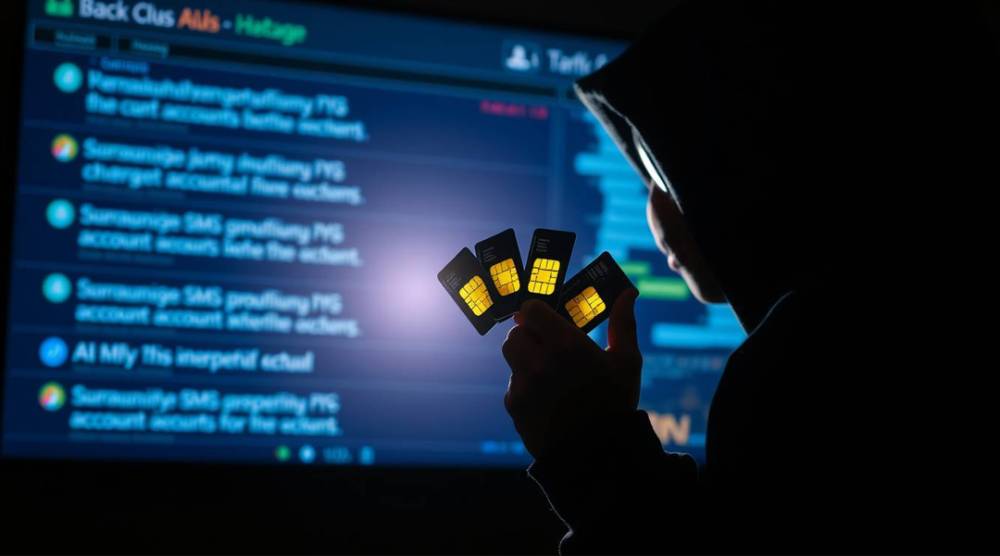
SIM swapping, also known as SIM hijacking, is a type of cyberattack where a hacker transfers a victim’s phone number to a SIM card they control. This allows cybercriminals to intercept calls, text messages, and two-factor authentication (2FA) codes, giving them access to financial accounts, social media, and other sensitive data.
How SIM Swapping Works
- Gathering Personal Information – Hackers use phishing, data breaches, or social engineering to collect personal details like phone numbers, addresses, and even security answers.
- Impersonating the Victim – The attacker contacts the victim’s mobile provider, posing as the account holder, and convinces customer service to activate a new SIM card.
- Gaining Control – Once the new SIM is activated, the victim’s phone loses service, and the hacker receives all SMS-based authentication codes and calls.
- Taking Over Accounts – With access to SMS-based authentication, the hacker resets passwords and gains control of bank accounts, emails, and cryptocurrency wallets.
Signs You May Be a Victim of SIM Swapping
- Sudden loss of cellular service despite being in a coverage area
- Inability to send or receive calls and messages
- Alerts about unauthorized login attempts on your accounts
- Notifications from your mobile provider about changes you didn’t request
How to Protect Yourself
- Use App-Based Authentication – Replace SMS-based 2FA with authenticator apps like Google Authenticator or Microsoft Authenticator.
- Enable PIN or Password Protection – Set a strong PIN or passcode with your mobile carrier to prevent unauthorized SIM changes.
- Monitor Account Activity – Regularly check your financial and email accounts for unusual login attempts.
- Be Cautious with Personal Information – Avoid sharing sensitive details on social media and be wary of phishing attempts.
- Contact Your Carrier Immediately – If you suspect a SIM swap, call your provider to report unauthorized changes and regain control of your number.
SIM swapping is a growing cyber threat that can lead to financial losses and identity theft. By implementing strong security measures and staying vigilant, you can reduce the risk of falling victim to this attack.