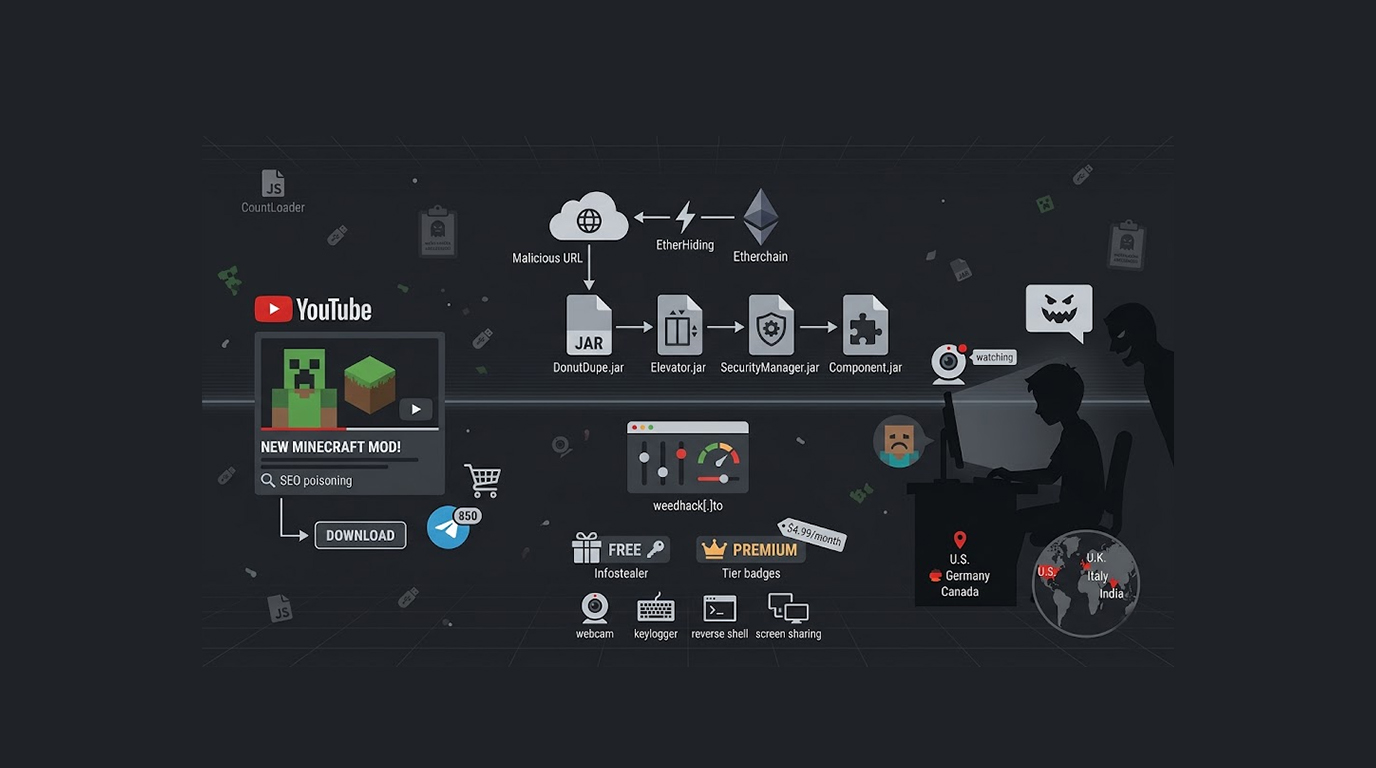
Insider threats are cybersecurity risks that come from within an organization. Unlike external hackers, these threats involve employees, contractors, or partners misusing access to systems or data. Insider threats can be intentional, like data theft, or accidental, such as a mistake leading to a security breach.
Types of Insider Threats
- Malicious Insiders:
- Individuals with intent to harm the organization.
- Examples include stealing sensitive data or sabotaging systems.
- Negligent Insiders:
- Employees who unintentionally compromise security through carelessness.
- Examples include clicking phishing links or using weak passwords.
- Compromised Insiders:
- Individuals whose accounts or access are hijacked by external attackers.
- Example: A hacker using an employee’s credentials to breach systems.
Why Insider Threats Are Dangerous
- Access: Insiders often have legitimate access to sensitive data or systems, making detection harder.
- Reputation Damage: A data breach caused by an insider can erode customer trust.
- Financial Losses: Theft or damage to intellectual property can cost organizations millions.
- Difficulty in Detection: Insider activity often blends in with regular workflows, delaying identification.
Signs of an Insider Threat
- Unusual Behavior: Changes in attitude or sudden dissatisfaction with the organization.
- Data Access Patterns: Repeated access to files or systems unrelated to the employee’s role.
- Excessive Downloads: Large data transfers, especially before an employee leaves the company.
- Anomalous Logins: Accessing systems at odd hours or from unusual locations.
Mitigating Insider Threats
- Implement Zero Trust: Verify all users and devices, even those inside the network.
- Use Least Privilege: Limit access to data and systems based on roles.
- Monitor User Activity: Employ tools to track and analyze employee actions on sensitive systems.
- Regular Training: Educate employees on cybersecurity best practices and the consequences of negligence.
- Background Checks: Screen employees and contractors before granting access to critical systems.
Responding to Insider Threats
- Early Detection: Use automated alerts to flag suspicious activity.
- Incident Response Plan: Have a defined strategy to address insider-related breaches.
- Legal Action: Depending on the severity, take appropriate disciplinary or legal measures.
Insider threats highlight the importance of balancing trust with robust security measures. By staying proactive, you can protect your organization from risks that originate within.