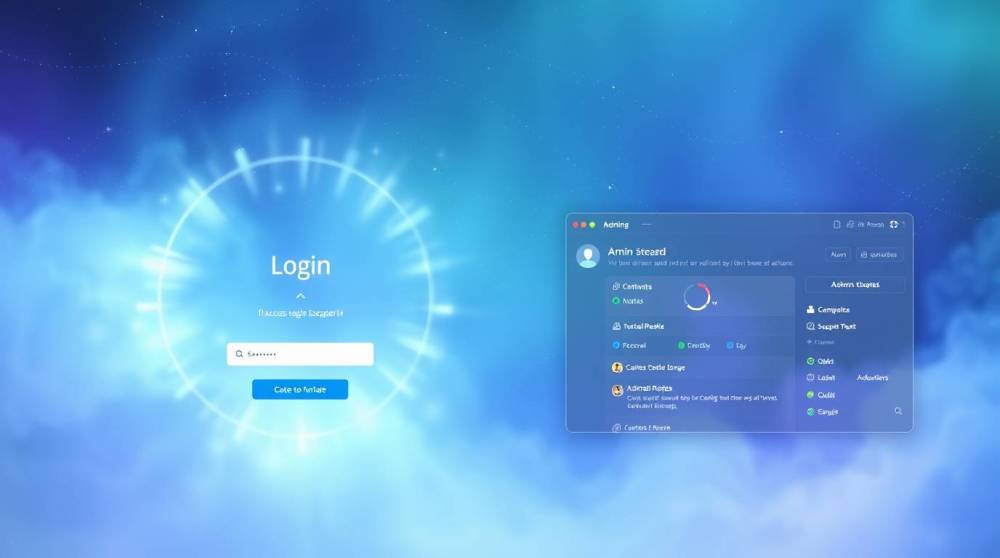
Most breaches don’t start with a dramatic exploit. They start with a login page and a small mistake someone assumed wouldn’t matter.
Attackers don’t smash their way in. They walk through what’s already exposed.
The Login Page Is an Information Source
Login pages reveal more than they should.
Common examples:
1. Different error messages for valid and invalid users
2. Predictable account lockout behavior
3. Forgotten debug parameters
4. Password reset flows that leak user data
To an attacker, this is reconnaissance. The login page explains how authentication works before any real attack begins.
Credential Access Comes First
Very few attackers try to bypass authentication immediately.
They usually rely on:
1. Phishing
2. Credential stuffing
3. Reused passwords
4. Session hijacking
Once a valid account is found, the real work begins.
Low-Privilege Access Is Enough
Attackers don’t need admin access on day one.
A basic user account can reveal:
1. API endpoints
2. Role structures
3. Feature flags
4. Hidden admin routes
From there, privilege escalation becomes a puzzle, not a gamble.
Authorization Is Where Things Break
Broken authorization is why so many of the methods used to gain administrator access are not through broken authentication.
An example of this could be:
1. Not checking for roles in backend endpoints
2. Validating permissions on Client Side
3. Administrative functionality is available via API access
4. Unprotected direct object references
As soon as an attacker realizes that the backend has too much faith in the frontend, vulnerabilities arise.
Poor Isolation of Administrative Panels
Once an attacker achieves the ability to access administrative functionality, typically security is lowered.
Here are 3 examples of what team members may believe:
1. “Only staff are aware of this URL”
2. “This is secured behind a VPN”
3. “Nobody would attempt to guess this endpoint”
However, attackers will quickly test these assumptions.
How This Process Is Successful So Often
From the time users log into the system until they arrive at the Admin Panel is typically the success avenue. Here are several reasons for this:
1. Layered small bugs that are less significant than one major bug
2. There are no assumptions regarding the enforcement of user permissions
3. Monitoring for abnormal behavior has a focus on the outsider, not the insider(s)
4. Alerts will typically be triggered once a user has successfully gained access to your organization’s systems, thus appearing to be like a regular user.
What Actually Prevents This
Companies that block this path tend to focus on fundamentals:
1. Uniform error messages
2. Strong authentication and MFA
3. Strict server-side authorization checks
4. Proper separation of admin functionality
5. Monitoring for abnormal role behavior
None of these are advanced. They’re just consistently applied.
Attackers don’t need clever exploits to reach admin panels. They need patience and a system that trusts too much. If a login page gives away small clues, someone will follow them all the way to the control room.