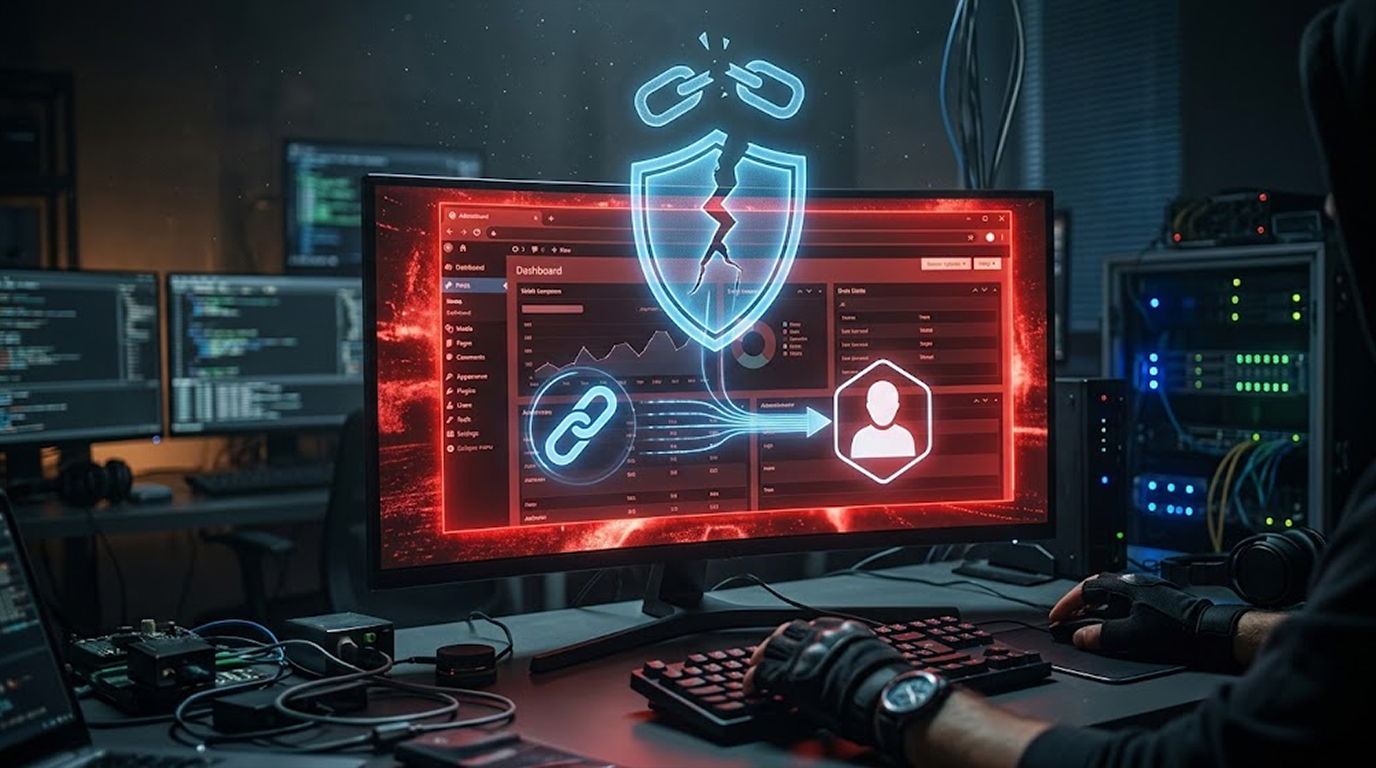
Healthcare is super, super messy when it comes to cybersecurity. And I don’t mean messy like “oh, someone forgot a password” I mean messy in the way that people actually run hospitals and clinics. You’ve got legacy systems, people who barely touch IT, and tons of sensitive data lying around.
And guess what? Hackers love it. They just do. Patient records, insurance info, research data all of it is valuable. It’s not just numbers or spreadsheets. It’s people. Real people. And when breaches happen, it’s not some abstract thing. It actually affects care. Surgeries delayed, appointments canceled, people waiting for life-saving info. Yeah. Real life.
What We Learn From Past Breaches
Ransomware hitting hospitals isn’t a story you want to read over coffee, it’s terrifying in practice. But the truth is, these breaches often start with the tiniest things. A click on a phishing email. A weak password. Someone downloading a dodgy attachment. It’s frustrating because it’s not rocket science. It’s humans being humans.
But it’s bigger than that. Networks aren’t properly segmented. Old systems can’t be updated. Incident plans exist, but no one really tests them. So when chaos hits, everyone scrambles. And yes, sometimes it spreads across the whole hospital.
Global Health is at Risk Too
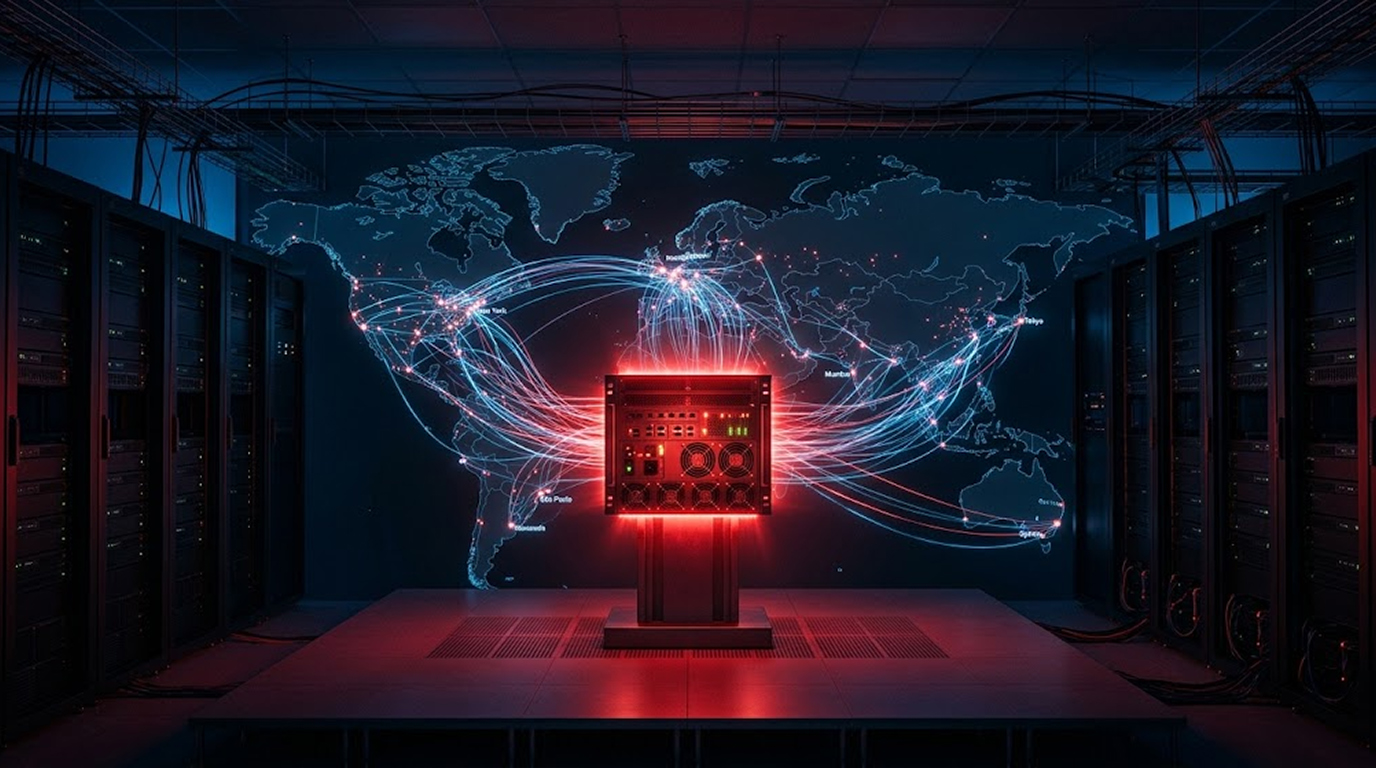
And don’t think it stops at one hospital. Data moves. Research is shared internationally. Doctors collaborate across borders. A breach in one place? Could affect research elsewhere. It’s… well, it’s a mess. And attackers know it.
Which is why cybersecurity can’t be just a tech thing. It needs to be part of the culture from patient check-in to vaccine development. Everyone, everywhere, needs to know their role.
How We Can Actually Fix This (Or At Least Try)
1. Train staff regularly, and I mean really train them. Don’t just send emails. Run phishing simulations. Make mistakes in a safe environment.
2. Segment networks. One breach shouldn’t take everything down.
3. Patch and update, even if it’s annoying. Legacy systems are hackers’ playgrounds.
4. Test incident response plans. And test them again. And again. People forget stuff if they don’t practice.
5. Share info globally. Cyber threats don’t care about borders. We need to talk about it, openly.
Cybersecurity isn’t just IT. It’s people. Doctors, nurses, admin staff, IT, leadership they all play a part. One slip-up, one missed alert, and patient data is gone. Or worse, care is disrupted.
The lesson is obvious: if we don’t prepare, train, and communicate, breaches will keep happening. And yeah, that sucks, but at least knowing the problem is half the battle.