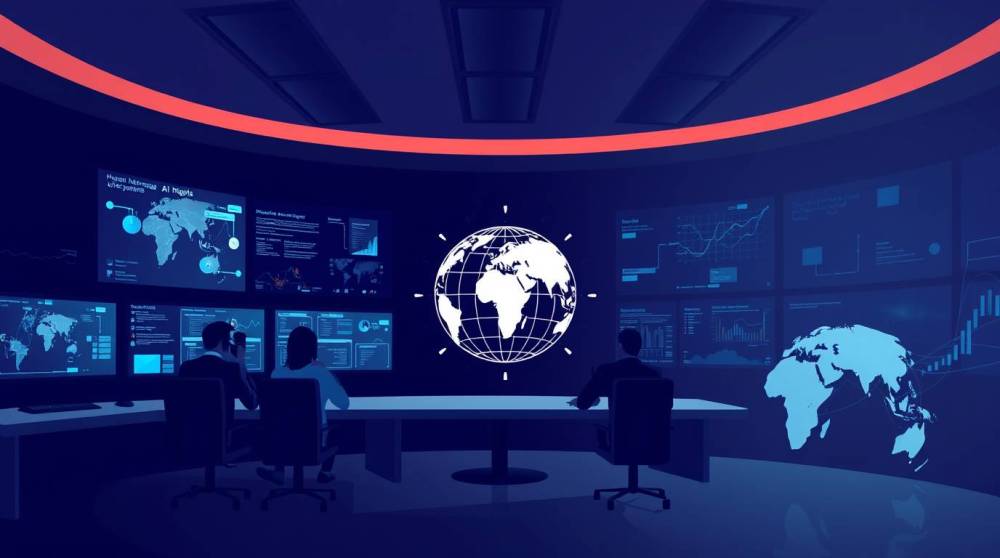
AI is changing things in ways people don’t always notice. Countries are dealing with cybersecurity differently now because machines can do stuff that humans can’t keep up with. Cyber diplomacy used to be about talking, negotiating, figuring out rules. Now there’s AI in the mix, and that changes everything.
AI can look at tons of network data and tell if something looks weird. That’s good, but sometimes it flags things that aren’t actually a problem. And when countries see a flagged activity, they might think it’s an attack. Small mistakes like that can make a mess quickly.
It’s not just defense. AI changes how information spreads. Governments, companies, and even activists use AI to watch what people are saying, to see trends, and sometimes to push messages. Cyber diplomats have to think about that too, because machines act fast and humans negotiate slow.
There’s also the question of responsibility. If AI does something that causes trouble, who’s responsible? There aren’t clear rules yet, and the results can be serious.
For companies, it matters too. Cybersecurity isn’t just about firewalls. AI can affect networks in ways that have real consequences. Understanding it is important if a company operates internationally.
The point is, AI and cyber diplomacy are linked now. Decisions online have consequences in the real world. Ignoring this is not an option.