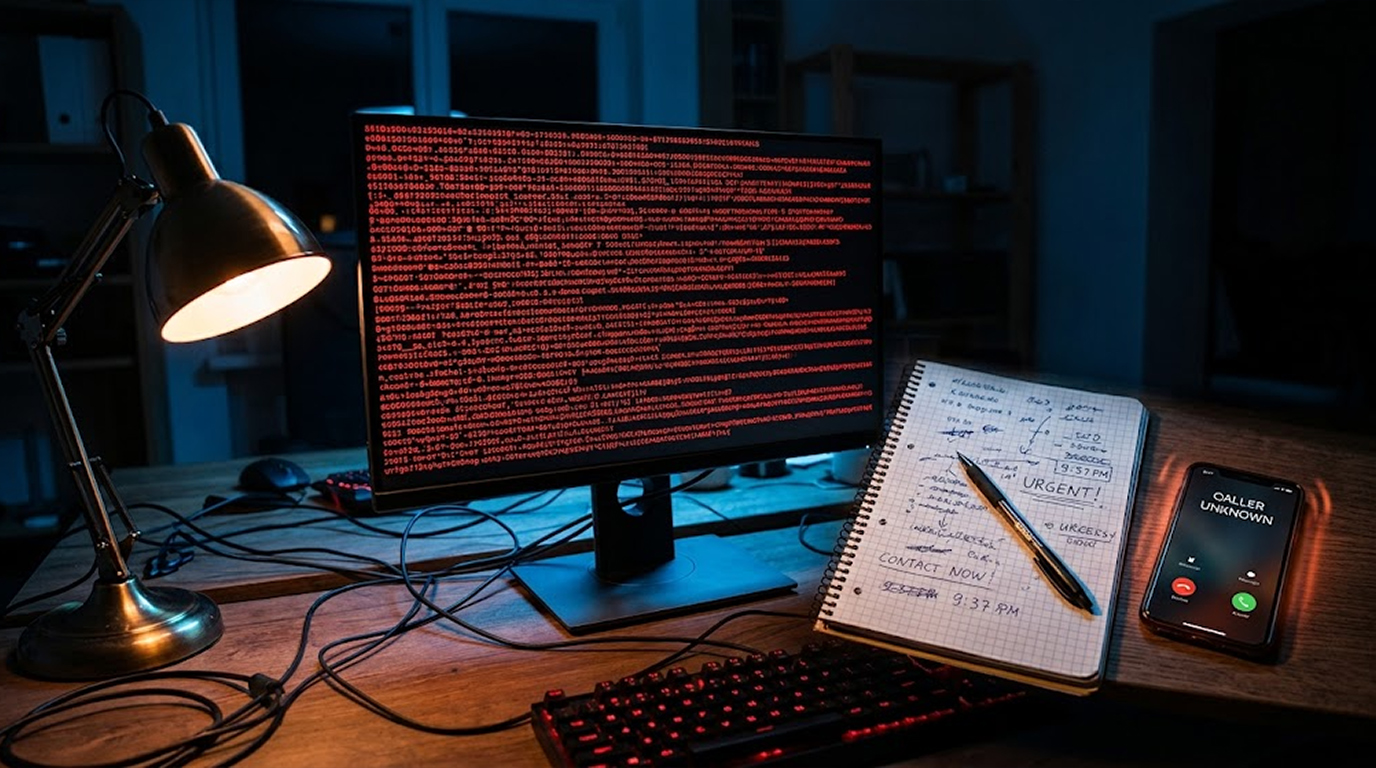
The world has always needed peacekeepers, people who step in when conflict breaks out and help calm things down. But what happens when the battlefield isn’t on land, sea, or air, but online?
That’s where the idea of cyber peacekeeping comes in.
It sounds futuristic, but the truth is, we’re already halfway there. Every time global cyber incidents happen from attacks on power grids to data breaches that cross borders, someone has to coordinate, investigate, and make sure things don’t spiral into full-scale digital war.
Right now, that “someone” doesn’t officially exist. But in the near future, we might see cyber peacekeepers teams who can step into digital conflicts the way traditional peacekeepers step into physical ones.
What cyber peacekeepers might actually do
Their job wouldn’t be to fight back or launch counterattacks. It would be to bring stability after chaos.
They could:
- Help restore systems that were hit by cyberattacks.
- Track where attacks originated and share that info transparently.
- Make sure no country or group overreacts before the facts are clear.
- Mediate between governments or organizations when blame turns political.
In short, they’d keep the digital peace not by using force, but by using facts, cooperation, and trust.
Why the world needs them
Cyber conflicts are messy. It’s easy to misread signals, jump to conclusions, or accuse the wrong party. One wrong assumption can lead to real-world consequences , even military responses.
Having a neutral group of experts who can analyze what really happened could stop small cyber incidents from turning into international crises.
Cyber peacekeeping could also help protect civilians. Hospitals, schools, and public services are all connected to the internet now. When they’re hit by ransomware or targeted in a digital attack, people suffer and it’s often outside their control.
The hard part — trust
Of course, none of this is easy. Nations don’t like sharing cyber data, and “trust” isn’t built overnight. For cyber peacekeeping to work, countries would need to agree on a few things:
- When and how peacekeepers can intervene.
- What kind of data can be shared safely.
- How neutrality is guaranteed.
That’s why this idea isn’t just technical, it’s deeply political. It will need cyber diplomacy, not just cybersecurity.