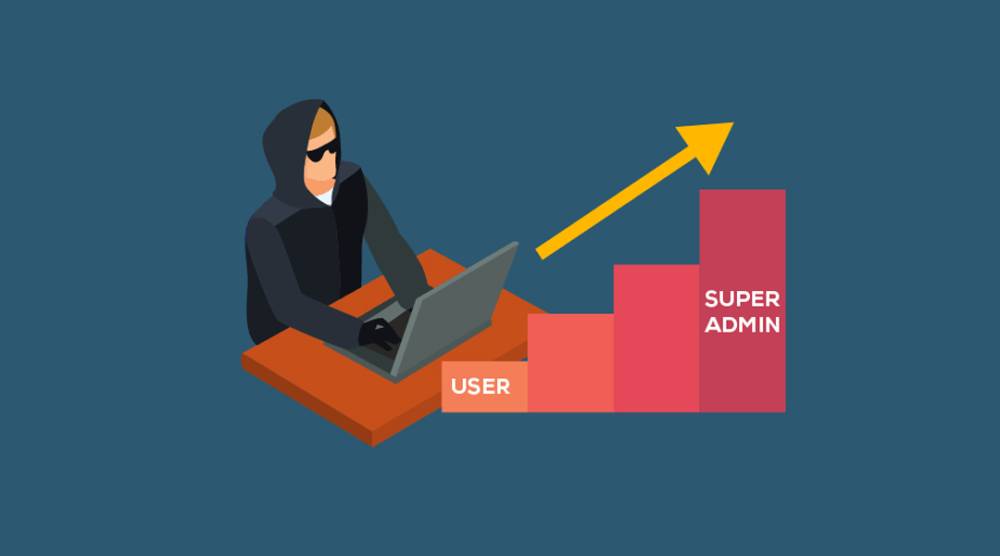
Privilege escalation is one of the most dangerous tactics used by attackers to gain unauthorized access to sensitive systems, data, or networks. By exploiting vulnerabilities or misconfigurations, cybercriminals can elevate their privileges within an environment, allowing them to perform actions they are not authorized to carry out. Understanding how privilege escalation works and how to prevent it is essential for maintaining a strong security posture.
What is Privilege Escalation?
Privilege escalation occurs when an attacker gains higher-level permissions than what they are initially granted. This could mean moving from a standard user account to an administrative account, or from a low-level process to one with higher privileges, such as root access on a Linux system or SYSTEM privileges on a Windows machine. With elevated privileges, attackers can access sensitive files, alter system configurations, install malicious software, or even take full control of the system.
There are two main types of privilege escalation:
- Vertical Privilege Escalation:
In this scenario, the attacker gains access to higher-level privileges. For example, a regular user account may escalate to an administrator or superuser account. - Horizontal Privilege Escalation:
Here, the attacker remains within the same privilege level but gains access to another user's account with the same access rights. For example, a standard user may compromise another standard user's account, gaining access to their data or applications.
How Privilege Escalation Attacks Occur:
Attackers use a variety of methods to escalate privileges within a system, including:
- Exploiting Vulnerabilities:
Unpatched software or operating system vulnerabilities can be exploited to perform privilege escalation. Attackers take advantage of coding flaws, buffer overflows, or improper permission settings to escalate privileges. - Misconfigurations:
Improperly configured systems, such as overly permissive access controls or insecure services running with high privileges, can allow attackers to escalate their access. Misconfigured user roles or group memberships also contribute to privilege escalation risks. - Weak or Shared Credentials:
Using weak passwords, or sharing passwords across multiple users or services, can lead to account compromise. Once attackers gain access to an account, they can use it to escalate privileges by compromising other accounts with higher access levels. - Credential Harvesting:
Attackers use techniques like phishing, keylogging, or credential stuffing to steal user login credentials. After gaining access to a low-privileged account, they seek opportunities to escalate their privileges by moving laterally through the network or system. - Privilege Misuse:
In some cases, employees or insiders abuse their legitimate privileges to access restricted data or perform unauthorized actions. This is particularly dangerous in organizations where privilege controls are poorly enforced or monitored.
The Impact of Privilege Escalation Attacks:
Privilege escalation poses significant risks to an organization's security, including:
- System Takeover: Once an attacker gains elevated privileges, they can take complete control of the system, installing malware, exfiltrating data, or even wiping out entire databases.
- Data Breach: Attackers can access sensitive data, intellectual property, or financial information, leading to severe legal, financial, and reputational damage.
- Persistence: Elevated privileges allow attackers to maintain long-term access to a compromised system, making it difficult for security teams to detect and remove the threat.
- Increased Attack Surface: With administrative privileges, attackers can disable security controls, spread malware across the network, and facilitate other attacks like ransomware or data exfiltration.
How to Prevent Privilege Escalation:
- Apply the Principle of Least Privilege (PoLP):
Limit users' access rights to only what they need to perform their jobs. Avoid granting administrative privileges unless absolutely necessary, and regularly review access controls. - Keep Systems and Software Updated:
Regularly patch vulnerabilities in operating systems, applications, and software. Keeping systems up to date with the latest security patches helps prevent privilege escalation through exploited vulnerabilities. - Implement Multi-Factor Authentication (MFA):
Adding an extra layer of security by requiring MFA reduces the risk of account compromise, even if an attacker obtains valid credentials. - Monitor User Activity:
Use tools to monitor user actions, especially those with elevated privileges. Suspicious behavior, such as accessing sensitive files or logging in from unusual locations, should trigger alerts for investigation. - Secure Configurations:
Ensure systems are configured securely, with proper access controls in place. Regularly audit system configurations, permissions, and user roles to identify potential weaknesses. - Use Endpoint Protection Tools:
Endpoint protection tools that detect unusual activity and enforce access controls can stop privilege escalation attempts before they succeed. These tools can flag unauthorized privilege changes or attempts to exploit vulnerabilities. - Limit Service and Application Permissions:
Ensure that services, applications, and processes run with the minimum privileges necessary. For example, do not run web servers or other services with root or administrative privileges unless absolutely required.
Privilege escalation is a critical threat that allows attackers to gain extensive control over systems and networks. By exploiting vulnerabilities, weak configurations, or stolen credentials, cybercriminals can escalate their access and cause widespread damage. Preventing privilege escalation requires a combination of strong access controls, vigilant monitoring, regular updates, and a commitment to the principle of least privilege. Organizations that invest in these defenses can greatly reduce the risk of privilege escalation attacks and protect their sensitive data and systems.