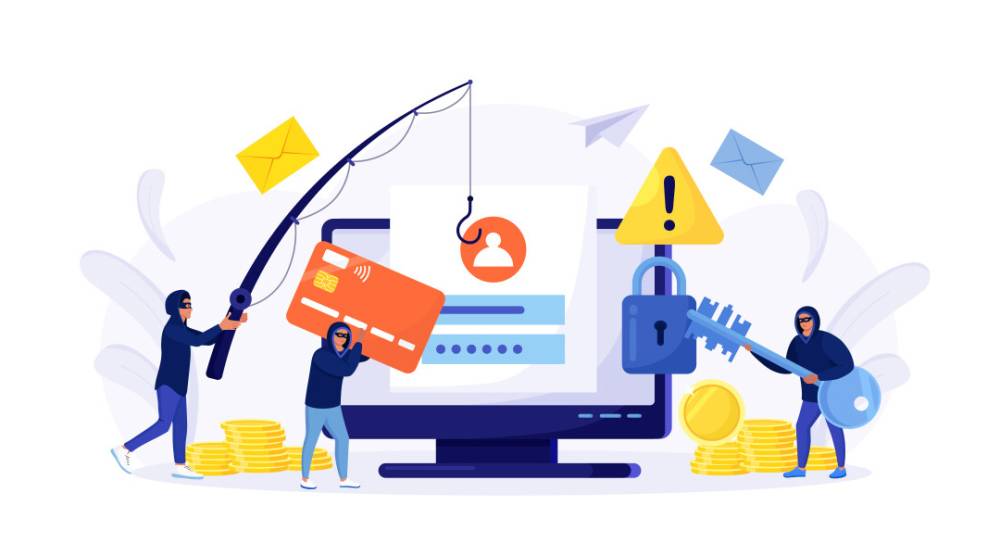
Phishing and spear phishing are two common types of cyberattacks used to steal sensitive information, but they differ in their approach and targets. Understanding these differences is essential to protect yourself and your organization.
What Is Phishing?
Phishing is a broad, generalized attack where attackers send fraudulent emails, messages, or links to a large number of people. The goal is to trick victims into:
- Clicking on malicious links.
- Downloading malware.
- Sharing personal or financial information.
Key Traits of Phishing:
- Mass-targeted.
- Generic messages like "Your account has been compromised."
- Often impersonates well-known companies like banks or social media platforms.
What Is Spear Phishing?
Spear phishing, on the other hand, is a targeted attack aimed at a specific individual, group, or organization. Attackers research their victims to create convincing, personalized messages.
Key Traits of Spear Phishing:
- Targets a specific person or organization.
- Highly customized content, often using personal details (name, job title, etc.).
- Appears to come from a trusted source, like a colleague or manager.
Why Spear Phishing Is More Dangerous
Spear phishing is more effective because of its tailored nature. Attackers leverage publicly available information, such as social media profiles or company directories, to craft believable messages. Victims are less likely to recognize these as scams.
How to Protect Yourself
- Verify Emails and Messages: Check the sender’s address and avoid clicking links without verification.
- Use Two-Factor Authentication (2FA): Adds an extra layer of security to your accounts.
- Educate Yourself and Your Team: Regular cybersecurity training can help identify phishing and spear phishing attempts.
- Be Cautious with Information Sharing: Limit the amount of personal and professional information you share online.
- Use Security Software: Antivirus and email filtering solutions can block phishing emails.
Phishing and spear phishing rely on human error. Staying alert and skeptical of unsolicited communications can help you avoid becoming a victim.