Messaging spam has already changed dramatically since 2023–2025.
1. AI bots write natural, emotionally intelligent messages in dozens of languages.
2. Accounts that have been either compromised or bought will join both Public and Semi-Public groups without the user having any involvement on their behalf such as; WhatsApp, Telegram, Discord, Viber, Signal (when public links have been shared with others), and Facebook Messenger groups.
3. An infected device is able to send up to hundreds of spam messages to contacts and also Auto-join new groups at a much higher rate than they would without being compromised.
4. Most common payloads in 2026: phishing links, fake investment “opportunities”, romance bait leading to crypto scams, “ClickFix” style commands, gift-card refund hybrids, and banking trojan droppers.
What Is Already Happening in 2026 – Realistic Outlook This Year
1. Fully Autonomous Spam Agents Single AI “spam agent” handles the entire lifecycle:
a) Joins groups via public links or scraped invite codes
b) Reads group chat to mimic tone/context (“Hey everyone, I saw someone talking about crypto…”)
c) Personalizes messages per recipient using profile data
d) Switches personas mid-conversation if challenged
e) Auto-responds to replies 24/7
f) Self-propagates: sends itself to new contacts/groups
2. Voice & Short Video Deepfake Spam
a) Deepfake voice messages are becoming increasingly popular on WhatsApp and Telegram for sending voice messages that last between 5 and 15 seconds in duration.
b) As an example this could be: “Hey, [childs name], its Grandma. I need your assistance, please. Can you please obtain some gift cards for me?” (Example of using 10 - 20 seconds of recorded public video or audio from social media to create the voice cloning).
c) Short deepfake video clips in group statuses or video messages are appearing in targeted campaigns.
3. Automated Jump + Swarming Behavior
a) Send invite links between groups of bots, creating multiple false accounts.
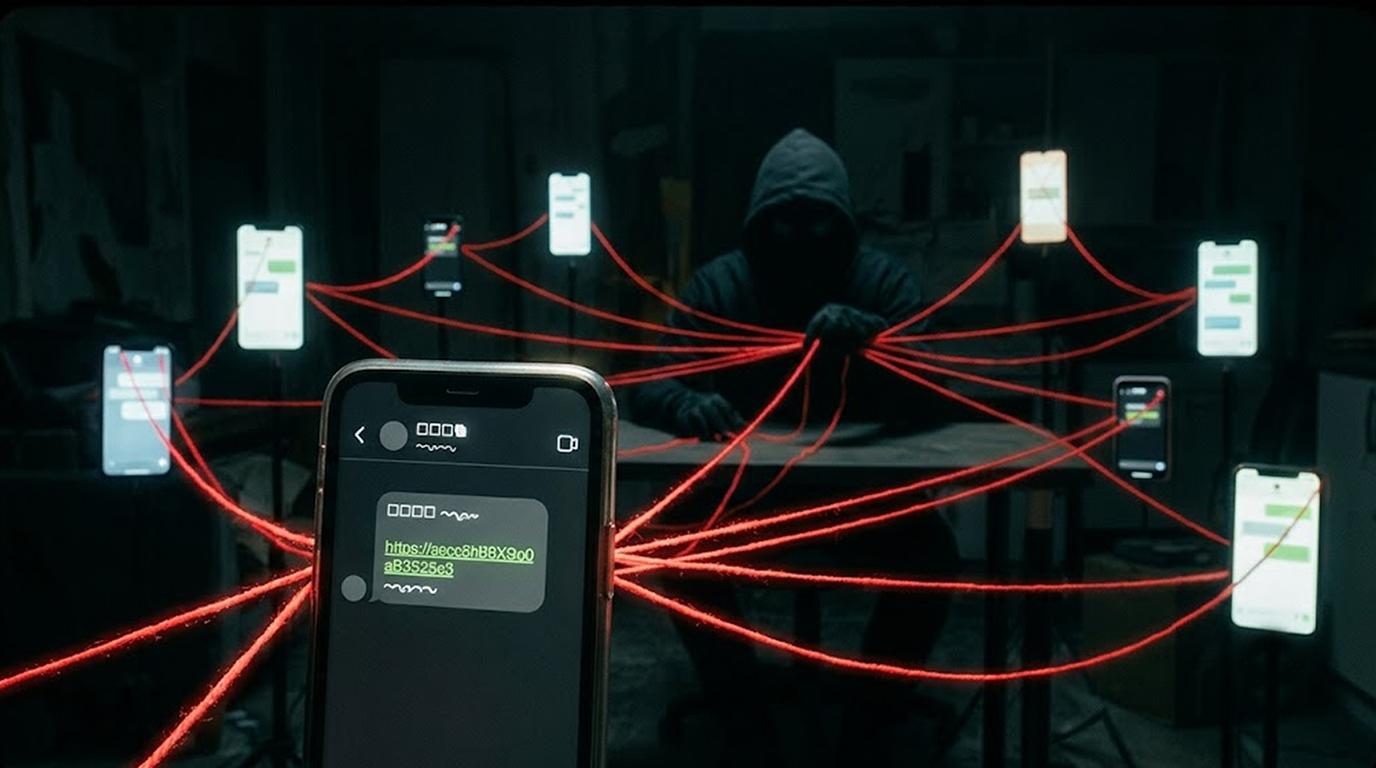
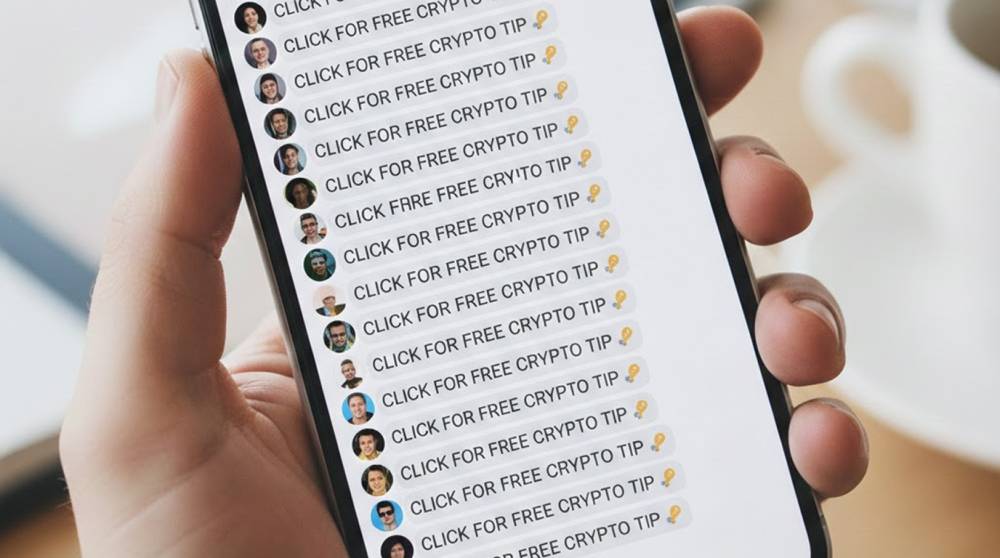
b) Swarm messaging: the same link is posted from 50+ bots at different times, making it appear to come from multiple sources.
c) Continued operation of bots will continue after one has been banned, inviting new clones.
4. Cross-Platform Relay Attacks
a) Telegram first -> then redirect Telegram spam to WhatsApp -> with goal of gaining access to an account by SMS OTP phishing or fake banking app install.
b) The AI will use the device/OS to determine the optimal attack vector.
5. Human-like delays and typing
a) Bots give users the impression of being human by mimicking real typing indicators, read receipts and creating random delays in conversations to create an illusion that it was not an immediate conversation.
Realistic 2026 Scenarios (Already Observed Patterns)
1. Teen gamer scenario Discord group gets flooded with “free Nitro” bots → one teen clicks → account stolen → bot uses his profile to spam his friends list.
2. School Parent WhatsApp Group receiving "school fee update" link → AI voice note from Principal → Deepfake video call requesting emergency payment using gift cards.
3. Small Business Owner Telegram Entrepreneur Channel auto-joining dozens of fake "mentors" → personalized investment pitch → Trojan installed via "investment app" link.
Ways to protect yourself practically
1. Turn off auto-joining groups: in WhatsApp/Telegram settings turn off "approve new members" and/or restrict group to be private.
2. Mute messages from unknown senders by default in WhatsApp: Privacy; Messages from unknown → mute notifications.
3. Do not believe voice requests/video requests for money or codes: hang up and call back on a known number.
4. Use a secondary method of verification: have a family code word for urgent calls (i.e., “pineapple = it’s really me.”
5. Limit exposure of members to public groups; do not publicly share invite links to public groups; regularly review who is in groups.
6. Be aggressive about reporting: report spam in-app, block, report to platform Trust and Safety Teams.
7. Use security on endpoints: keep mobile security (Play Protect, 3rd Party antivirus) activated + do not side-load APKs.
Key Takeaways
As of 2026, automated AI agents dominate spam by joining groups without real people, perfectly imitating them, and chaining attacks across multiple platforms. The weakest part of this situation is the human element (trust in the voice/video, trust due to urgency, group membership), while the two most effective defenses are to create private groups and never trust unsolicited money/code requests.
Always verify any unsolicited urgent calls through a different channel. Make an effort to educate children and adults about these habits so that they have a habit of thinking/pausing to verify. They will be much harder to manipulate and scam.