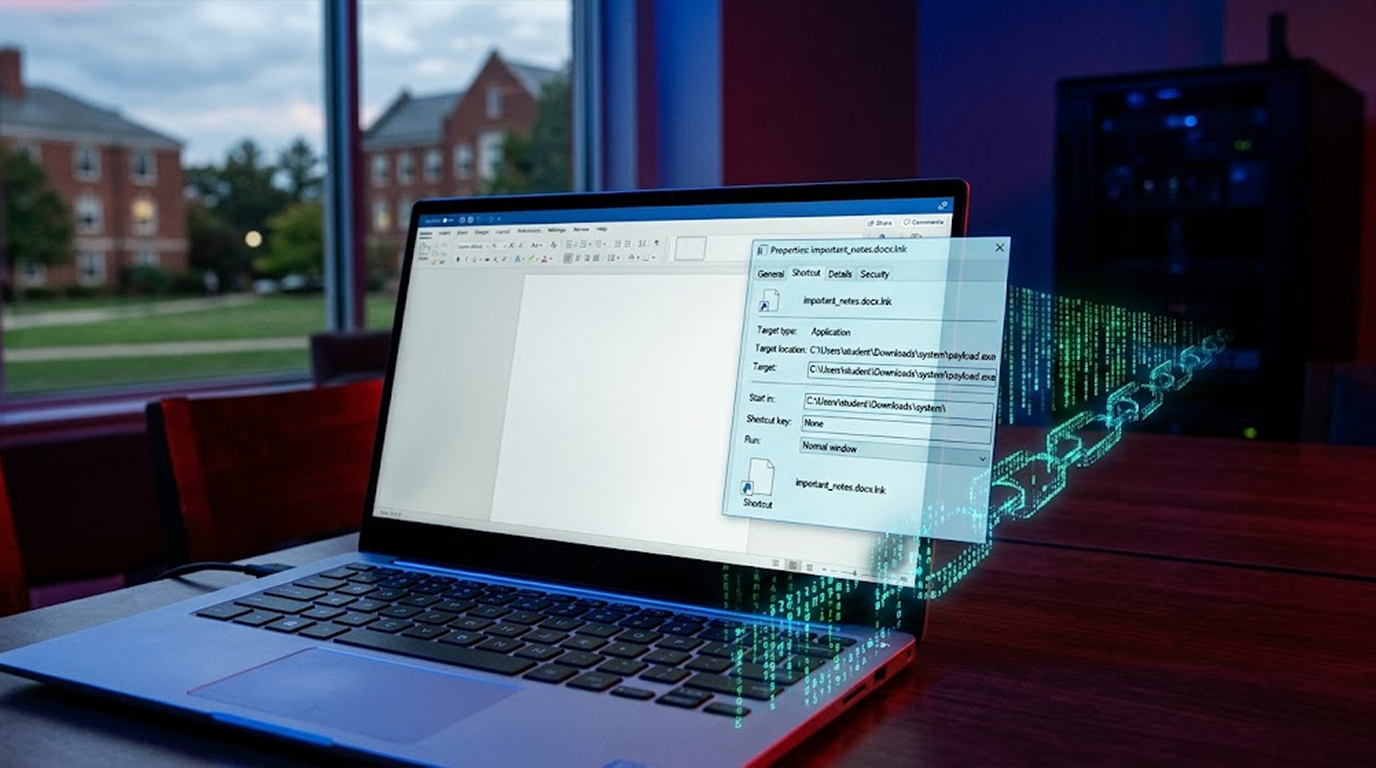
Here we go again. Another week, another zero-day in Microsoft Defender. Security researcher Chaotic Eclipse just dropped a proof-of-concept exploit for a vulnerability he's calling ShieldCrash.
The annoying part? Microsoft thought they already fixed this.
Back in August, the researcher disclosed ShieldBreak, tracked as CVE-2026-69414. Microsoft pushed out a patch and everyone assumed the issue was closed. But according to Chaotic Eclipse, the fix missed something. Under specific conditions, the same underlying flaw can still be triggered.
Let me explain what's going on.
Quick Summary
|
What |
Details |
|
Vulnerability |
ShieldCrash (CVE-2026-69414 patch bypass) |
|
Impact |
Arbitrary file read as SYSTEM |
|
Affected Systems |
All supported Windows versions |
|
Status |
Unpatched zero-day |
|
Researcher |
Chaotic Eclipse (aka Nightmare Eclipse) |
The Never-Ending Defender Saga
If you've been following Windows security news, this probably sounds familiar. Chaotic Eclipse has been on a tear lately, dropping exploit after exploit for Microsoft Defender vulnerabilities.
It started with RoguePlanet back in June. Then came ShieldBreak in August. Now we've got ShieldCrash. It's like a bad sequel that keeps getting made.
The Timeline:
- RoguePlanet (CVE-2026-50656) – Original flaw disclosed in June
- ShieldBreak (CVE-2026-69414) – Patch bypass for RoguePlanet, disclosed in August
- ShieldCrash – Patch bypass for ShieldBreak, disclosed now
The researcher put it bluntly: "Microsoft has failed to properly patch ShieldBreak CVE-2026-69414. Under specific conditions it is still possible to trigger the exact same problem that was caused by ShieldBreak."
Translation: Microsoft's patch fixed some things, but not everything. There's still a way in.
What ShieldCrash Actually Does
The ShieldCrash exploit demonstrates an arbitrary file read with SYSTEM privileges on the latest version of Windows. That means any file on your system; passwords, documents, system files, could be accessed by someone running this exploit.
How Bad Is It?
- SYSTEM is the highest privilege level on Windows
- The exploit works on fully updated systems
- All supported Windows versions are affected
Right now, the proof-of-concept only demonstrates file reading. The researcher says it's a "skeleton" PoC for now. But he's hinted that it could be developed further into a full SYSTEM exploit with write capabilities.
The Researcher Behind It
Chaotic Eclipse isn't exactly a fan of Microsoft's bug bounty program. He's been in an ongoing dispute with the company over how they handle vulnerability disclosures. The situation has gotten pretty tense. Microsoft even issued a warning about "malicious activity causing real harm" to customers, which many people interpreted as a threat directed at the researcher.
Since April, Chaotic Eclipse has disclosed a long list of Windows zero-days:
- RoguePlanet
- ShieldBreak
- LegacyHive
- BlueHammer
- RedSun
- YellowKey
- GreenPlasma
- MiniPlasma
- UnDefend
- ShieldCrash
That's a lot of vulnerabilities in a short time.
What This Means for You
The Risks:
- Attackers could read any file on your system
- This includes passwords, documents, and sensitive system data
- Fully updated Windows systems are vulnerable
The Reality:
Microsoft keeps patching. The researcher keeps finding ways around the patches. It's been a back-and-forth game for months, and there's no clear end in sight.
Microsoft's Position:
The company recommends keeping malware definitions and the Malware Protection Engine updated automatically. They patched ShieldBreak in version 1.1.26080.3. But ShieldCrash bypasses that patch.
What You Can Do
1. Keep All Things Up-to-Date
Even though it is incomplete, the patch is better than nothing. Update all things related to Windows and Defender.
2. Look for Any Suspected Activity
It is necessary to observe any suspected file access activity directed at your computer. ShieldCrash has a random way of accessing files.
3. Do Not Execute Any Code From Untrusted Sources
The exploit requires code execution to be carried out successfully.
4. Think About Extra Measures of Safety
EDR systems can help you detect any unusual activities that might be overlooked by Defender.
The Bottom Line
Microsoft's Defender patch didn't fully fix the problem. ShieldCrash proves that CVE-2026-69414 can still be exploited under certain conditions. The vulnerability allows arbitrary file reads as SYSTEM on fully updated Windows systems.
What You Need to Know:
|
Key Point |
Detail |
|
Vulnerability |
ShieldCrash (CVE-2026-69414 patch bypass) |
|
Impact |
Arbitrary file read as SYSTEM |
|
Affected Systems |
Windows 10, 11, Server (all supported) |
|
Status |
Unpatched zero-day |
|
Researcher |
Chaotic Eclipse (aka Nightmare Eclipse) |
What You Need to Do:
- Ensure Windows and Defender Are Up-to-date
- Be wary of file access attempts
- Be careful executing unfamiliar code
- Consider securing further
FAQ Section
What is ShieldCrash?
A proof-of-concept exploit for a Microsoft Defender zero-day that bypasses the patch for CVE-2026-69414 (ShieldBreak). It allows arbitrary file reads as SYSTEM on fully updated Windows systems.
What's the difference between ShieldBreak and ShieldCrash?
ShieldBreak was the original zero-day (CVE-2026-69414) that Microsoft patched. ShieldCrash is a patch bypass, it exploits the same underlying vulnerability under specific conditions that Microsoft missed.
What versions of Windows are affected?
All Windows 10, Windows 11, and Windows Server releases are affected, including those which have already received security patches for September 2026.
Is a patch available?
No. While Microsoft patched ShieldBreak, ShieldCrash bypasses the patch.
What is to be done?
Remember to patch your system, watch out for unusual file access and be careful when running any code.