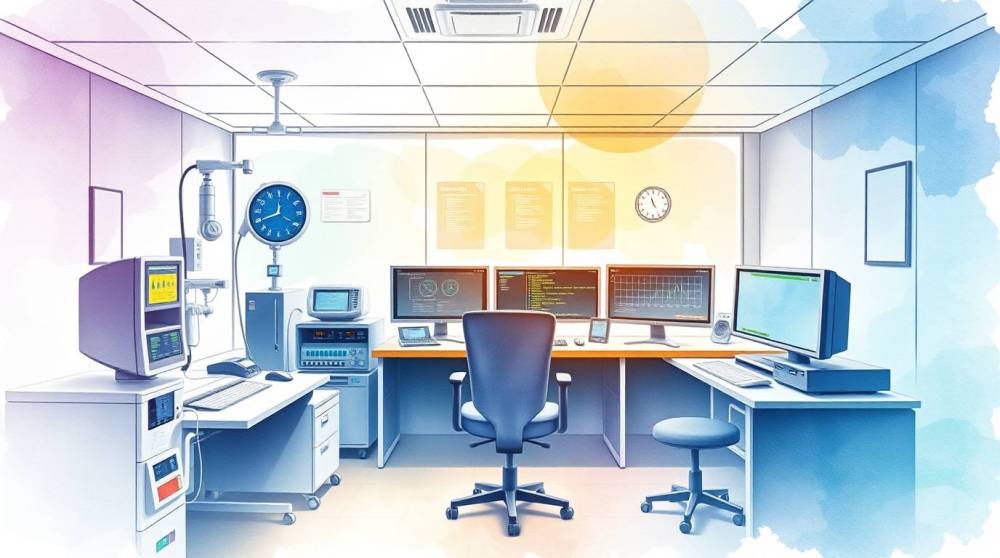
Healthcare systems don’t get attacked because they’re special. They get attacked because they’re busy, complex, and hard to shut down.
Hospitals can’t pause operations to patch a server. Clinics can’t delay care because a system needs maintenance. Attackers know this, and they take advantage of it.
Why Healthcare Is a Reliable Target
Healthcare environments share a few realities attackers look for:
1. Systems that must stay online
2. Legacy software tied to medical devices
3. Large numbers of users with different access levels
4. Sensitive data that can’t be easily replaced
When uptime matters more than updates, risk quietly accumulates.
What “Exploited in the Wild” Usually Looks Like
Most real-world healthcare breaches don’t start with advanced techniques.
They often begin with:
1. Phishing emails to staff
2. Exposed remote access services
3. Unpatched systems
4. Weak or reused credentials
Once access is gained, attackers move carefully. Loud attacks attract attention. Quiet ones last longer.
Ransomware Is the Most Visible Outcome
Ransomware dominates headlines, but it’s usually the final step.
Before encryption happens, attackers often:
1. Map the internal network
2. Identify backup systems
3. Steal sensitive data
4. Disable recovery options
By the time systems lock up, the real damage has already been done.
Medical Devices Expand the Attack Surface
Many medical devices run older operating systems and can’t be easily updated.
Common issues include:
1. Hardcoded credentials
2. Unsupported software
3. Flat network placement
4. Limited logging or monitoring
The delay in detecting an attack is primarily due to several unique factors healthcare security teams have to deal with:
1. Healthcare alerts are often masked by the noise created by the normal operation of a system.
2. Employees work different hours and in different locations throughout the week
3. Third-party vendors can access an organization's critical infrastructure.
4. Critical incident response activities compete with the delivery of patient care. Attackers will take advantage of the time it takes to respond and attempt to penetrate further into an organization's systems.
What Actually Reduces Risk
Organizations that improve resilience tend to focus on:
1. Strong email filtering and staff awareness
2. Segmentation between medical devices and core systems
3. Controlled remote access
4. Regular testing of backup and recovery processes
5. Clear incident response roles
None of this stops care delivery. It just reduces blast radius.
Healthcare systems aren’t exploited because teams don’t care about security. They’re exploited because patient care comes first and attackers count on that.