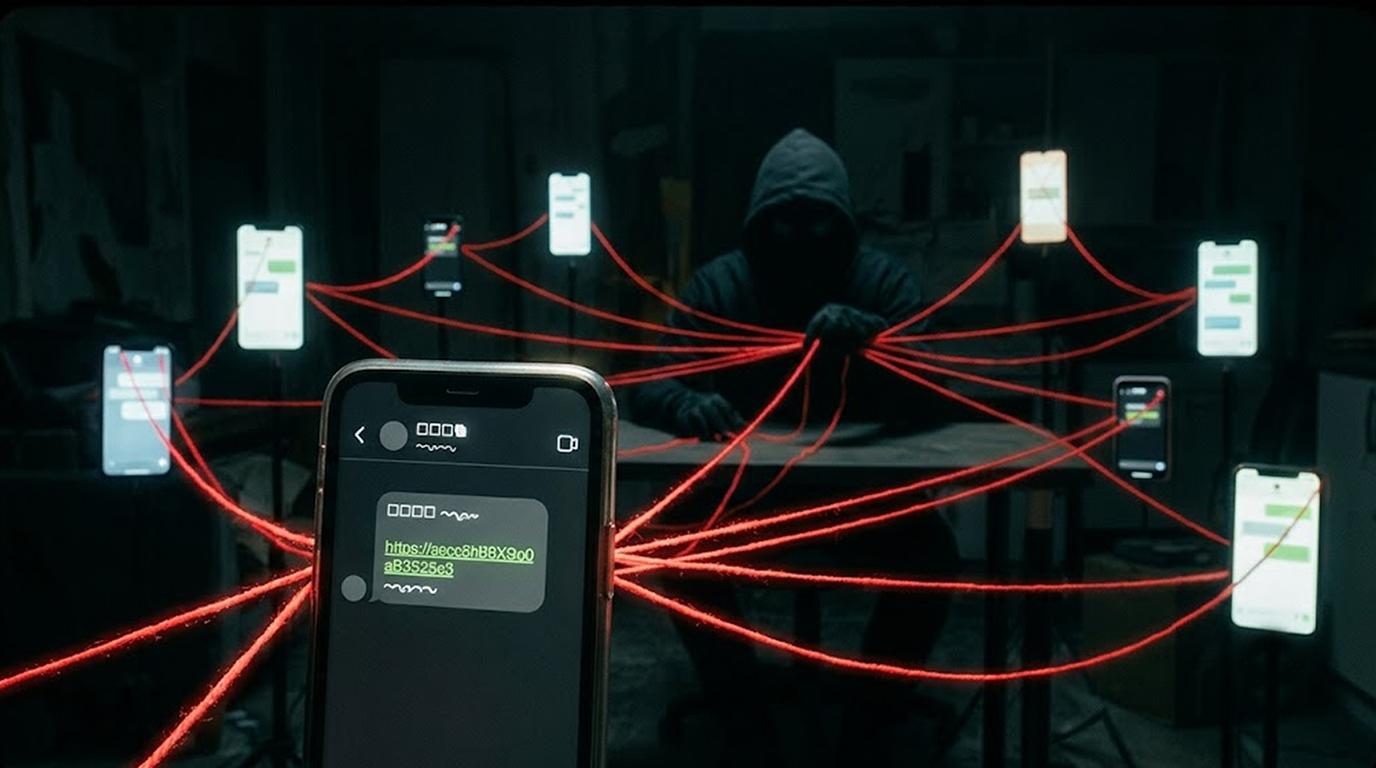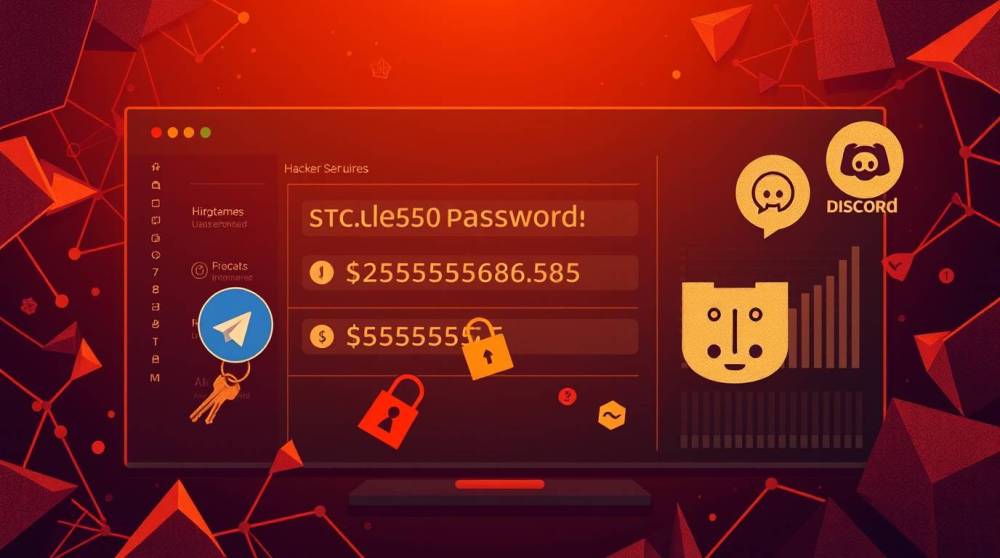
Cybercrime keeps shifting, and the latest shift is quiet but sharp. A new market has formed on Telegram and Discord where developers rent out small programs called stealers. These tools grab browser passwords, session tokens, autofill data, and wallet keys in a few seconds. The whole thing works like a subscription plan. A person pays a weekly fee and gets access to a dashboard, logs, updates, and support.
This model first appeared around 2022. It grew fast because it removed the hard parts. A person no longer needs coding skill. They only need a way to send a link or build a fake file. The service handles the rest. Some groups charge 20 to 150 dollars a month. A few even run lifetime packages. Most of them hide behind usernames instead of names. They switch channels often. They move from one server to another so they stay out of sight.
A typical stealer kit comes with three pieces. The first is a builder. It creates a small binary that runs on Windows or Linux. The second is a control panel. It collects logs and lists them by victim, date, or browser type. The third is a spread guide that explains how to lure targets. The guides use simple steps. They push phishing pages, fake game mods, cracked tools, and coupon codes. These tricks work because they look harmless at first glance.
Telegram plays a key role because it supports large groups and quick file drops. It also allows anonymous accounts. Discord plays a similar role. It gives sellers a quick way to post updates and send support messages. Some sellers use bots to deliver logs. When a target runs a stealer, the bot sends the data back within seconds.
The biggest change is how fast this market adapts. When Chrome changed how it stored passwords in mid-2024, several services patched their code in less than a day. When wallet extensions updated their encryption, new bypasses appeared within a week. This speed shows how organized these groups have become. They run small businesses disguised as “shops” and “services.”
Defense starts with a few clear steps. First, stop unsigned executables at the endpoint. Then block Telegram and Discord file delivery if the business does not need them. Watch for sudden browser profile exports. They often appear right before a stealer tries to read saved data. Teach staff to avoid “free Nitro,” “cracked tools,” and “boost codes.” These items are used in most of the active campaigns running now.
Stealer-as-a-Service will not slow down soon. It lowers the barrier for crime and widens the attack surface. The best response is simple: reduce places where unknown files enter, limit where data can leave, and track the tools that thrive on fast updates and low prices.