A South Korea-aligned threat actor, APT-C-60, has been linked to a cyber espionage attack targeting an unnamed organization in Japan. The attackers used a job application-themed phishing email to deliver the SpyGlace backdoor, exploiting legitimate services like Google Drive, Bitbucket, and StatCounter.
The attack, which occurred in August 2024, is part of a broader trend of cyberattacks leveraging innovative methods to evade detection, as reported by JPCERT/CC.
Attack Chain Details
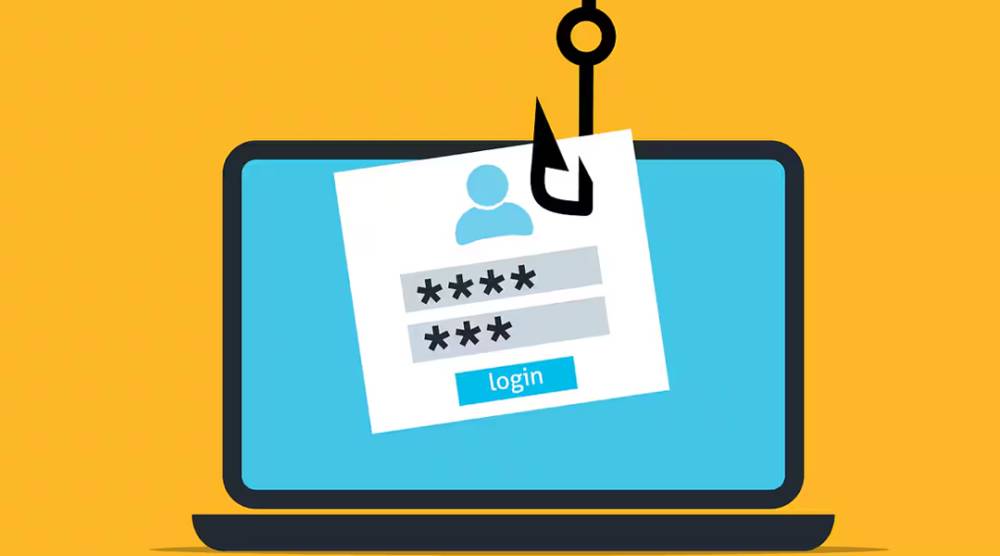
The attack began with a phishing email masquerading as a job applicant. It contained a link to a file hosted on Google Drive, which led to the download of a VHDX file. Once mounted, the file included:
- A decoy document.
- A malicious Windows shortcut (Self-Introduction.lnk).
The LNK file triggered a series of steps in the infection chain, displaying the decoy document as a distraction while deploying a downloader payload named SecureBootUEFI.dat.
Techniques and Tools Used
- StatCounter: Used to transmit a unique victim identifier derived from device attributes like computer name, user name, and home directory.
- Bitbucket: Accessed with the encoded string to download additional payloads, including:
- Service.dat: Acts as a downloader and persistence mechanism via COM hijacking.
- Artifacts like cbmp.txt and icon.txt, renamed as cn.dat and sp.dat.
- SpyGlace Backdoor:
- Initiates communication with a command-and-control (C2) server (103.187.26[.]176).
- Capabilities include stealing files, executing commands, and loading plugins.
Broader Connections
The attack exploited a remote code execution (RCE) vulnerability in WPS Office for Windows (CVE-2024-7262). The campaign aligns with previous observations of APT-C-60 activity and hints at links with other sub-groups like APT-Q-12 (Pseudo Hunter) within the DarkHotel cluster.
Positive Technologies noted that attackers from Asia are increasingly using virtual disks (VHD/VHDX) to bypass protective mechanisms, a non-standard yet effective delivery method.
Mitigation Recommendations
To defend against attacks like these:
- Educate employees about phishing risks, especially recruitment-related scams.
- Use endpoint security solutions capable of detecting malicious shortcut files.
- Regularly update software and patch known vulnerabilities, such as CVE-2024-7262.
- Monitor for unauthorized access to services like Google Drive and Bitbucket.
This attack highlights the sophistication and persistence of regional threat groups like APT-C-60, leveraging legitimate services and advanced techniques to bypass defenses. Organizations should prioritize comprehensive cybersecurity measures to stay resilient against evolving threats.