This Message Is Everywhere
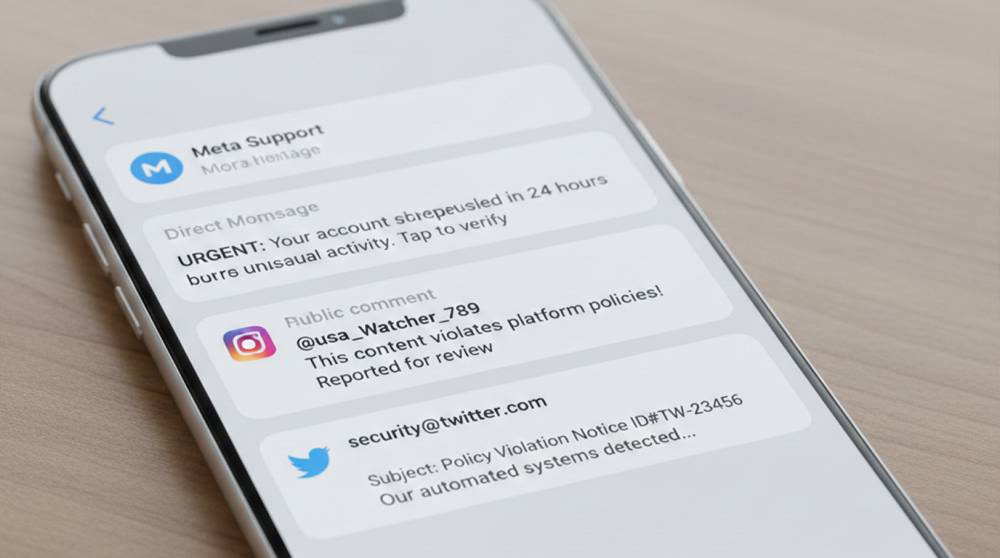
“Your account will be disabled.”
It shows up in inboxes, DMs, comments, and even ads.
Same message.
Different logo.
And despite how tired it looks, it keeps working.
Not because people panic, but because it sounds like routine platform noise.
Why This Scam Still Works
Social platforms really do disable accounts.
Pages get restricted.
Ads get paused.
Reach disappears without warning.
So when a message claims there’s a “policy issue,” it doesn’t feel suspicious.
It feels like admin work you didn’t ask for.
Attackers lean into that.
Example 1: Facebook Business Account Suspended
Message used:
“Your page violates Meta advertising policies. Confirm your account to avoid permanent suspension.”
Why it worked:
1. They already had advertising campaigns running (ACTIVE).
2. They included the phrase "ACTIVE CAMPAIGNS".
3. It sounded automated with no threatening tone.
What happened next:
1. Admin clicked the link
2. Loaded a fake META Support Page
3. Entered credentials
4. Ownership of Account was changed within minutes
After this theft was complete, the Page was still not disabled. Instead, the thieves now control it and is using the page to promote SCAM ADS.

Example 2: Instagram Account Recovery Scam
Message used:
“Your account is under review for violating community standards. Request verification to restore visibility.”
Why it worked:
1. The account recently saw engagement drops
2. The creators were already concerned about being shadow banned
3. The e-mail didn’t mention account deletion, only "limited reach".
Outcome:
1. Login details were stolen
2. Email and phone numbers were changed
3. Locked accounts in under an hour There were no malware or exploits detected.
Nothing more than a cloned login page.

Example 3: Comment-Based Scam under Business Posts
Instead of sending a private message to the victim, the perpetrator leaves a public comment. Below is an example from a real campaign:
“Your page may be unpublished soon due to violations. Please contact support immediately.”
Why it works:
1. Creating public pressure on the victim to act quickly.
2. Impression of being a warning from the system.
3. The ability of other users to see the comment and want to assist.
4. The victim will click simply so the comment goes away.

Example 4: A Fake Email Using The Name Of "Platform Security" For The Sender
The email indicates that your account may be restricted in the near future.
Highlights in the Body of the Email:
1. The email states that an automated review is the reason for this restriction.
2. The email does not specify what violation was committed.
3. The deadline for you to respond to this email is a very short time frame.
4. The email contains a phishing link to a "secure portal."
What happens:
1. Click on the link.
2. See a perfect clone of the actual login page.
3. Enter credentials and Multi-Factor Authentication (MFA) Code.
Attackers will immediately log in to the account while the victim's session is still active.

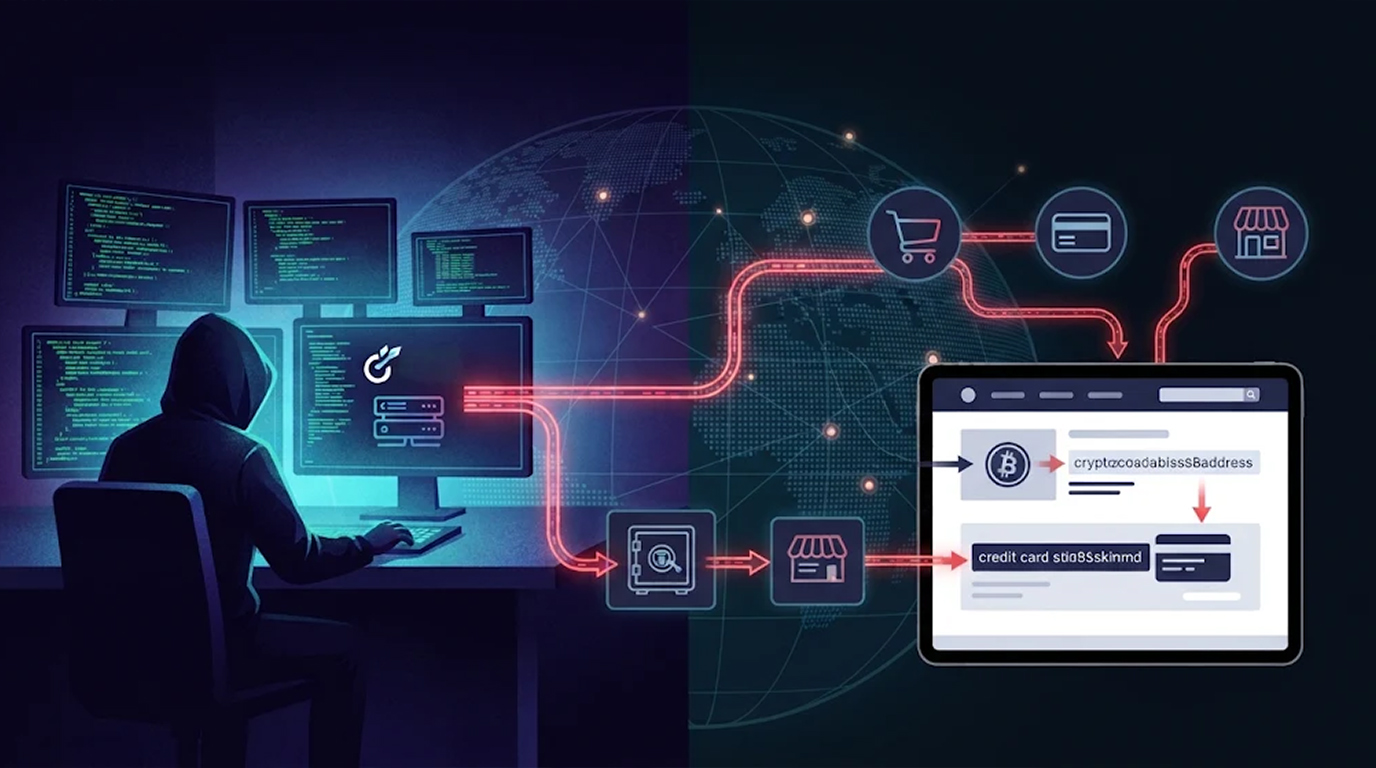
What Happens After Access
The attacker will take steps to protect their access immediately.
Typical actions taken:
1. Remove all original administrators from the account
2. Change recovery email address and phone number
3. Start advertising or running a cryptocurrency scam
4. Send messages to followers directing them to phishing links. Once the victim contacts support, the damage has already occurred!
Why These Scams Are Hard to Stop
Technically, nothing breaks.
1. Valid credentials
2. Normal logins
3. Approved actions
From the platform’s perspective,
the account owner is just making changes.
That’s why recovery is slow.
Practical Advice That Actually Helps
For individuals and businesses:
1. Never click account warnings in DMs or comments
2. Open platforms directly via saved bookmarks
3. Enable MFA and secure the recovery email
4. Limit the number of admins on pages
5. Treat social accounts like business systems
If it creates urgency but gives no details,
don’t click it.
A Simple Way to Think About It
These scams don’t threaten destruction.
They threaten interruption.
People click to get back to work.
Attackers count on that.
“Your account will be disabled” isn’t support.
It’s a script.
If a platform really needs you to act, you’ll see it after logging in, not through a message.