
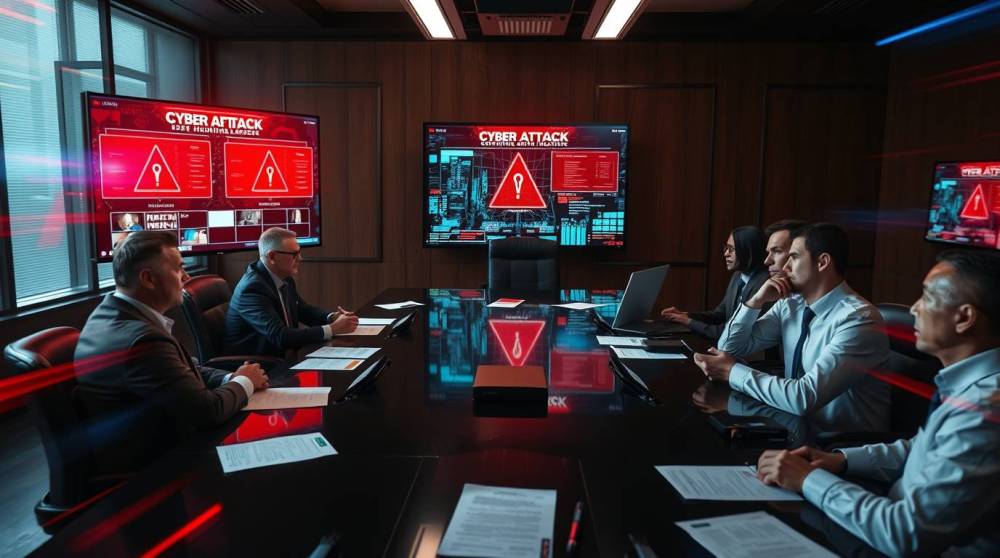
Look, boards are supposed to make decisions. Big ones. Strategic ones. But when a real cyber incident hits? Too often, they freeze. Or worse, they make decisions based on panic, gut feeling, or incomplete info. And honestly, it’s not always their fault.
Most executives never actually experience a live cyber attack. They see reports. They hear summaries. They nod. Maybe they even ask questions but they don’t feel the chaos. And crisis isn’t about dashboards, it’s about uncertainty, pressure, and split-second choices.
That’s why Red Team exercises for boards exist. They aren’t just “play pretend.” They’re simulations that put executives in the middle of a crisis, showing what happens when things go wrong fast. You’ll see hesitation, arguments over priorities, and confusion about who to call. And that’s exactly the point: boards need to experience that mess before it happens for real.
Why Boards Often Fail
1. No real-world experience: Most board members never practice crisis decisions under pressure. Reading reports isn’t the same as being in the room.
2. Communication breakdowns: When things get tense, messages get garbled. Roles aren’t clear. IT, legal, PR—they all need coordination, and that often fails.
3. Human nature: Fear, stress, overconfidence—they all cloud judgment. Even experienced executives can freeze.
4. Too detached from IT reality: Boards often rely on technical teams without fully understanding operational constraints or risk impacts.
How red teaming Helps
Red Team exercises simulate attacks like ransomware, insider threats, or phishing aimed at executives. They give the board:
1. Real pressure experience: Nothing like feeling the tension of a ticking breach.
2. Decision practice: Allocating resources, escalating, prioritizing—sometimes in seconds.
3. Communication drills: Learning to talk to IT, legal, and PR clearly and calmly.
4. Business impact clarity: Understanding what’s at stake—not just tech, but financial, reputational, and operational risks.
The point isn’t to embarrass anyone. It’s to show gaps, so the board can fix them before the real attack hits.
Cyber crises aren’t just about machines, they’re about people. Panic spreads faster than malware sometimes. A delayed decision, a miscommunication, or hesitation can make things worse. Red Teaming lets boards see that, live, in a controlled environment. And that experience is worth its weight in gold.
Boards fail not because they’re incompetent, they fail because they haven’t practiced. Red Team exercises fix that by putting them in realistic, high-pressure scenarios. Executives leave knowing what works, what doesn’t, and how to act when a real crisis hits.
Cybersecurity isn’t just an IT problem. It’s a leadership problem. And the leaders who practice under pressure are the ones who survive the next breach.