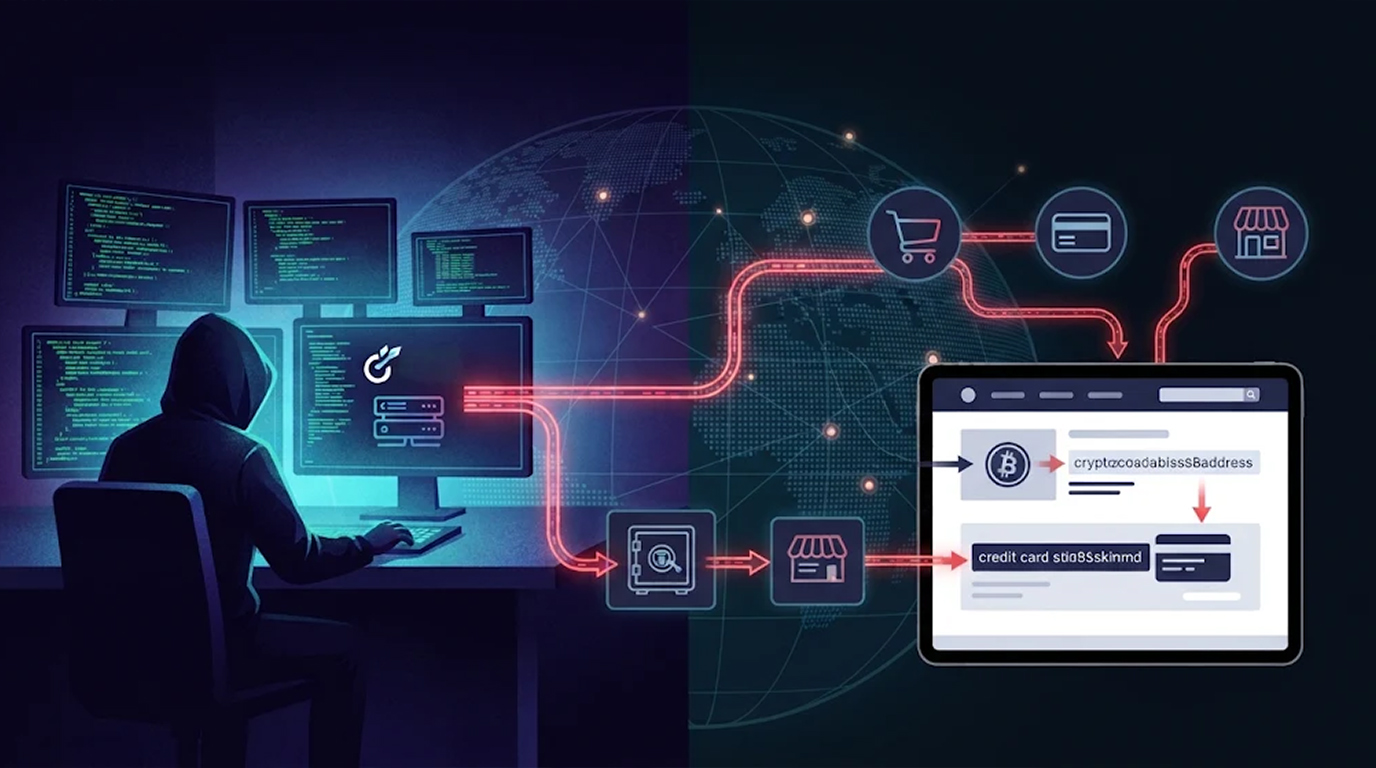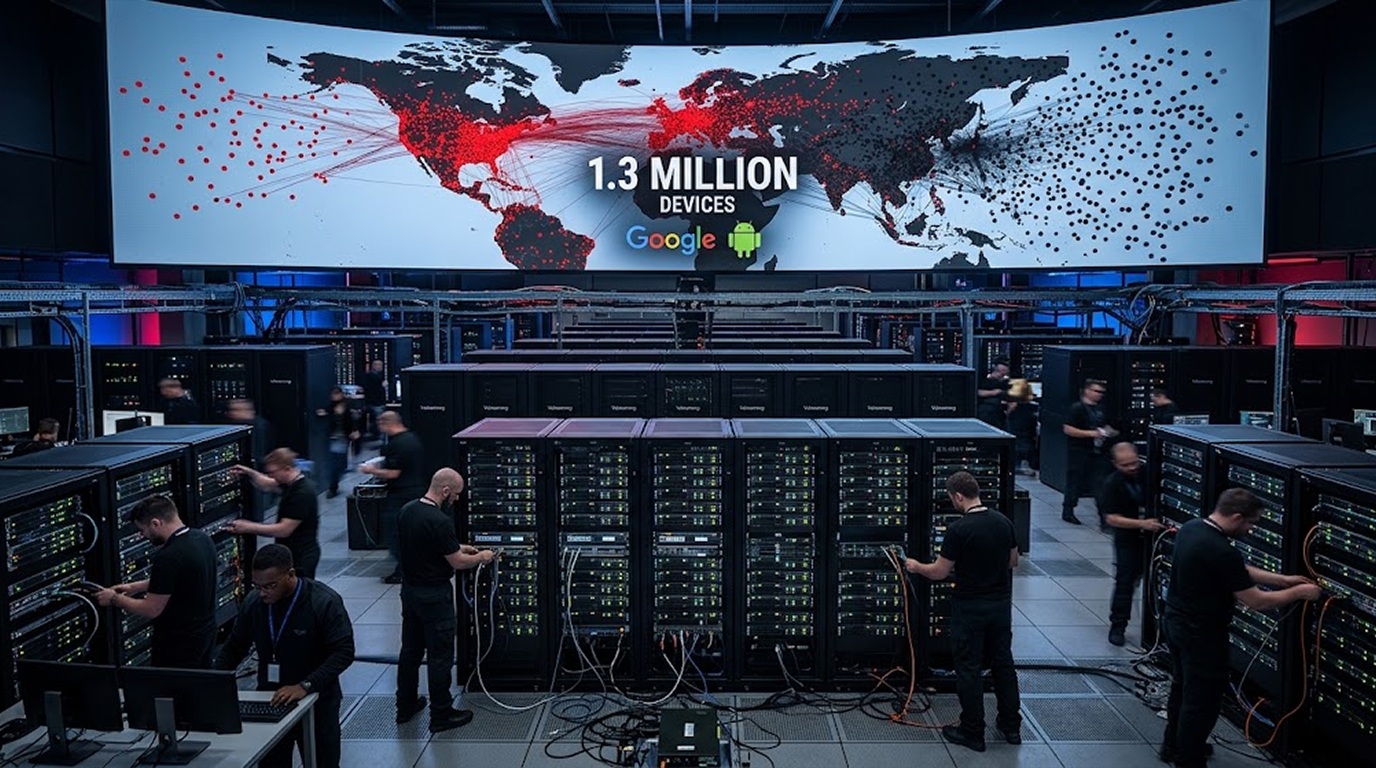
Google just took down the command servers for a botnet spanning more than 1.3 million Android devices, and the finding behind it is worse than a breach. Google says it is highly confident that the device maker put the backdoor in on purpose.
Videostrong, a Shenzhen-based manufacturer of Android TV boxes and other devices, built the backdoor into many models and brands over several years. Google does not believe a rogue insider or an honest mistake was to blame. The company's assessment is that Videostrong intentionally sold access to criminals.
The backdoor is called x.cpe. It is still on the boxes. Owners cannot remove it themselves.
What the Backdoor Actually Did
x.cpe runs as a system app inside the firmware, with system-level access. It reports to the botnet's command-and-control servers and waits for orders.
To install software silently, it first turns off the app checks in Google Play Protect. That is Android's built-in security feature. The backdoor disables it.
From there, the operators could install apps without the owner knowing, run commands, capture the screen, and map the network the box sits on.
Google says it observed Videostrong's operators using some of those powers directly. They took live screenshots, sent keystrokes, copied account details, device information, app lists, and system logs, and opened reverse shells that gave a remote command line into the box.
Most of the criminal modules loaded through the backdoor turned the boxes into residential proxies or sold their spare bandwidth. A residential proxy service sells access to a home internet connection, so a customer's traffic appears to come from an ordinary household. Other modules faked views of online ads.
How Wide the Infection Went
TrendAI, Trend Micro's enterprise business unit, counted 1,472,554 infected devices across 206 models between June 3 and October 1. The real number is at least that high.
Most are Android TV set-top boxes, but the backdoor also turned up on telehealth devices, karaoke machines, and digital signage.
|
Region |
Approximate Infected Devices |
|
Malaysia, Brazil, Iraq, Mexico, Taiwan |
Highest concentration |
|
United States |
26,000 to 42,000 |
|
Germany |
26,000 to 42,000 |
|
United Kingdom |
26,000 to 42,000 |
|
Australia |
26,000 to 42,000 |
|
Canada |
26,000 to 42,000 |
The Takedown
Google used legal action to take down the domains and servers that controlled the botnet. It also took down the control domains of more than a dozen malware families loaded through the backdoor.
Japan's National Police Agency, Lumen, HUMAN Security, Plume, Synthient, and TrendAI worked with Google on the operation.
Because the criminals behind that malware also spread it through other channels, Google expects the action to cut off their access to at least 10 million more infected devices. It warns that backdoor operators and the criminals who buy from them quickly switch to new tools when one part of their setup is disrupted.
Google has also cut ties with Videostrong. The company is banned, along with any future subsidiaries or affiliates, from building or selling certified Android devices and from supplying software to other certified device makers.
How Videostrong Was Identified
In Google's account, x.cpe passes settings from the C2 server to other Videostrong apps, including its YokaTV Player streaming app. One of the GitHub accounts that hosted the botnet's packages is named yf-videostrong.
Synthient, which worked with Google, also concluded with high confidence that Videostrong runs the operation. It points to a document signed by Videostrong's research and development director in an open folder on one of the botnet's servers, and to a Videostrong web domain that shares an IP address with the operators' control panel.
Plume found that Videostrong supplies both the firmware for these devices and tools to manage them remotely.
The Certification Gap
Google requires device makers to pass a set of compatibility and security tests. It says Videostrong hid its code to bypass a gap in those tests and loaded the malicious code after a device's first boot.
Google has changed its review process and is improving its checks of firmware on certified Android TV devices.
As of November 2, Videostrong's own website still listed products it calls "Google Certified Android TV Box" and "Google Certified Android TV Stick."
Plume says the botnet included both Google-certified devices and devices running the Android Open Source Project version. Google's report does not say how many certified devices were affected.
What Owners Can Actually Do
Here is the hard part. x.cpe is part of the firmware. Removing it does not stick, because it reinstalls itself when the box restarts. TrendAI says it runs as a system app signed with the maker's key, so cleanup requires vendor action, platform protection, or replacing the device.
Synthient has published a list of 182 device model names seen in the campaign, with the caveat that a model name alone does not confirm infection. Its report focuses on MECOOL-branded boxes, which it links to Videostrong. It bought a MECOOL KM9PRO Max and found the backdoor preinstalled.
Plume recommends a full factory reset, because the modules may have installed additional backdoors, but it does not say whether a reset removes x.cpe itself.
Synthient goes further. It tells consumers to throw the boxes away for good, because they pose a high risk of malware.
For organizations, Synthient recommends:
- Use its published indicators to find MECOOL or similar devices on the network.
- Disconnect and dispose of any that turn up.
- Block the control domains and IP addresses its report lists.
- Keep other smart devices on separate network segments, away from sensitive systems.
TrendAI advises companies with remote staff to treat unmanaged consumer devices on home networks as part of their attack surface, and to keep corporate access behind managed devices.
FAQ
What is the Videostrong backdoor?
It is a system-level backdoor called x.cpe that ships inside Videostrong firmware. It allows remote operators to install apps, run commands, capture screens, and open reverse shells on Android TV boxes and similar devices.
Did Videostrong do this on purpose?
Google says it is highly confident Videostrong intentionally built the backdoor and sold access to criminals. It does not believe a rogue insider or a coding mistake was responsible.
Is my Android TV box infected?
Synthient published a list of 182 device model names seen in the campaign, but a model name alone is not confirmation. MECOOL-branded boxes are the focus of its report, and it found the backdoor preinstalled on a MECOOL KM9PRO Max it purchased.
Can I just factory reset the box?
Plume recommends a factory reset because the modules may have installed additional backdoors, but it does not say whether a reset removes x.cpe itself. TrendAI says the backdoor is signed with the maker's key and needs vendor action, platform protection, or device replacement.
What should I do with an infected box?
Synthient tells consumers to throw the boxes away. For organizations, it recommends disconnecting and disposing of any affected devices, blocking the control domains, and keeping other smart devices on separate network segments.
Is Google doing anything about it?
Google took legal action to seize the botnet's control servers and domains, banned Videostrong from building or selling certified Android devices, and has changed its review process to close the certification gap that allowed the malicious code to load after first boot.