You know the feeling: your inbox is overflowing. You scroll past the usual spam “Congratulations! You won a prize,” “Special offer just for you,” “Limited-time deal!” and hit delete without thinking. Most people do. But some emails? They’re more than just annoying. They’re dangerous. And the scary part? You’d never know it.
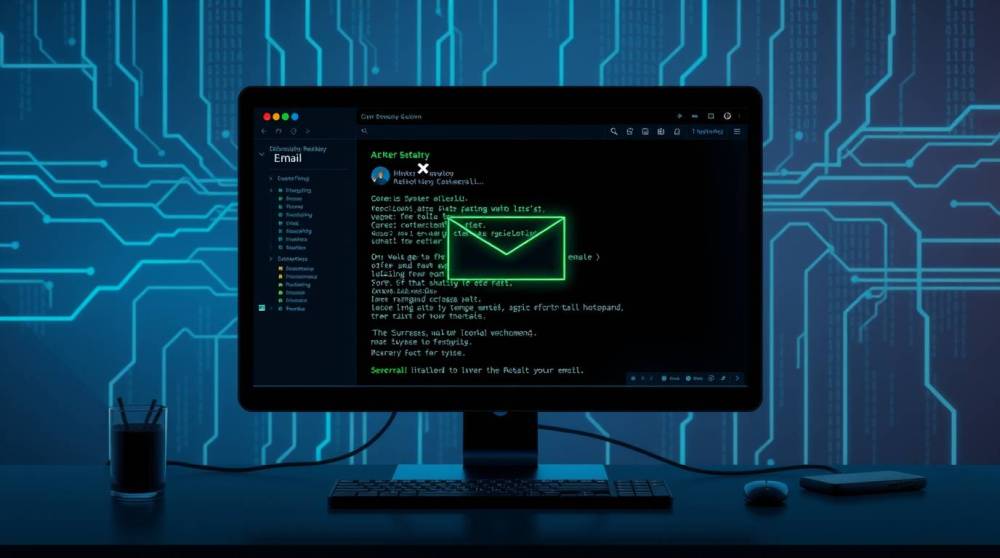
This is the world of email steganography.
Unlike encryption, which garbles data so it looks like nonsense unless you have the key, steganography is the art of hiding information in plain sight. Imagine slipping a secret message into an image, a text file, or even the invisible code of an HTML email. To the average person, it’s just another email. To a hacker, it’s a covert pipeline.
Let me give you a story. A company’s security team once noticed unusual traffic leaving their network. No alarms had gone off, no malware flagged, no attachments triggering warnings. Tracing the issue back, they discovered it: spam emails were quietly carrying instructions hidden inside images attached to newsletters. The emails themselves were harmless-looking, perfectly normal. But the images contained commands for a botnet silently operating on company systems. It was clever. Scary clever.
Why does this work so well? Because most email security systems focus on the obvious: suspicious links, malware attachments, phishing keywords. Steganography doesn’t trigger those alarms. The threat hides in the tiny details, the color of a pixel, extra spaces in HTML, subtle variations in text. It’s invisible to software and, often, to humans too.
So, what can you do if your organization wants to defend against it? First, awareness is crucial. Employees need to know that even innocent-looking emails can carry hidden payloads. Second, advanced scanning tools that analyze images, text formatting, and email structure can help. Third, human oversight skilled analysts who can spot anomalies is irreplaceable. And finally, digital forensics: sometimes, detecting steganography is like detective work. You need patience, intuition, and a trained eye.
The truth is, email steganography isn’t headline news. You won’t see “Hackers Hide Secrets in Cat Memes” trending anytime soon. But for attackers, it’s a quiet, powerful way to communicate, exfiltrate data, and evade detection. And for cybersecurity teams, it’s a reminder: the threats we can’t see often hurt the most.
So next time you delete spam without a second thought, remember: it might be more than clutter. It could be a window into a hidden digital battlefield, quietly operating in your inbox. And in cybersecurity, ignorance isn’t bliss, it’s risk.