In 2026, "Sponge" file manipulation is an evolution of malware that has become increasingly prevalent and dangerous. Unlike traditional ransomware, which loudly encrypts files and demands quick payment, and wipers, which destroy files immediately, sponge-type threats work silently and slowly pull (i.e., copy) data in chunks while also corrupting them in ways that aren't detected until it is too late.
This type of technique is extremely dangerous because it allows the perpetrator to commit data theft and silently destroy data over time and leaves the victim unsure whether they are dealing with a data breach or a data corruption or both.
How Sponge File Manipulation Works
The attack follows a planned pattern of attack that will allow an adversary to carry out their activities without drawing the attention of a security team using a low-and-slow method of operation:
1. Initial Access and Reconnaissance, the cybercriminal will attempt to gain access to the network through means such as phishing, compromised credentials, or compromise of the supply chain. Once they have gained access, the malware will begin to map the file system to find and collect high-value folders: docs, databases, source code repositories, config files, and backups.
2. Silent Accumulation, during this phase, the malware will begin making copies of the target files and exfiltrating them out of the network using small random amounts to avoid raising DLP (data loss prevention) or network monitoring alarms. Exfiltration of these files will normally occur using legitimate transfer methods (such as cloud sync services, email attachments, and DNS tunneling) so as not to draw attention to the malicious activity.
3. Gradual Corruption, while the malware is exfiltrating the files, it will introduce various forms of subtle modification to the original files. These include:
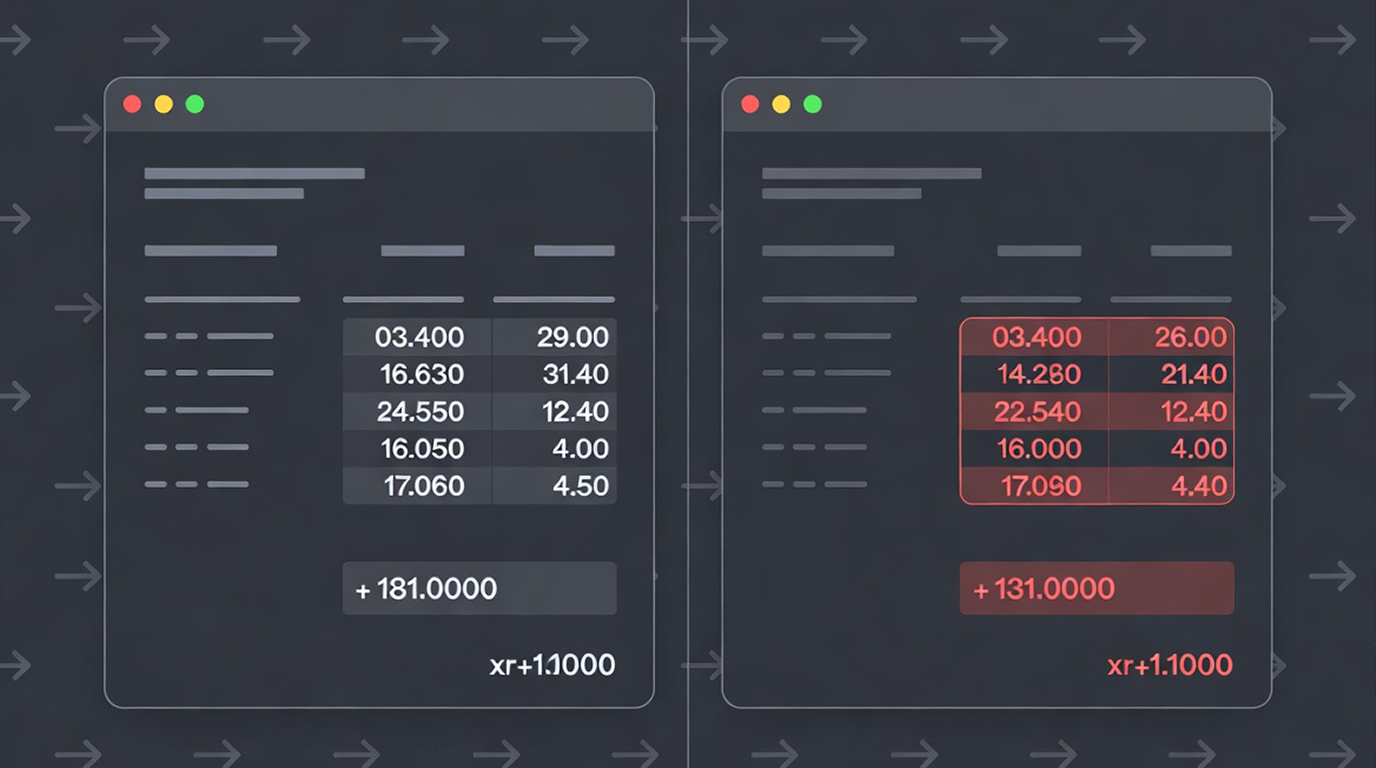
a) making small adjustments to formulas in Excel files (e.g., an adjustment of 0.1–2% for a financial calculation),
b) changing dates, metadata, or other static text in document files,
c) injecting small coding or configuration errors that will only be discovered at a later date,
d) corrupting backup files so that they will fail silently when an attempt is made to restore the data.
The intent of the modifications to the original files is to make the changes as undetectable as possible during the normal day-to-day execution of business functions, while ultimately causing extremely significant negative impacts to the organization (incorrect financial reports, broken builds, failed compliance audits).
4. Persistence and Evasion: Malware remains dormant for extended periods of time until it finds new or altered high-value files, at which point it will activate. The malware has been developed to remain undetected by utilizing living-off-the-land techniques and legitimate systems depending on when it decides to activate.
Why This Approach Is Increasingly Common
1. Dual effect: Attackers obtain the data (for resale, espionage or for future attacks) and in doing so, harm the victim’s ability to operate efficiently.
2. Gradual discovery of damage: As the corruption of the victim is a slow process, they often attribute the corruption to “human error” or “system failure” for months after the event occurs.
3. Increased pressure from extortion: When double extortion is used, the leak of clean (undamaged) data in addition to the leak of corrupted original data provides a maximum leverage opportunity for extortion.
4. Difficulty attributing the attack and remediating: Because these changes are slow, the victim will need to compare their records to known-good backups to fully restore their records, which many victims do not have.
Real-World Patterns Seen in 2026
1. Financial: Alteration of spreadsheets that are causing financial statements or forecasting models to be inaccurate.
2. Whether in manufacturing or industries with proprietary processes: Alteration of CAD files or source codes which will cause production problems months later.
3. Healthcare: Alteration of patient records or lab tests that may create compliance and safety issues.
4. Ransomware: Some groups now exfiltrate data and partially alter the original data before deploying encryption, making a clean recovery very difficult.
Practical Defense Strategies
1. Consistent Backups: Keep Offline Air-Gapped backups with Integrity Checking of Duplicate Copies (Hashes) which should be verified regularly.
2. File Integrity Monitoring (FIM) Solutions: Solution which alerts to changes, regardless of size, to important files which were performed without authorization.
3. Behavioral Monitoring: Checking for processes that have read a large number of documents followed by slow outbound data transfer or unusual file write.
4. Data Classification and Data Loss Prevention (DLP): Tag and Monitor files that are higher-value so that if there is an unusual access or transfer of files it will trigger an alert.
5. Version Control: Use systems that provide for the most complete versioning (Git for Code, Sharepoint/OneDrive for Documents) and regularly audit all changes.
6. Least Privilege: Limit the number of accounts/processes that can read/write from Sensitive Directory.
Manipulation of sponge files signals a change to Attack because of the intention to have a dual-use; one being; to cause the most damage while causing the least detection. Therefore, when developing plans to detect and recover from both theft and subtle corruption, the assumption of any prolonged undetected intrusion is that they may involve both theft and subtle corruption; thus require both detection and recovery capabilities.
In this time of longer-term attacks, regular integrity checks and immutable backups are no longer nice-to-have, they are essential.