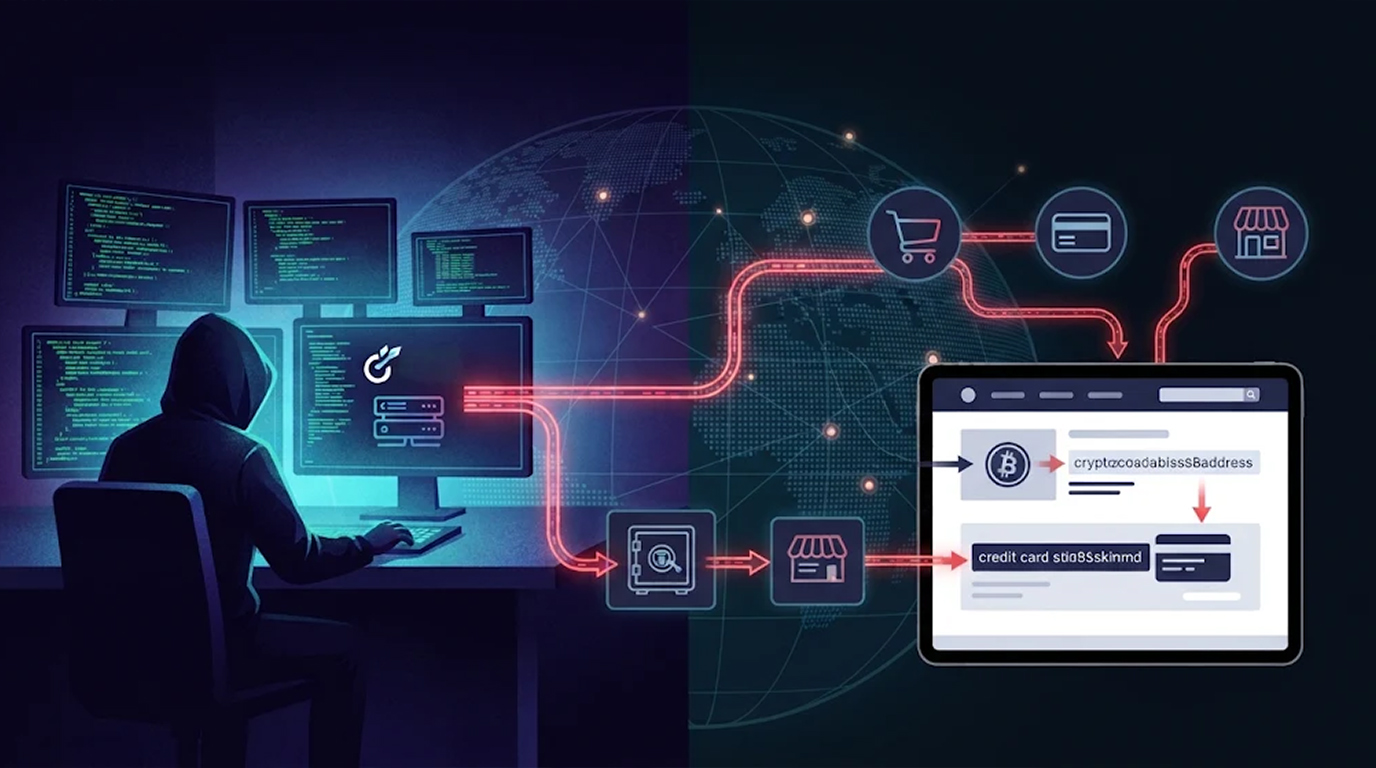

Ransomware has become one of the most formidable threats in the cybersecurity landscape, impacting individuals, businesses, and governments alike. This malicious software encrypts victims' files, holding them hostage until a ransom is paid. Understanding ransomware's mechanics, its consequences, and how to prevent it is essential for safeguarding your digital assets.
What Is Ransomware?
Ransomware is a type of malware that locks or encrypts files on a victim's computer or network, making them inaccessible. Once the files are encrypted, the attacker demands a ransom—typically in cryptocurrency—promising to restore access to the files upon payment.
Common Types of Ransomware
- Crypto Ransomware: This type encrypts files on the victim's device, rendering them unusable. It demands payment for the decryption key needed to restore access.
- Locker Ransomware: Unlike crypto ransomware, locker ransomware locks users out of their devices entirely, preventing access to the operating system and all applications.
- Scareware: This variant attempts to scare victims into paying by displaying alarming messages, often falsely claiming that the victim has committed illegal activities or that their device is infected.
- Ransomware-as-a-Service (RaaS): Cybercriminals offer ransomware tools and services on the dark web, enabling less technically skilled individuals to carry out attacks.
How Ransomware Attacks Occur
Ransomware can infiltrate systems through several methods:
- Phishing Emails: Attackers often send deceptive emails containing malicious attachments or links that, when clicked, initiate the ransomware download.
- Malicious Websites: Visiting compromised or malicious sites can inadvertently download ransomware onto a device.
- Unpatched Software Vulnerabilities: Cybercriminals exploit known vulnerabilities in outdated software or operating systems to gain access to networks and deploy ransomware.
- Remote Desktop Protocol (RDP) Exploits: Poorly secured RDP connections can be exploited by attackers to infiltrate networks and deploy ransomware.
Impact of Ransomware
The impact of ransomware attacks can be devastating, including:
- Financial Loss: Victims face potential loss of data, disruption to business operations, and, in many cases, ransom payments.
- Data Loss: If backups are not available or compromised, businesses may lose critical data permanently.
- Reputational Damage: Organizations affected by ransomware attacks may suffer long-term reputational harm, leading to loss of customer trust and loyalty.
- Legal Consequences: Depending on the nature of the data compromised, organizations may face legal repercussions and regulatory fines.
Strategies for Preventing Ransomware
- Regular Backups: Maintain up-to-date backups of important data, ideally stored offline or in a secure cloud service. Regularly test the restoration process to ensure data can be recovered.
- Keep Software Updated: Regularly update operating systems, applications, and security software to patch vulnerabilities that attackers might exploit.
- Employee Training: Educate employees about the dangers of phishing emails and suspicious links. Conduct regular training sessions to reinforce safe online practices.
- Implement Strong Security Measures: Use firewalls, intrusion detection systems, and antivirus software to protect against malware. Consider employing endpoint protection solutions that include ransomware detection.
- Restrict Access: Limit user privileges and access to sensitive data based on roles within the organization. This helps contain potential ransomware spread within the network.
- Use Multi-Factor Authentication (MFA): Implement MFA wherever possible to add an extra layer of security, making it more difficult for attackers to gain unauthorized access.
Ransomware represents a serious and growing threat to individuals and organizations alike. Understanding how ransomware operates and implementing proactive measures can significantly reduce the risk of infection and its associated consequences. Stay informed, vigilant, and prepared to protect your digital assets from these malicious attacks.