Let’s talk about something that doesn’t get enough attention, logging. Not the exciting kind with exploits or red team stories, but the quiet, behind-the-scenes stuff that makes or breaks an investigation.
I’ve seen it happen too many times: a company gets hit, everyone scrambles to look at the logs, and suddenly they realize half of what they need isn’t there or worse, what is there contains way too much personal information.
Logging is supposed to help you see the truth after an incident, but it can easily become a privacy problem if not handled carefully. That’s where privacy-preserving logging comes in.
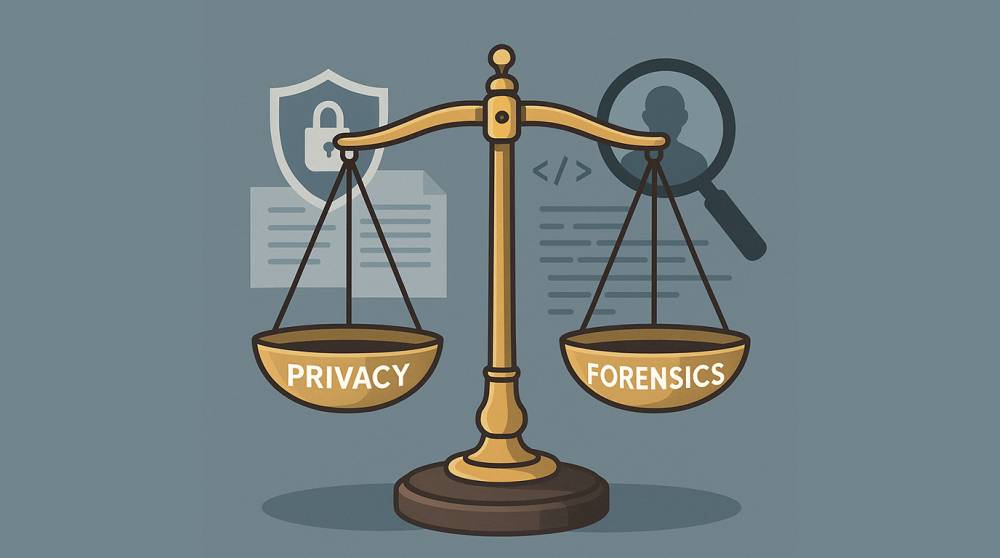
We all want good forensics. When something goes wrong, you want to know who accessed what, from where, and when. But let’s be real those details often include user data, sometimes even personal identifiers. If those logs get leaked, it’s like airing everyone’s dirty laundry.
On the flip side, if you strip out too much, your logs become useless. You can’t investigate what you can’t see. That’s the daily tension: collect enough to investigate, but not enough to violate privacy.
What Actually Works
- Don’t log everything. You’ll never need it all. Focus on what’s essential for security and compliance.
- Mask sensitive info. Hash IPs, obfuscate IDs, you can still find patterns without seeing the raw data.
- Encrypt logs like they’re secrets. Because they are.
- Set expiration dates. Old logs are just liability waiting to happen.
- Keep access limited. Not everyone needs to peek into logs. Trust me, fewer eyes mean fewer problems.
This isn’t about technology as much as it’s about culture. Teams need to stop treating logs like storage bins and start treating them like potential evidence, handled carefully, accessed sparingly, and cleaned up responsibly.
We’re in 2025, yet many still treat privacy as an afterthought. The truth is, security and privacy aren’t enemies, they’re teammates trying to keep order in the same chaotic digital world.
So, if you’re managing systems, take a fresh look at your logging setup. Ask yourself one question: If my logs leaked tomorrow, would I still sleep at night?
If not, it’s time to fix it.