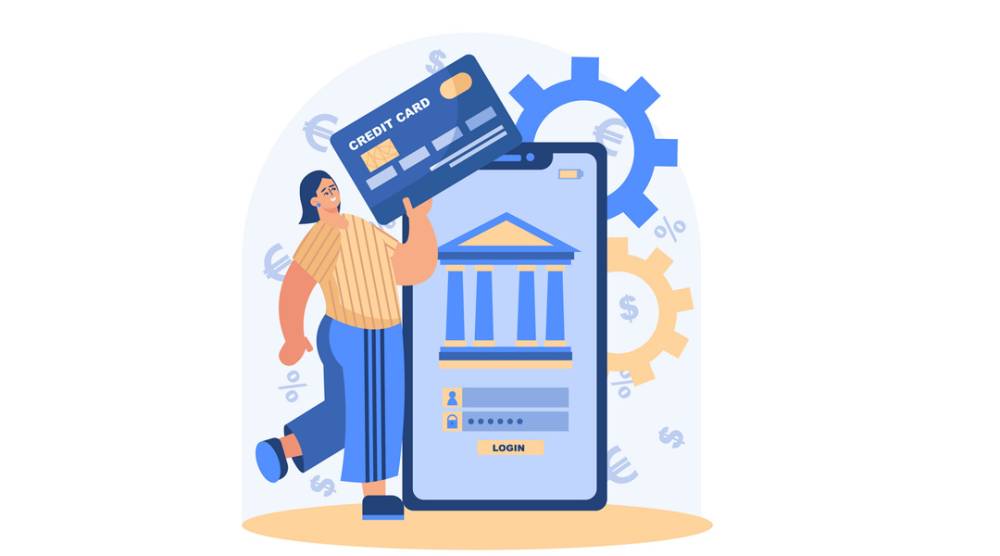
With the rise of mobile payments, privacy and security are central concerns for protecting users’ financial data. Whether using mobile wallets, peer-to-peer payment apps, or contactless payment methods, users want assurance that their transactions are safe and their data remains private.
Key Privacy and Security Features in Mobile Payments
- Encryption: Encryption scrambles data, making it unreadable to unauthorized users. Mobile payment apps use end-to-end encryption to secure payment information from the moment it’s sent to when it’s received by the merchant.
- Tokenization: Tokenization replaces sensitive card information with a unique token for each transaction. This limits exposure of actual card numbers, protecting them from hackers and reducing fraud risks.
- Two-Factor Authentication (2FA): Many mobile payment systems require a second authentication step such as biometrics (fingerprint or face recognition) or a code sent via SMS to verify the user’s identity, adding an extra layer of security.
- Biometric Authentication: Biometric measures ensure only authorized users can complete transactions. Mobile wallets like Apple Pay and Google Pay commonly use fingerprint or face ID as authentication.
- Fraud Monitoring: Payment platforms use AI-based fraud detection to identify suspicious transactions. These systems monitor activity patterns and flag transactions that deviate from a user’s usual behavior.
Privacy Risks in Mobile Payments
While mobile payment solutions prioritize security, there are potential privacy risks:
- Data Collection: Many payment apps collect data on users’ spending habits and may share this information with third parties, raising privacy concerns.
- Location Tracking: Some apps track users’ locations during transactions, which can be a privacy concern if mishandled.
- Unauthorized Access: If a mobile device is lost or stolen, unauthorized individuals could attempt to access payment apps without proper security measures.
Best Practices for Users
- Use Strong Passwords and 2FA: Ensure your payment app has a strong password and enable two-factor authentication if available.
- Keep Software Updated: Regularly update your mobile payment apps and OS to protect against vulnerabilities.
- Limit App Permissions: Review app permissions to reduce unnecessary access to personal data.
Mobile payment solutions offer convenience, but it’s essential to stay vigilant about privacy and security. By using secure, privacy-conscious platforms and following best practices, you can better protect your data and enjoy safer transactions.