Missed Call Scam
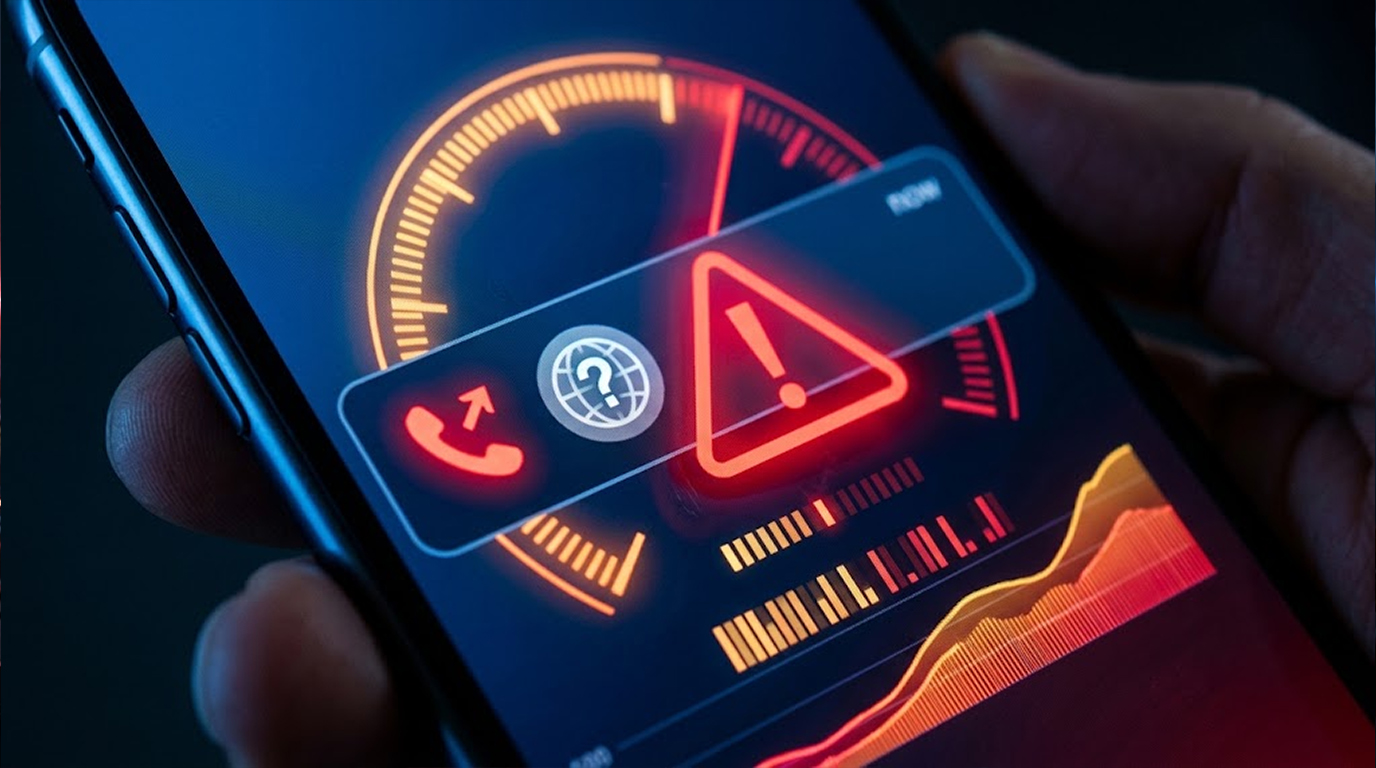
You glance at your phone, there's a missed call from a number you don't recognize, maybe it's international, maybe it's local, but it looks important enough that you consider calling back, after all, what's the harm in returning a call?
The harm is that you could be dialing into a premium rate scam that charges you by the minute, and the longer you stay on the line, the more you pay, this is called Wangiri fraud, and it's one of the oldest and most effective phone scams still in operation.
Let me walk through how it works, why it's so profitable, and what you can do to protect yourself.
Important Disclaimer
This article is intended for educational and defensive purposes only, the techniques described here are shared to help security professionals and everyday users understand emerging threats so they can better protect themselves.
Do not use these techniques against systems you do not own or do not have explicit written permission to test, unauthorized testing is illegal in most jurisdictions.
The author assumes no liability for any damages, legal consequences, or other outcomes resulting from the use or misuse of this information, always obtain proper authorization before conducting any security testing, and stay legal, stay ethical, stay responsible.
What Is Wangiri Fraud?
Wangiri is a Japanese term that roughly translates to "one ring and cut," and that's exactly what the scam does, it calls your number, lets it ring once, then hangs up before you can answer.
The goal is simple, to get you to call back, when you do, you're connected to a premium rate number that charges you a significant fee per minute, and the scammer collects a share of that revenue, sometimes the call also keeps you on hold for as long as possible to maximize the charge.
The numbers often look like they could be legitimate, they might have a country code that seems familiar, or they might be spoofed to appear local, and that's what makes the scam so effective.
Why This Scam Still Works
You might think nobody falls for this anymore, but the numbers tell a different story, Wangiri fraud generates billions of dollars in losses every year, and it continues because it exploits two very human tendencies.
First, we're curious, a missed call creates a small gap in our mental model, we wonder who called, we wonder if it's important, and that curiosity pushes us to call back.
Second, we're polite, we've been taught to return calls, we don't want to miss an opportunity, we don't want to seem rude, and scammers know this.
The scam also works because the cost per call is often small enough that victims don't notice immediately, a few dollars here, a few dollars there, until the bill arrives and the total is much larger than expected.
How the Scam Operates
The mechanics are straightforward, but the execution is refined.
The Setup
Scammers acquire premium rate numbers in countries where the per-minute charges are high, they set up automated systems that dial thousands of numbers per hour, and they let each call ring once before hanging up.
The Callback
When you call back, you're connected to the premium rate number, you might hear hold music, a recorded message, or an operator who keeps you talking, the goal is to keep you on the line as long as possible.
The Billing
Your phone carrier bills you for the call at the premium rate, the scammer receives a share of that revenue from the premium rate provider, and the cycle repeats with thousands of other victims.
The Variations
Some variants use missed calls from numbers that look like they're from your own country, others use numbers that appear to be from a bank or a government agency, and newer variants use AI to generate realistic voice messages if you do call back.
Why AI Makes It Worse
AI hasn't changed the core of the scam, but it has made it more effective in several ways.
Realistic Voice Interactions
If you call back and reach a person, that person might not be a person at all, AI voice cloning and conversational AI can keep you on the line, answer your questions, and make the interaction feel legitimate.
Personalized Lures
AI can analyze data from previous breaches and social media to craft a reason for the call, maybe it's a missed delivery, maybe it's a bank alert, maybe it's a job opportunity, the more relevant the pretext, the more likely you are to stay on the line.
Scaled Operations
AI can automate the entire operation, from generating the missed calls to handling the callbacks, one operator can now run a campaign that would have required a team before.
Evasion
AI can generate numbers and calling patterns that are harder to detect, it can rotate through numbers, it can vary the timing, and it can adapt to carrier blocking systems.
Real Scenarios
Scenario 1: The International Missed Call
The Setup
You wake up and see a missed call from a number with a country code you don't recognize, it could be from a business contact, it could be from a friend traveling abroad, you're not sure.
The Attack
You call back, the call connects, you hear hold music, you wait, you hang up after a minute, you think nothing of it.
The Result
Your next phone bill includes a charge for an international premium rate call, the charge is higher than you expected, and you have no way to recover the money.
The Lesson
A missed call from an unknown international number is almost never worth returning.
Scenario 2: The Local Number That Wasn't
The Setup
You get a missed call from a number that looks local, same area code, same format, you assume it's someone from your city.
The Attack
You call back, the number has been spoofed, it routes to a premium rate service, you're kept on the line by a recorded message that asks you to wait for the next available agent.
The Result
You're billed at premium rates for the duration of the call, and the scammer collects their share.
The Lesson
Caller ID can be spoofed, a local-looking number is not proof of legitimacy.
Scenario 3: The AI Voice on the Other End
The Setup
You make a call to return an unanswered one. A friendly-sounding voice picks up the line, identifies itself as a delivery company and tells you that there is a package waiting for you.
The Attack
The voice is AI-generated, it keeps you on the line, it asks questions, it builds rapport, and it keeps the conversation going as long as possible.
The Result
You're billed for the full duration of the call, and the AI has also collected personal information you volunteered during the conversation.
The Lesson
AI can make a scam feel personal, and that's what makes it dangerous.
Scenario 4: The Callback That Kept You on Hold
The Setup
You call back a missed call, you hear a message that says your call is important and an agent will be with you shortly, you wait, you wait longer, you hang up after ten minutes.
The Attack
The entire experience was designed to keep you on the line, there is no agent, there is no queue, there is only the premium rate meter running.
The Result
You're charged for ten minutes at premium rates, and the scammer moves on to the next victim.
The Lesson
Hold music is a billing mechanism, not a service.
How to Protect Yourself
The defense is simple, and it starts with a single rule.
- Do Not Call Back Unknown Numbers. If you don't recognize the number, don't call back, if it's important, the caller will leave a voicemail, if they don't leave a voicemail, it wasn't important.
- Check the Number Before Calling Back. If you're tempted to call back, search the number first, many scam numbers are reported online, a quick search can save you money.
- Be Suspicious of International Numbers. If the number has a country code you don't recognize, be extra cautious, premium rate scams often use international numbers because the rates are higher.
- Watch for One-Ring Calls. If your phone rings once and stops, that's a classic Wangiri pattern, do not call back.
- Block and Report. Block the number, report it to your carrier, and report it to your national fraud reporting center, this helps protect others.
- Monitor Your Phone Bill. Check your bill regularly, look for unexpected premium rate charges, and dispute them with your carrier immediately if you find them.
- Enable Carrier Protections. Many carriers offer scam blocking and premium rate blocking services, enable them if they're available.
- Use a Caller ID App. Spam and scam identification apps alert you before you reply or return their calls.
- Educate Family Members. Older adults and less tech-savvy family members are common targets, make sure they know the rule, don't call back unknown numbers.
- Trust Your Instincts. If something feels off, it probably is, a missed call from a stranger is not an emergency, it's a potential scam.
Quick Reference: Missed Call Scam Defense Checklist
|
Defense |
Action |
|
Unknown number |
Do not call back |
|
International number |
Be extra cautious |
|
One-ring call |
Do not call back |
|
Voicemail |
Only call back if a message is left |
|
Suspicious number |
Search online before calling |
|
Phone bill |
Monitor for premium charges |
|
Carrier |
Enable scam blocking |
|
Caller ID app |
Use one |
|
Family |
Educate them |
|
Instinct |
Trust it |
The Bottom Line
That missed call from an unknown number is not an opportunity, it's a trap, calling back can connect you to a premium rate service that charges you by the minute, and AI is making these scams more convincing and more scalable.
The defense is simple, don't call back unknown numbers, if it's important, they'll leave a message, if they don't, let it go.
Your curiosity is not worth your money, and your politeness is not worth the premium rate charge.
Don't call back.
FAQ Section
What is a Wangiri scam?
Wangiri is a missed call scam where the attacker calls your number, lets it ring once, and hangs up, hoping you'll call back a premium rate number.
What happens if I call back an unknown number?
You may be connected to a premium rate service that charges you by the minute, the scammer receives a share of the revenue.
How do I know if a missed call is a scam?
If the number is unknown, international, or rings only once, treat it as suspicious, do not call back.
Can AI make them even worse?
Yes, because AI could help to produce realistic voice communications, tailor the bait, and automate the process on a mass scale.
What should I do if I have already called back?
Stop right away, watch your telephone bill for any unusual premium rate calls, and contest them.
How do I stop getting these calls?
Use carrier's scam protection, install a caller ID app, and block any numbers that show up.