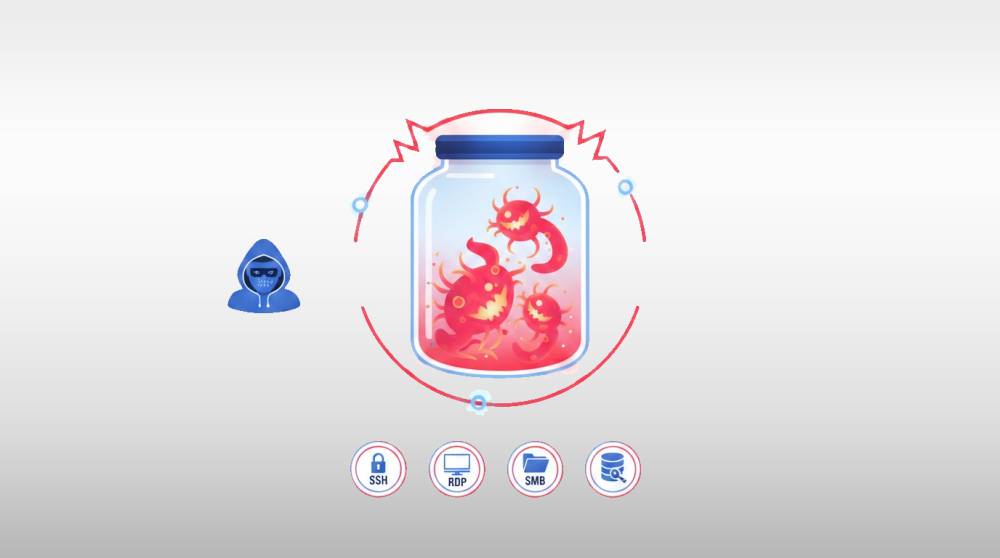
Malware honeypots are decoy systems set up on purpose to look easy to hack. The idea is simple: make them seem like juicy targets (unpatched servers, open shares, weak passwords), wait for attackers to bite, then quietly collect whatever malware they drop, the payloads they download, the C2 servers they talk to, and how they behave once inside.
In 2025–2026 this is still one of the best ways to get fresh, real-world samples weeks or months before they show up on VirusTotal in big numbers. Security researchers, threat intel teams, and even some universities run them to track new stealer variants, updated droppers, or shifts in attacker tactics.
Main Types You’ll Actually See in Use
1. Low-interaction honeypots These fake services (SSH, SMB, HTTP, FTP, RDP) without running a full OS. They’re low risk and quick to set up. Examples: Cowrie (SSH/Telnet), Dionaea (SMB/HTTP/FTP), Honeytrap. What you get: brute-force attempts, exploit code, initial droppers, shell scripts.
2. High interaction honeypots Used real user machines (old Windows 7/10; unpatched Linux, exposed IoT devices) to reflect a true operating environment. Malware will run to completion, call home, install persistence, and exfiltrate. These types of honeypots have a higher risk of being used by the hacker (must be tightly isolated), but they also gives you complete samples, configurations, and memory artifacts.
3. Containerized / modern setups Docker/Kubernetes-based (T-Pot is the most popular). Fresh vulnerable container spins up per connection → malware infects → container dies and gets analyzed.
Vectors Attackers Love (and Honeypots Expose)
1. RDP (3389) : Still #1. Old Windows with “Administrator / 123456” gets hammered in minutes. Captures infostealers, RATs, ransomware loaders.
2. SMB (445) : Open shares with Guest/anonymous write access. Pulls worms, EternalBlue exploits, file droppers.
3. Unpatched Web applications that run on WordPress, phpMyAdmin, or Jenkins contain vulnerable Docker APIs (2375). Each of these applications can be accessed using webshells, bitcoin miners, and back-doors, among others.
4. SSH is often configured with weak passwords or old versions (22), which can be cracked by brute force programs, SSH worms, etc.
5. Anonymous FTP/TFTP write access (21/69) (e.g. the use of FTP/TFTP) allows attackers to upload or host malicious software.
6. Fake or Telnet-enabled IoT devices (such as cameras/routers) are very similar to those employed in the Mirai botnet. Still catches botnets in 2026.
Real Scenarios That Show How It Plays Out
1. An RDP honeypot with weak passwords (Windows 10) was exposed for 12 hours, with multiple successful logins. During that time, a C2 server was downloaded and executed via PowerShell using a Lumma stealer and LockBit payload. Full stealer executable, C2 server IPs, and persistence Registry Run key were recovered.
2. An SMB file share honeypot with a “Public” share that is writable by everyone. An attacker uploaded a shortcut (LNK) file, which ran a PowerShell script to install Cobalt Strike via a stager/agent. The LNK file, the PS script used, and the Beacon malleable profile were all recovered.
3. A vulnerable WordPress honeypot was compromised via the exploitation of a vulnerable plugin, an attacker was able to upload a web shell to gain access to the server, and then download a RedLine stealer that also grabbed the wp-config.php file from the WordPress installation. Captured: webshell PHP, stealer binary, exfil traffic.
Tools People Actually Deploy
1. T-Pot : All-in-one Docker platform (Cowrie, Dionaea, Wordpot, etc.). Easiest to start with.
2. Modern Honey Network (MHN) : Central dashboard for distributed sensors.
3. Cowrie : Top choice for SSH/Telnet logging and file capture.
4. Dionaea : Catches malware from SMB/HTTP/FTP exploits.
5. Conpot : For ICS/SCADA attacks (PLC, Modbus, etc.).
Quick Tips If You Decide to Run One
1. Isolate everything : separate VLAN, no outbound except to your own C2 logger/sinkhole.
2. Use cloud VMs (cheap, disposable) or snapshots so you can revert after infection.
3. Capture it all: PCAPs, dropped files, memory dumps, full logs.
4. Rotate images regularly : attackers fingerprint honeypots.
5. Share samples safely (MalwareBazaar, VX-Underground, research channels).
Honeypots aren’t for every company; they take careful setup so you don’t accidentally help attackers. But when done right, they give you a front-row seat to malware that hasn’t been analyzed yet.