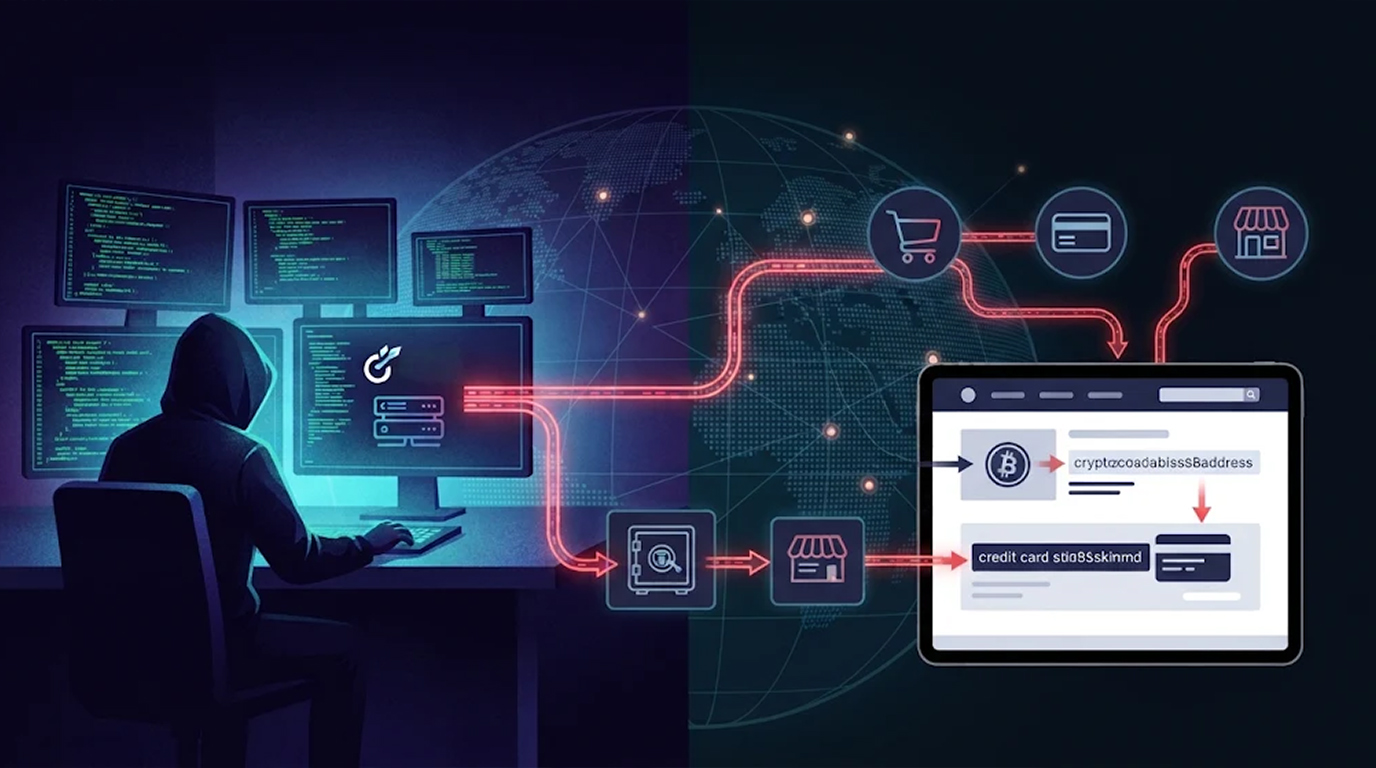
Criminals and state entities are currently applying AI to execute assaults on individuals and businesses. This has been done in a well-known manner throughout the period lasting from 2023 until early 2026. In the latter half of 2023 and during the first half of 2024-2025, what was mainly hype and trial runs in 2022 became actual tools that criminals now utilize.
These are the primary methods being used by criminals today to carry out malicious activities with AI that found through public reports, leaks or security disclosures:
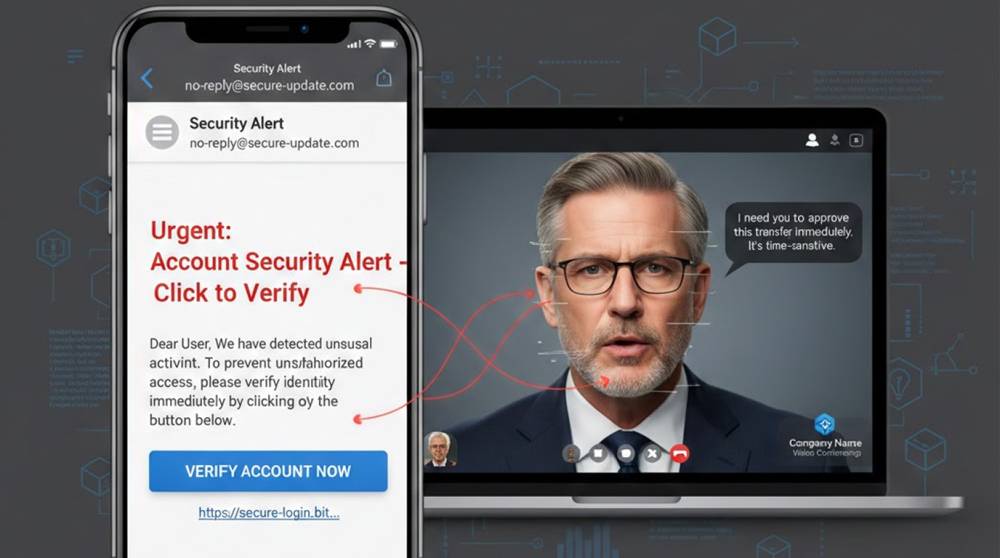
1. Criminals are using LLMs (Large Language Models) to compose countless phishing emails, SMS messages, WhatsApp messages, LinkedIn invites/lures, etc., all written in perfect English and personalized to resemble the specific person's needs within seconds of generating the response. It is also done in different languages.
Example: the “WormGPT” and “FraudGPT,” which were released into use in the underground market from 2023 to 2025, were literally like ChatGPT without any backup safety measures. Criminals used WormGPT and FraudGPT to generate BEC (Business Email Compromising) emails that were so realistic that the victims sent the criminal parties millions of dollars without realising they had been duped.
One documented case (early 2025) saw a European manufacturing firm lose €4.2 million after an AI-generated email from “the CEO” asking for an urgent supplier payment.
Another case: LockBit and RansomHub affiliates started using AI to scrape LinkedIn profiles and generate tailored spear-phishing messages (“Hi [Name], saw your post about migrating to CrowdStrike , we have an urgent patch, click here”). Success rates reportedly jumped 30–40% compared to template-based phishing.
2. AI for Malware Creation & Evasion
LLMs help generate polymorphic code, obfuscated payloads, and anti-analysis tricks that change every run.
Example: As of mid-2025, it was discovered by researchers that there were numerous variants of RansomHub ransomware (different strains) written using LLMs to modify PowerShell download cradles and other LOLBin chains. There were 20+ syntax variations of the same core logic that successfully avoided being detected by signature-based detection mechanisms. One RansomHub variant even created false benign comments or variable names that were similar to real code written by developers.
Another case: the “DarkBERT” leak (2024) demonstrated how cybercriminals have been fine-tuning LLMs based on data found in the dark web to create malicious scripts that could escape detection by traditional AV/EDR systems. In 2026, tools such as FraudGPT were publicly available for producing fully operational infostealers from one prompt.
3. AI vulnerability Discovery and use of AI to generate exploits
LLMs: AI Models, LLMs specialized in code as well as identification of bugs and generation of exploits at a rate faster than a human could possibly do alone.
Example: In late 2025, Google’s Threat Intelligence Group reported that the attacks using multiple zero-day exploits of popular enterprise software (e.g. Citrix, Ivanti, Fortune) were using AI to generate those exploits. The number of days between a software patch being released and the appearance of multiple exploits would indicate that AI-based creation of exploit code through reverse engineering of the patches had taken place.
Another case: A similar situation occurred in 2025 where criminals modified “pentestGPT” and other publicly available open-source red teaming tools to create and exploit a chain of vulnerabilities -> to develop an exploit -> to deliver a payload. One of the cited examples was the use of AI to locate an SSRF vulnerability in a web app, generat an exploit against that vulnerability, and use that exploit directly against the internal network.
4. Use of Deepfakes and Voice & Video Impersonation to attack Businesses & Organizations using Vishing and BEC
AI voice cloning and video synthesis have become both inexpensive and accessible enough, that they are being actively used to perpetrate Vishing and BEC attacks.
Example: In early 2024, a financial services firm in Hong Kong was the victim of a US$25 million or HK$200 million loss after someone used video synthesized deepfake of the CFO to place an authorization for the transfer of money in a Zoom meeting.Similar incidents were reported in the UK and US in 2025 (smaller amounts, but same tactic).
Another case: Voice phishing (vishing) campaigns in 2025–2026 used ElevenLabs-style cloning to impersonate CEOs or IT helpdesk. A victim receives a “familiar” voice asking for a 2FA code or remote access approval → victim’s account gets hacked.
5. The Use of AI in Infographic Reconnaissance and Target Selection
AI-generated Large Language Models (LLMs) are used to gather and compile reasonable health records from various sources, including LinkedIn, company websites, breach dumps, and social media; thereby creating the most accurate profile of a target to assist in designing targeted phishing attacks against them.
Example: Salt Typhoon's “successors” in 2025 were reported to have used finely-tuned LLMs to create org charts for telecommunications companies, with the intent of targeting network engineering personnel by phishing those individuals and establishing initial access to telecommunications company infrastructure.
Why This Is Getting Worse Fast
1. Tools are cheap or free (FraudGPT clones cost $200–$500/month on dark forums).
2. Models are getting better at deception and code every few months.
3. Defenders are still mostly human-speed while attackers are machine-speed.
Practical Steps to Reduce Exposure
1. Treat urgent requests for codes, transfers, or remote access as suspicious, verify through an offline method (i.e., call back using a known number).
2. Utilize a hardware-based two-factor authentication solution (YubiKey) for critical accounts, as it is far more difficult to phish from.
3. Enable strict LinkedIn privacy settings (i.e. hide your connections and remove any tool references).
4. Be on the lookout for unusual login locations and devices immediately after having changed your password.
5. Train your team to recognize AI-generated text (too good of a grammatical grade, subtle differences).
6. For companies: use AI-detection tools on inbound email and limit LLM access in sensitive workflows.
AI is already changing how attacks happen not just making them faster, but making them more convincing and adaptive. The gap between “this looks real” and “this is real” is shrinking every month.