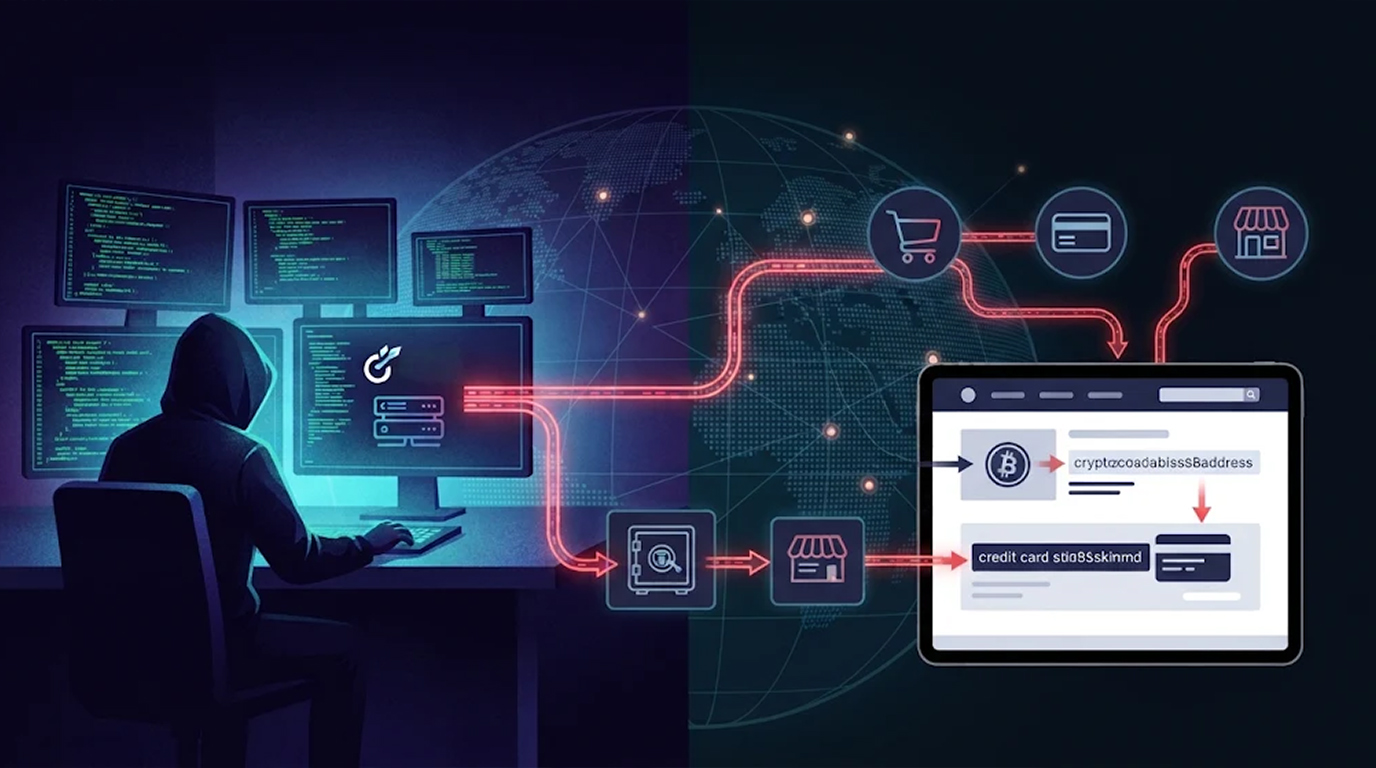

Every year fraud can lead to losses from Business Email Compromise, bogus invoices, diversion of settlements, Smishing, and internal theft of tens of thousands and often millions of dollars in the case of small and medium companies or start-ups. By 2026, the use of AI will help attackers develop better impersonations; however, the majority of successful fraud is still perpetrated by exploiting fundamental weaknesses; for example, lack of sufficient verification or security controls.
Many of the effective prevention techniques do not need to cost anything; they require consistent usage of processes, free tools, and team discipline. These practical techniques focus on high-impact areas for resource-constrained teams while supporting data privacy and website security.
1. Establish Strict Verification Policies (Almost Free)
Create a simple “out-of-band” verification rule for any financial request or change:
a) Never act on urgent payment instructions, vendor changes, or wire requests received only by email or WhatsApp.
b) Always check with an Internal Phone or Known Contact Either through One of Many Internal Communications Methods (i.e., in-person, via a pre-determined through a Direct Contact Number). Never Use Phone Numbers Provided in Any Suspicious Messages.
How to implement: Document the procedure in an easily accessible single-page document and require dual authorization for any transaction exceeding a Low Swindler Amount (e.g., €500 / $500). This single habit virtually eliminates CEO Fraud and Fake Invoice Scams
2. Take Advantage of Free or Built-in Technical Controls
a) Multi-Factor Authentication: Turn on at All Locations (Email, Banking, Accounting Software and Cloud Services). Most providers (Microsoft 365, Google Workspace, Stripe, etc.) include it for free.
b) Email Authentication (SPF, DKIM, DMARC): Configure these on your domain. Many hosting providers and email services offer free setup guides. DMARC helps prevent spoofed emails that look like they come from your CEO.
c) Bank and Card Alerts: Set up free transaction notifications and daily/weekly bank statement reviews.
3. Separate Duties and Review Finances Regularly
No single person should control an entire financial process. Even in tiny teams:
a) One person prepares payments; another approves or reviews them.
b) The business owner or a trusted second person reviews bank statements and credit card transactions every month (or weekly for very small teams).
c) Reconcile accounts regularly to catch duplicate invoices or unusual vendors early.
This low-effort internal control catches both external fraud and accidental (or intentional) internal issues.
4. Training Your Employees at Low- or No-Cost
A short training on a regular basis provides one of the best Returns on Investment against Fraud Schemes. Specifically focus on:
a) Identifying Urgency, Phishing Emails, and Unusual Requests (i.e., the 7 Red Flags of CEO fraud)
b) Not Clicking on links and attachments from emails you did not expect.
c) Reporting Suspicious Emails Immediately.
You can use demonstrated phishing and email security training tools to train your team on a shoestring budget. For example, you can use the KnowBe4 phishing simulations (limited free tests), Google Phishing Quiz, and conduct role-play sessions with your staff. You can also share short monthly video clips or one-page training cheat sheets with your team.
5. Free or Open Source Solutions for Monitoring
a) Password Manager : Bitwarden free tier (for storing "Strong" and "Unique" passwords).
b) Antivirus/Endpoint Protection : Windows Defender is already installed on your computer and is effective; however, there are also “free” versions from reputable vendors.
c) Transaction Monitoring : Many Accounting Software programs (such as Xero) and Payment Processors (such as Stripe Radar) have basic "Fraud" detection capabilities available to their users at no-charge (see free tier capabilities).
d) Email Filtering : You can fully configure either the "built-in" filters of Microsoft 365 or Google Workspace before adding any enhanced, paid layers of filtering on top of it.
6. Secure Vendor and Payment Processes
a) Maintain an authorized vendor list that contains verified banking information.
b) Require a written confirmation (not just an email) before you change any payment information.
c) If you sell items or take payments online, implement basic fraud protection rules in your processor (e.g., blocking countries with high risks when they are not required, or requiring additional verification for large orders).
7. Create a Simple Reporting Culture
Encourage employees to report suspicious activity freely. A simple fraud hotline can be as easy as creating a dedicated Slack channel or email address. Staff typically have the best chance to identify fraud when they are able to voice their concerns without hesitation.
Why These Techniques Work for Low-Budget Teams
Most of the useful fraud attempts against SMEs (small to medium-sized enterprises) take advantage of process gaps, not elaborate high-tech schemes. For example, if you have good process verification, basic separation of duties throughout your employees, and allow your employees to communicate and be aware of fraud, many of these attacks can be stopped without the use of expensive software tools.
When your business gets larger, you can buy more advanced types of tools (e.g. cheap fraud APIs by SEON for startups), but the basics give you immediate protection.
Key Takeaways
1. Stick with people/processes first (verification policy/save lives): having a good verification policy can help to stop most of the CEO fraud/invoice fraud that some businesses experience.
2. Utilize free built-in tools (MFA, email authentication, bank alerts): these tools are typically low cost and also help provide a good defense against fraud.
3. Review finances manually and separate duties, a business of any size could sufficiently complete this requirement.
4. Keep your policies simple/consistent and update them quarterly: by keeping your documentation concise and clear, you will make it easier for your employees to follow your policies.
5. Establish low-cost habits for data privacy compliance: these habits also help you build good customer trust in a regulated environment.
Pick two or three specific actions to do this week. For example, you can turn on MFA everywhere and create a one-page verification policy. By frequently implementing these small tactics, you can reduce your risk of fraud without forcing your resources or slowing down your business.