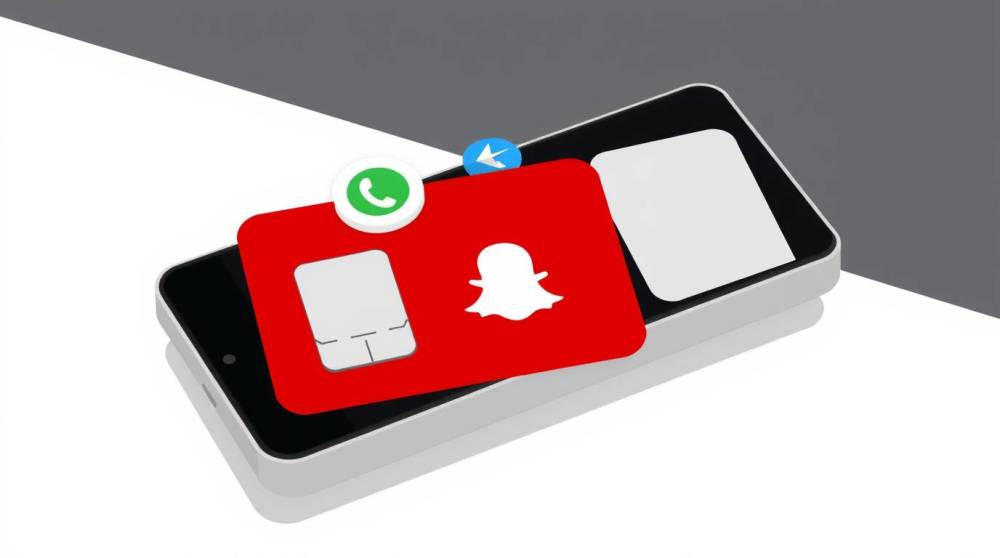
India is tightening the screws on how messaging apps operate in the country, and this time the change goes straight to the SIM card. The Department of Telecommunications (DoT) has pushed out new rules telling apps like WhatsApp, Telegram, Signal, Snapchat, JioChat, and others that they can’t keep working unless the phone number tied to the account has an active SIM inside the device.
The government is basically closing a loophole that has made life easier for scammers. Right now, someone can authenticate an account in India, then remove the SIM card, travel abroad, or switch devices and still keep using that same Indian number through the app’s web or desktop version. That’s exactly what many fraud groups rely on, especially for cross-border scams, “digital arrest” threats, and fake government calls.
The DoT says messaging apps will now have 90 days to adjust. The new requirements are pretty straightforward:
1. The app must stay directly linked to the active SIM. No SIM → no access.
2. Web or desktop sessions will auto-logout every six hours, and users will need to re-link them using a QR code.
3. Every active account and all its sessions must be tied to a KYC-verified SIM card.
This adds friction, and that’s the point. Fraudsters will have to continuously prove they still have control over the number instead of running long-lived sessions from abroad while hiding behind Indian phone IDs.
The timing isn’t random. Over the past year, Indian authorities have been dealing with a spike in mule accounts, loan-app scams, investment frauds, and cross-border operations. Many of those start with messaging apps and the assumption that “Indian number = real Indian user.” The DoT says that’s no longer good enough.
A few days before this announcement, the government also revealed plans for a Mobile Number Validation (MNV) platform. This system will allow service providers or government agencies to confirm that the mobile number tied to a digital service truly belongs to the person using it. The idea is to curb fake identities, reduce account takeovers, and clean up the digital ecosystem.
These kinds of SIM-binding controls already exist for banking and UPI apps. Now they’re coming to everyday messaging platforms as well. So far, WhatsApp and Signal haven’t commented on the move, but these changes could significantly impact how millions of people use these services, especially those who rely on long-running web sessions at work or while traveling.
Source: The Hacker News