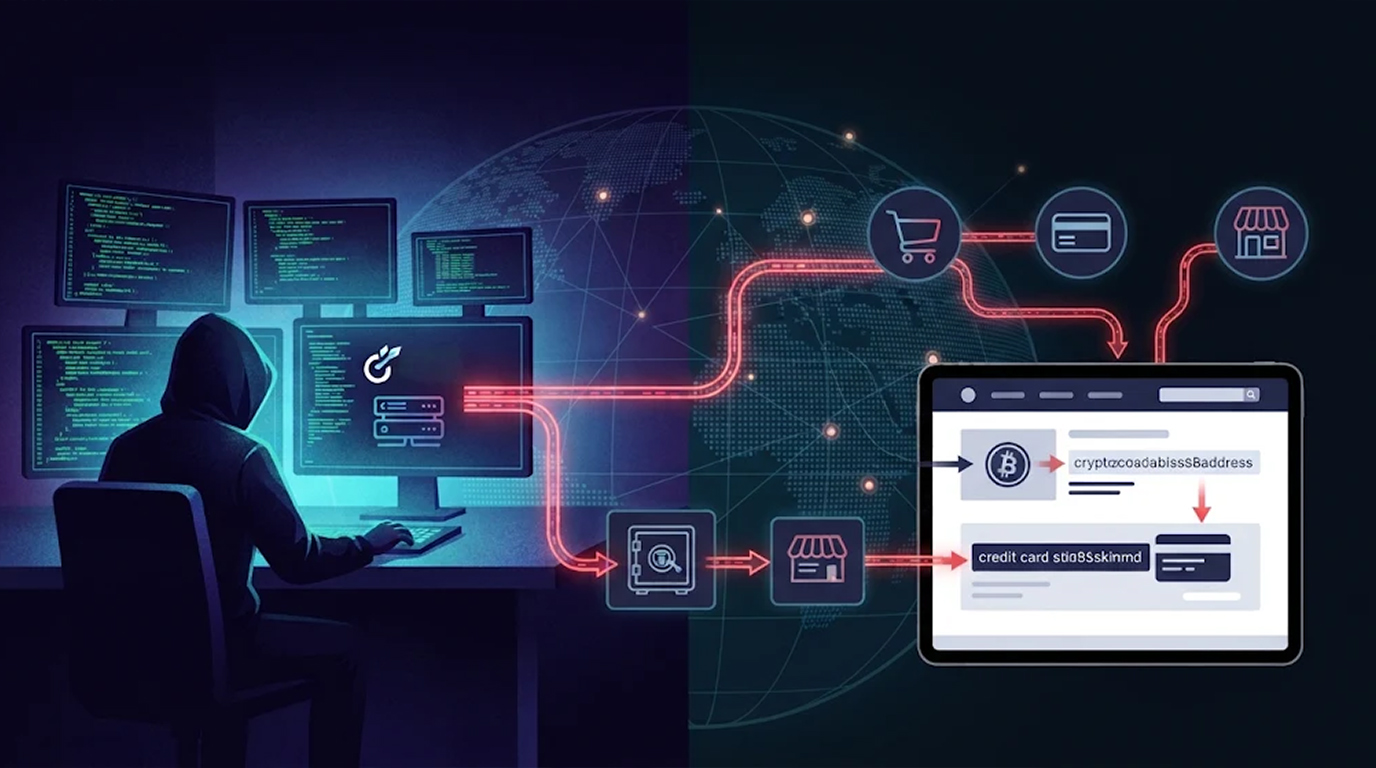
Identity theft occurs when someone unlawfully obtains and uses another person's personal information, typically to commit fraud. This kind of crime can disrupt lives by damaging credit scores, draining bank accounts, and even implicating victims in criminal activities. With increasing digital interconnectivity, identity theft has become a widespread concern, impacting millions globally.
Types of Identity Theft
- Financial Identity Theft: In this form, the fraudster uses stolen information to open new credit accounts, make purchases, or obtain loans. Victims may discover this type of theft through unexpected charges on their accounts or when they’re denied credit due to fraudulent activity affecting their credit score.
- Medical Identity Theft: Criminals use stolen health insurance or personal identification to receive medical treatment, prescriptions, or even claim medical benefits. This can lead to incorrect medical records and unpaid bills in the victim's name.
- Criminal Identity Theft: In this case, a thief uses another person's identity during an encounter with law enforcement, leading to a criminal record or warrants issued in the victim's name. This can have serious legal implications for the innocent party.
- Synthetic Identity Theft: Here, fraudsters combine real and fake information to create a new, synthetic identity. They might use a genuine Social Security number with a different name and address to open bank accounts, making this type of identity theft particularly hard to detect.
- Child Identity Theft: Children’s Social Security numbers are highly valuable to criminals because they’re typically unmonitored. Fraudsters can use these numbers to apply for credit, government benefits, or employment, with victims often unaware until they’re adults.
Common Tactics Used by Identity Thieves
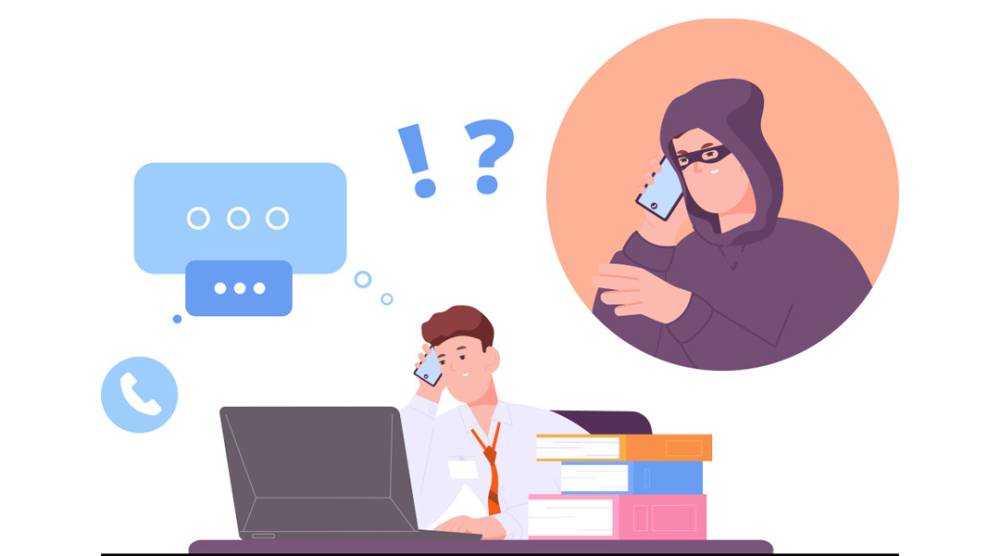
- Phishing: Phishing emails, texts, or calls appear legitimate and trick individuals into providing personal information, such as Social Security numbers or login credentials.
- Data Breaches: Cybercriminals often hack into databases of organizations to steal massive amounts of personal information in one go. These breaches have affected retail companies, healthcare providers, and government agencies.
- Skimming: Skimming devices are often attached to ATMs or gas pumps, capturing card information when an individual swipes their card. This information is then used to access victims' accounts or create counterfeit cards.
- Dumpster Diving: Identity thieves still use old-school methods, like going through discarded mail and documents to find sensitive information such as credit card statements or pre-approved credit offers.
- Social Media Mining: Many people post personal details on social media, which can provide clues to hackers. Information like birthdates, addresses, and even pet names can help thieves bypass security questions.
How to Protect Yourself from Identity Theft
- Monitor Your Credit Reports and Accounts: Regularly check your credit report for unfamiliar accounts or incorrect information. Monitoring your bank and credit card accounts for unauthorized transactions can also help you detect identity theft early.
- Secure Personal Information: Avoid carrying sensitive information, such as your Social Security card, unless necessary. At home, store important documents in a secure place. When disposing of documents, use a shredder.
- Use Strong Passwords and Enable Multi-Factor Authentication (MFA): Using unique, complex passwords for each account helps protect your data. Multi-factor authentication adds an extra layer of security, making it harder for thieves to gain access.
- Be Wary of Unsolicited Requests: Avoid giving personal information to anyone who contacts you unexpectedly. Financial institutions or government agencies will not ask for sensitive information over email or phone.
- Limit Social Media Sharing: Be mindful of what you post online, as fraudsters can gather personal details from social media to impersonate you or answer security questions.
- Use Identity Theft Protection Services: Many identity theft protection services monitor your personal information on the dark web, offer credit monitoring, and provide alerts for suspicious activity.
What to Do if You’re a Victim of Identity Theft
If you suspect your identity has been stolen, take immediate action:
- File a Fraud Alert: Contact one of the major credit bureaus (Experian, TransUnion, or Equifax) to place a fraud alert on your credit report. This makes it harder for criminals to open accounts in your name.
- Freeze Your Credit: Freezing your credit prevents new credit accounts from being opened in your name until you unfreeze it. This is a more secure option than a fraud alert, especially if you don’t need new credit soon.
- Report to the FTC and Law Enforcement: File a report with the Federal Trade Commission (FTC) at IdentityTheft.gov. Additionally, contact your local law enforcement agency and file a police report.
- Contact Financial Institutions: Notify your bank, credit card issuers, and any other affected institutions. They can assist with closing compromised accounts and issuing new account numbers.
- Monitor Accounts for Suspicious Activity: Continue to check your financial and credit accounts regularly, even after taking steps to secure your identity.
Identity theft can be deeply disruptive, but with proactive measures and awareness, you can minimize your risk. Understanding how identity theft occurs and staying vigilant against scams are the first steps in protecting your personal information. By actively monitoring your accounts and securing your data, you can safeguard yourself from falling victim to identity theft in today’s digital age.