Hybrid warfare isn’t a future concept anymore, it’s already here, and it’s messy.
In the past, hacktivists and espionage groups lived in two very different worlds. One made noise to prove a point. The other stayed quiet to steal something. But today, those lines are blurring fast. We’re seeing a new kind of battlefield where political activism and state-level intelligence work hand in hand.
It’s a combination that makes cyberattacks harder to predict, harder to trace, and far more dangerous.
Hacktivists Bring Chaos
Hacktivism used to be about defacing websites or leaking small sets of data to embarrass a target. Now, these groups often operate with better tools, more coordination, and clearer political motives. They’re loud, disruptive, and quick to mobilize. When tensions rise between countries, hacktivist groups suddenly appear like digital militias, taking sides without waiting for permission.
Espionage Groups Bring Precision
On the other side, state-sponsored espionage groups move quietly. They’re not after headlines, they want access. They steal intelligence, monitor communications, infiltrate critical systems, and sit silently for months or even years. These operations have patience and long-term strategy behind them.
When the Two Merge
This is where hybrid warfare becomes dangerous.
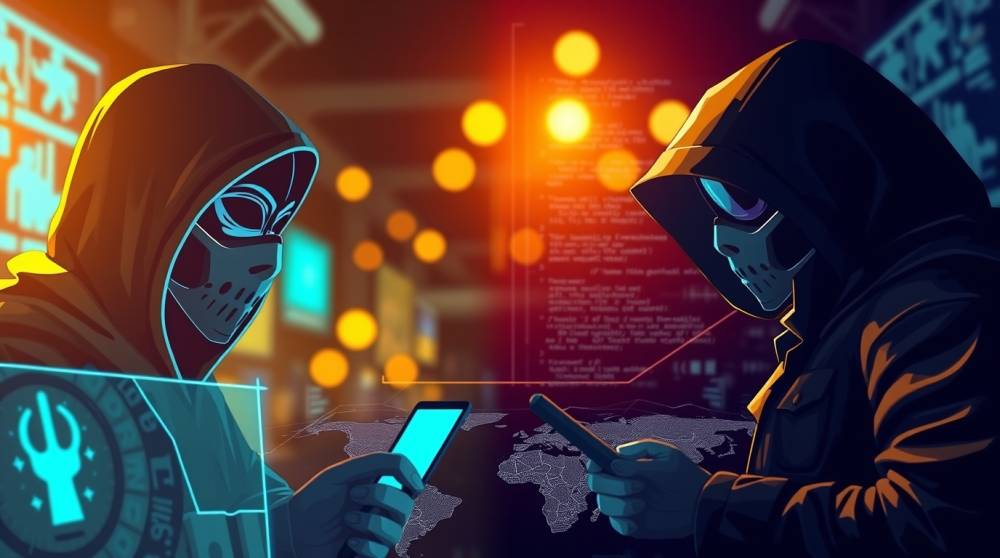
A government may deny involvement while hacktivist groups handle the noisy, public-facing attacks. Meanwhile, intelligence teams exploit the distraction to conduct deeper intrusions.
It creates a smoke and fire scenario:
- Hacktivists “claim the attack” publicly.
- Espionage actors harvest intelligence quietly in the background.
- Attribution becomes almost impossible.
- Targets have no idea whether they’re dealing with activists, criminals, or a nation-state.
And when the dust settles, attackers usually walk away with more than just data, they walk away with influence.
Why This Matters
Hybrid cyber warfare doesn’t just disrupt businesses or websites. It affects national security, elections, critical infrastructure, and global stability. It creates confusion on purpose. When no one knows who’s attacking, no one knows how to respond.
What Organizations Can Do
- Treat politically motivated attacks as potential covers for deeper intrusions.
- Monitor for long-term persistence, not just one-time disruptions.
- Strengthen identity and network visibility, espionage groups rely on stealth.
- Prepare for misinformation campaigns tied to cyber incidents.
- Implement incident response plans that consider both loud and silent threats.
The digital battlefield is evolving, the players are mixing, and the organizations caught in the middle need to be ready for threats that don’t look like the old playbook anymore.