WhatsApp has become one of those apps people open without thinking, chats, voice notes, work groups, everything. And because we rely on it so much, attackers know exactly where to hit. WhatsApp hacking has become way more common lately, and the scary part is how simple some attacks can be.
The most popular trick?
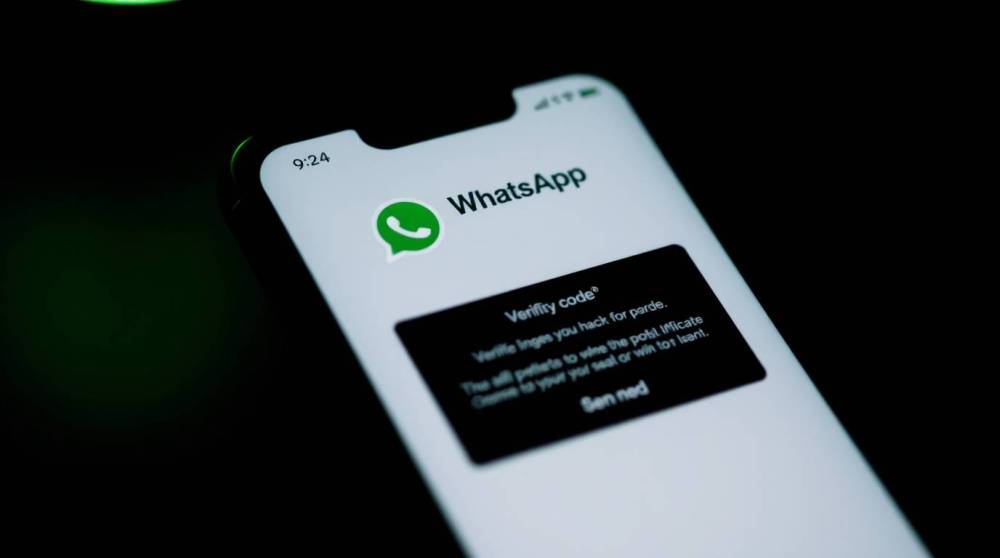
Getting you to hand over your verification code without even realizing it.
Attackers sometimes message you pretending to be a friend, a service, or even WhatsApp itself. They say something like, “Hey, I sent you a code by mistake, can you send it back?” And once they get that code, they can log into your WhatsApp and kick you out completely.
Another method is session hijacking. If someone gets into your email or your SMS messages, they can grab that verification message or reset options. And then there’s SIM swapping, basically convincing a telecom employee to move your number onto a new SIM card the attacker controls.
Once attackers get in, they don’t always start chaos right away. Many quietly read messages, impersonate you, or message your contacts asking for money. Some even use hacked accounts to spread phishing links or scam campaigns.
The problem is that WhatsApp is tied to your phone number. If someone gets control of that number or your verification code, you’re pretty much locked out.
There are protections though, like enabling two-step verification inside WhatsApp. It adds a second PIN that only you should know, even if someone gets your code.
WhatsApp hacks aren’t high tech Hollywood attacks. They’re simple and rely heavily on timing, social engineering, and catching you off guard for a few seconds. And that makes it even more important to stay careful with codes, PINs, and who you respond to.