Cyberwar goes beyond technical attacks like hacking networks. It often includes efforts to shape what people believe through false stories, manipulated media, and coordinated spreads online. In hybrid conflicts where physical, cyber, and information actions mix disinformation aims to create confusion, reduce trust in institutions, influence opinions, or justify actions. For everyday people, this can mean reacting to false alerts about threats, sharing panic-inducing content, or doubting verified reports during tense periods.
Misleading content spreads rapidly and can become popular on social media before corrections are effectively distributed. Using simple verification techniques will minimize your chances of being involved in the spread of misinformation or manipulated content.
Common Tactics Used in These Contexts
Patterns for identifying hybrid and cyber-influenced media include:
1. Photo/video manipulation showing faked or exaggerated incidents/events (including examples of staged photographs/videos).
2. The same video being recycled and presented as though it occurred yesterday when in fact it was produced months earlier.
3. Video/voice recordings created through artificial intelligence technology that are pre-scripted and presented as being the voice of another person.
4. Large numbers of social media posts by groups of coordinated or automated accounts that are amplifying the same narrative.
5. This tactic asserts that a real event did not occur but was created (or fabricated) by the opposing side as a means to blame shift.
By combining elements of the truth with falsehoods, the verifiability of false information is more difficult to detect and therefore more likely to be accepted as true.
Real-World Examples
There are many examples of the use of hybrid warfare in real time, including:
1. During geopolitical tensions and heightened military readiness of nations, coordinated campaigns by networks via social media were used to spread false information about alleged government produced biological weapons, human chemical agents, or alleged enemy secret weapons. The campaigns often utilized anonymous accounts and recycled documents as evidence.
2. Stories appearing to be about military heroes or military successes became viral before there were credible sources to support the information. It often resulted in large numbers of people believing the information before verification of the information occurred and exposed inconsistencies in the information.
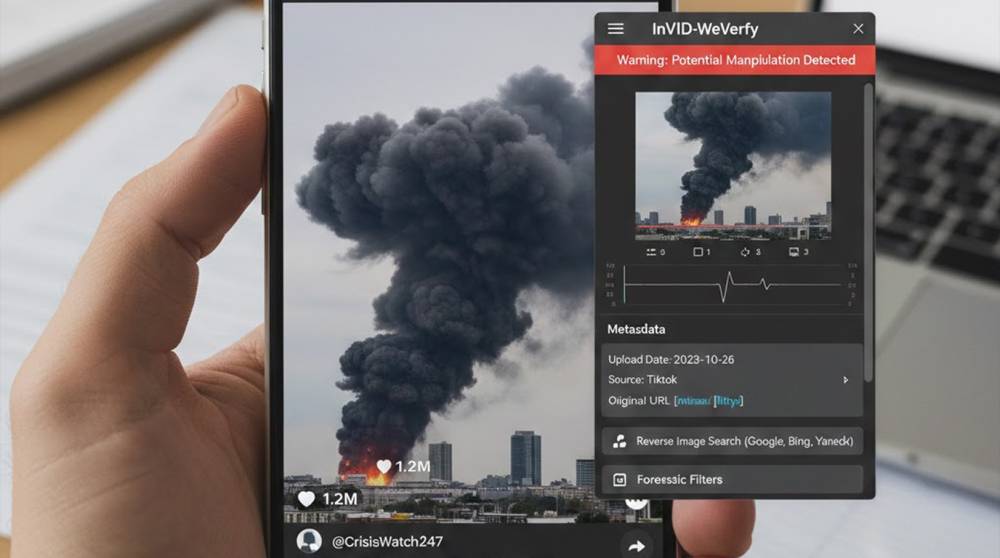
3. Misinformation, including images of military or civilian damaged infrastructure, and manipulation of images were widespread, with evidence of manipulation visually noticeable, and through various forms of metadata.
4. Fake messages containing recruitment information, or messages that appear to be official in nature with elements of phishing (hence being deceptive) were used to lure individuals into acting under the pretense that they were receiving urgent information regarding a security threat designed to obtain their personal information or resources. This is a tactic that combines cyber and disinformation tactics.
5. Videos and audio recordings of leading political figures making inflammatory comments have been produced to create division or inflame individuals who already have divided loyalties.
These are examples of how disinformation is a tool that provides a high impact with relatively small investment to the information environment associated with cyber/hybrid warfare associated events.
Practical Ways to Check and Verify
Although most checks are completed in seconds or few minutes.
1. Do a reverse search for the image or video to look for different websites or dates of publication, etc.
2. Review the account information/page details for new accounts, low follower counts and common posts being uploaded to multiple profiles. All of these things can indicate an orchestrated effort to spread misinformation.
3. Judge if the information is accurate; check for contradicting information that would provide mixed messages (dates, locations, weather, hair styles and clothing) to the claims made about the information.
4. Search for 'fact-check' or 'debunked' on the topic of the claim you are investigating on the internet.
5. Assess whether the posting of this information is intended to elicit a strong emotional reaction (anger, fear & triumph) so it can be shared virally.
If you have any doubts, please do not act upon this post until after reading this. The only thing disinformation and manipulation rely on is speed and lack of information to verify what you see.
Free Tools to Use Right Away
These are straightforward and don't require technical expertise:
1. Google Reverse Image Search (images.google.com) and TinEye allow users to upload or paste a link to an image to locate where the image originated or if it has been modified. Both Google Reverse Image Search and TinEye are ideal resources for locating re-used images.
2. InVID Verification (browser extension or invid-project.eu) Analyzes videos for metadata, keyframes, and origins. Upload clips to check timestamps or alterations.
3. Hive Moderation (thehive.ai) Free AI detector for deepfakes—upload images/videos to scan for synthetic generation.
4. Fotoforensics.com - Users can upload an image to the ELS service which detects changes made to the image through modifying, retouching or compressive modification(s).
5. Fact-checking resources Bellingcat (open-source investigations), Snopes, FactCheck.org, or EUvsDisinfo database. Search the claim directly.
6. Microsoft Video Authenticator (free tool) Checks short videos for manipulation signs.
Start with reverse search + one fact-check site for most cases.
Key Takeaways
Fake news, as used in cyber warfare, is used to play off emotions and break trust. You do not need to know everything about a fake story, but consistently using the tools listed allows you to conduct general verification checks in a timely manner. The verified availability of tools provides greater access to verification and slows down the spread of misinformation.