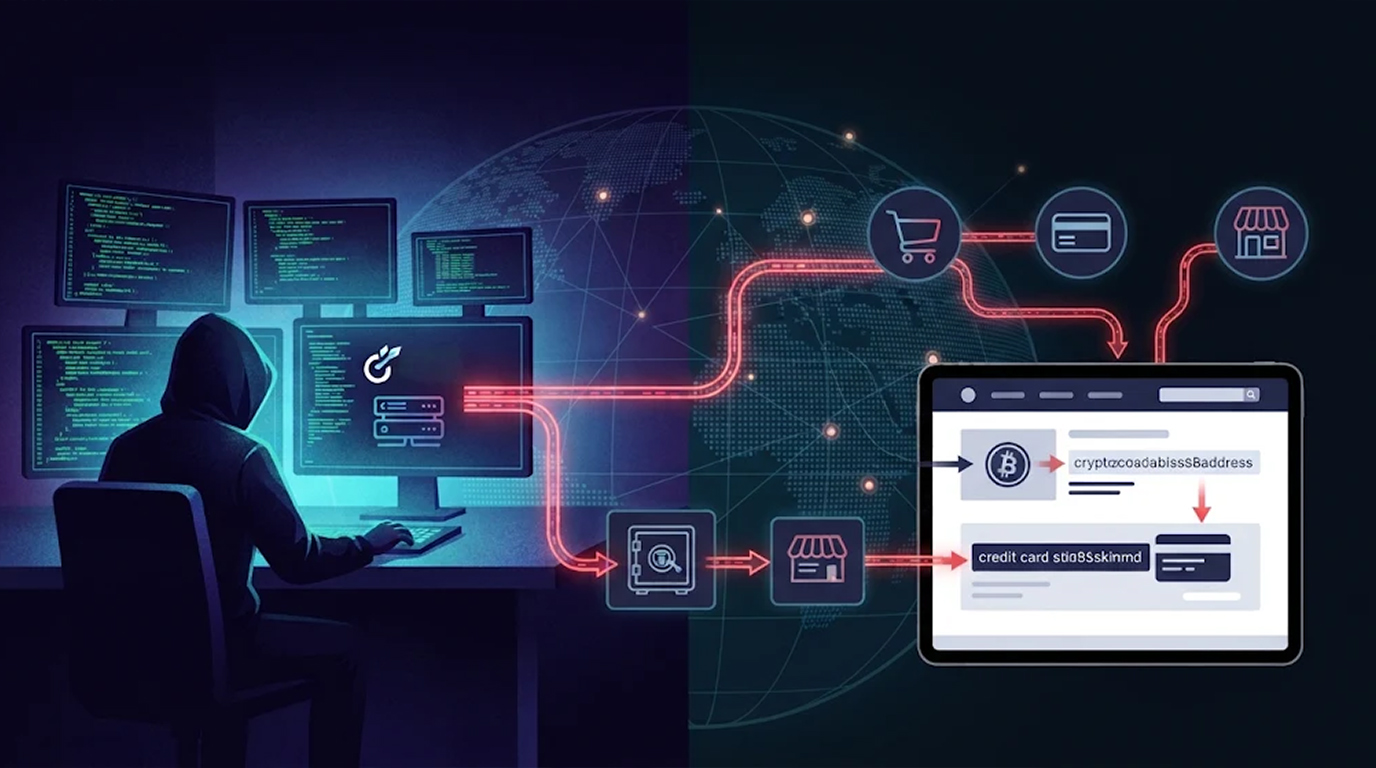

One of the greatest and worst forms of tech support / remote access scams during year 2026 has happened through one of the two most popular ways to remote into a computer (AnyDesk, TeamViewer, or QuickAssist), which have been used by these conmen will gain complete control of your computer, and then proceed to try to "fix" a fictitious problem for you, and along the way steal your Money.
These scammers are employing a combination of two of the most traditional tactics in order to perpetrate their scams:
1. They tell you that you will be paid a refund for an overcharge or subscription/service that you never ordered/received.
2. They tell you to buy gift cards (Google Play, Apple, Amazon, Steam, etc.) to “process the refund” — then they take the codes and disappear.
It is called a “hybrid” because it starts as a tech support scam (fear → remote access) and ends as a gift card money-laundering scam (fake refund → gift card payment).
Step-by-Step How It Usually Plays Out (Real 2026 Pattern)
1. First Contact & Fear
a) Initial contact via pop-up, cold call or email stating “your computer contains viruses / your Microsoft/Apple subscription has been compromised / unauthorized charges have been detected”.
b) Urgent: “Funds being stolen right now, and we must act immediately”.
2. Gain Remote Access
a) Request client to download/install an application to give the scammer remote access to the client’s computer. Programs may include AnyDesk, TeamViewer, QuickAssist, or even Chrome Remote Desktop.
b) Once connected, the scammer typically opens fake “scans” (screen of a scanning program), black box command windows or event logs of the client’s computer to ”prove” the client has a problem.
3. Switch to “Refund” Story
a) Upon exiting the client’s computer, the scammer will say, “we have fixed your fake virus”, “we found unauthorized charges/overpayments made against your subscription”, and “you are owed $XXX refund from Microsoft/Apple/Amazon/your bank”.
b) Refunds can only be processed through Gift Cards or similar accounts or methods because “it’s faster/more secure/government regulations”.
4. Pressure to buy gift cards
a) Direct you to a store (or send you to buy online).
b) Tell you to buy multiple high-value cards (often $500–$2,000 total).
c) Ask you to scratch off the back and read the codes over the phone or type them into a chat window they control.
5. Cash is gone in seconds
a) Codes are typically cashed within minutes (on the black market or through accomplices).
b) Scammers remain online to obtain other logs (online banking, cryptocurrency) or they will disconnect abruptly.
Real Characteristics in Real Life (reported in 2025-2026)
1. Victims of remote access schemes suffer an average loss of $500-$5,000 per incident. Victims may also incur additional charges (bank fees, etc.) from other transactions made by the scammer after losing access to the account.
2. Older adults are among the most frequent victims of tech support fraud (as demonstrated by data from the FTC/IC3).
3. Many victims do not realize they are victims of a scam until after all the gift cards have been spent, and have lost contact with the scammer.
4. Potential for additional losses through malware left behind (to steal more and to take over additional accounts).
Obvious Red Flags
1. Any requests for gift cards as a requirement to refund you or to "secure your money".
2. All major companies (Microsoft, Apple, Banks) should never ask you to purchase gift cards to complete a transaction or a service.
3. Urgency in acting ("Act now before you lose your refund window").
4. Remote access/control software has been downloaded at the direction of the scammer.
How to Protect Yourself
1. Never buy gift cards for anyone who contacts you claiming it’s for a refund, tech support, prize, or family emergency.
2. Never give remote access to unsolicited callers or pop-up prompts.
3. Hang up & verify independently: Go to the official website/app yourself; do not use numbers/links from the caller.
4. If already connected: Disconnect internet immediately, run full offline scan (Microsoft Defender Offline + Malwarebytes), change all passwords from a clean device.
5. Report: FTC.gov (US), local consumer protection, gift card issuer (they sometimes recover funds if reported fast).
Key Takeaways
The Hybrid of a Gift Card and Refund Scam is a two-step (fear + remote access to your computer) scam followed by a fake refund/to pay this scam with gift cards. It remains widely prevalent in 2026 due to the fact that as soon as the gift card code is shared with somebody it becomes virtually impossible to trace.
The golden rule is: There is no legitimate business or government agency that requests that you go out and purchase gift cards in order to receive money or fix a problem. Simply hang up, close your browser, verify directly with the business/agency through official channels, and never share your gift card code.