The challenge is that it's easy to overlook low-severity vulnerabilities because they are often labelled as being "minor," "low-risk," or "informational" and typically no prioritized above critical or high-severity vulnerabilities.
However, history has proven and continues to demonstrate that just because something is classified as "low" or not serious doesn't mean it poses no threat. In fact, many incidents have occurred due to small vulnerabilities. Attackers often use these small vulnerabilities as an entry point, which they combine to gain complete control over a system.
Low-severity vulnerabilities, although appearing insignificant individually may seem something simple such as:
1. An HttpOnly flag not being set on a cookie
2. An endpoint providing little debugging output
3. A web server being misconfigured to a minor extent
If considered alone, these vulnerabilities are unlikely candidates for a compromise. Yet attackers have patience and they have creativity, therefore they combine several 'minor' vulnerabilities to launch an attack.
This scenario illustrates one possible way in which these low-severity vulnerabilities could lead to compromise.
1. A web app exposed only minimal debugging information.
2. An attacker uses this information to investigate session management.
3. A weak configuration prevents token reuse.
4. The attacker is able to increase his privileges by gaining access to the database.
By combining these steps, an attacker can create an exploit out of a low-severity vulnerability and successfully compromise the entire system without being detected.
Why low-severity doesn’t mean low-risk
Attackers will attempt to establish a foothold on your network, and minor vulnerabilities typically provide attackers with:
1. Insights into the environment.
2. Information about user roles and permissions.
3. A launch point for lateral movements.
4. The opportunity to bypass detection.
Therefore, ignoring “small” bugs is equivalent to leaving a small and hidden back door unlocked; someone will eventually locate it.
Tips for Security Teams
1. Keep track of all vulnerabilities, not just the high-severity ones. You should document and track all vulnerabilities, even the very low severity ones, for future remediation.
2. Look for relationships. Consider how several different low-severity bugs could work together.
3. Understand the context. There are times when a low-severity bug could be highly dangerous due to the unique environment in which it’s located.
4. Incorporate continuous testing. Automating the scanning and monitoring can assist you in identifying potential low-severity bugs before they are exploited.
5. Train your development team on the importance of awareness of low-severity bugs. By training developers on awareness of low-severity bugs, developers are more likely to identify them before they are deployed to production.
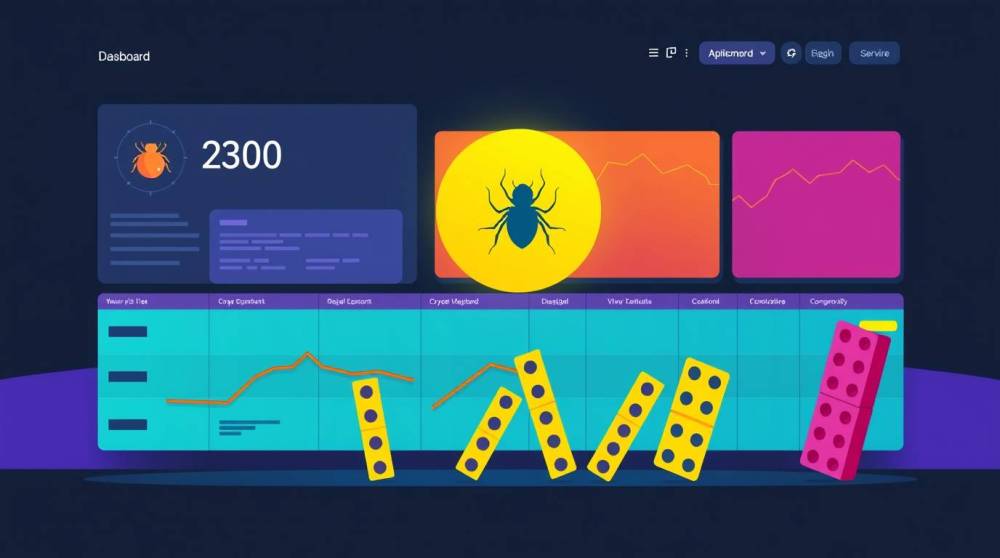
Although low-severity bugs do not raise alarms immediately, they could potentially be used as the first domino of a chain reaction leading to full compromise. Security isn’t just about responding to the loudest alarms; it is also about understanding how very small gaps could grow into extremely large problems.