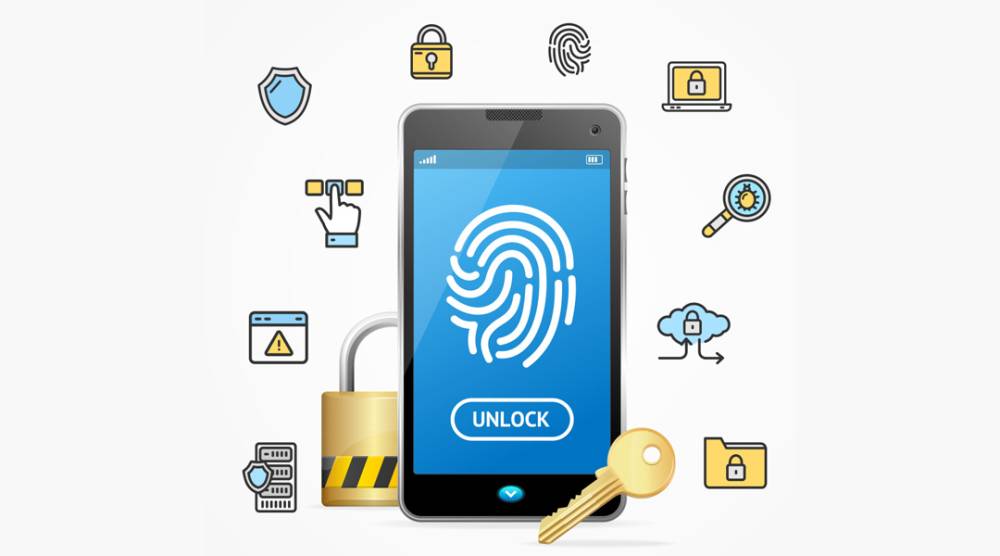
In an age where mobile devices are an extension of our lives, ensuring mobile app security is more important than ever. With so much sensitive information on these devices—from financial data to personal communications—keeping apps secure protects both your data and your privacy.
Why Mobile App Security Matters
Mobile apps manage everything from banking to social media, making them a prime target for cybercriminals. If attackers gain access, they can steal valuable information, impersonate users, or even take over accounts. Since mobile apps are often a gateway to personal data, one security breach can lead to significant privacy violations and financial losses.
Key Practices for Mobile App Security
- Strong Authentication: Implement secure login methods, such as multi-factor authentication (MFA) or biometrics, which make it much harder for unauthorized users to access your apps.
- Data Encryption: Encrypt data both in transit and at rest. This prevents unauthorized users from intercepting or accessing sensitive information.
- App Updates: Regular updates patch security vulnerabilities and keep apps safe from new threats. Staying on top of updates protects against the latest cyber risks.
- Avoiding Fake Apps: Only download apps from trusted app stores to minimize the risk of malware or fake apps. Fake apps can look identical to real ones but contain malicious code.
The Role of Users in Mobile App Security
Users play a critical role in mobile app security. Being cautious about granting app permissions, checking for app updates, and avoiding suspicious links or downloads are all steps users can take to prevent cyber threats. By following a few simple security practices, users can help protect their devices and personal information.
Mobile app security doesn’t have to be complex. Focusing on strong authentication, data encryption, and regular updates creates a solid defense against cyber threats. Keeping these practices in mind makes mobile devices safer, protecting both personal data and privacy.