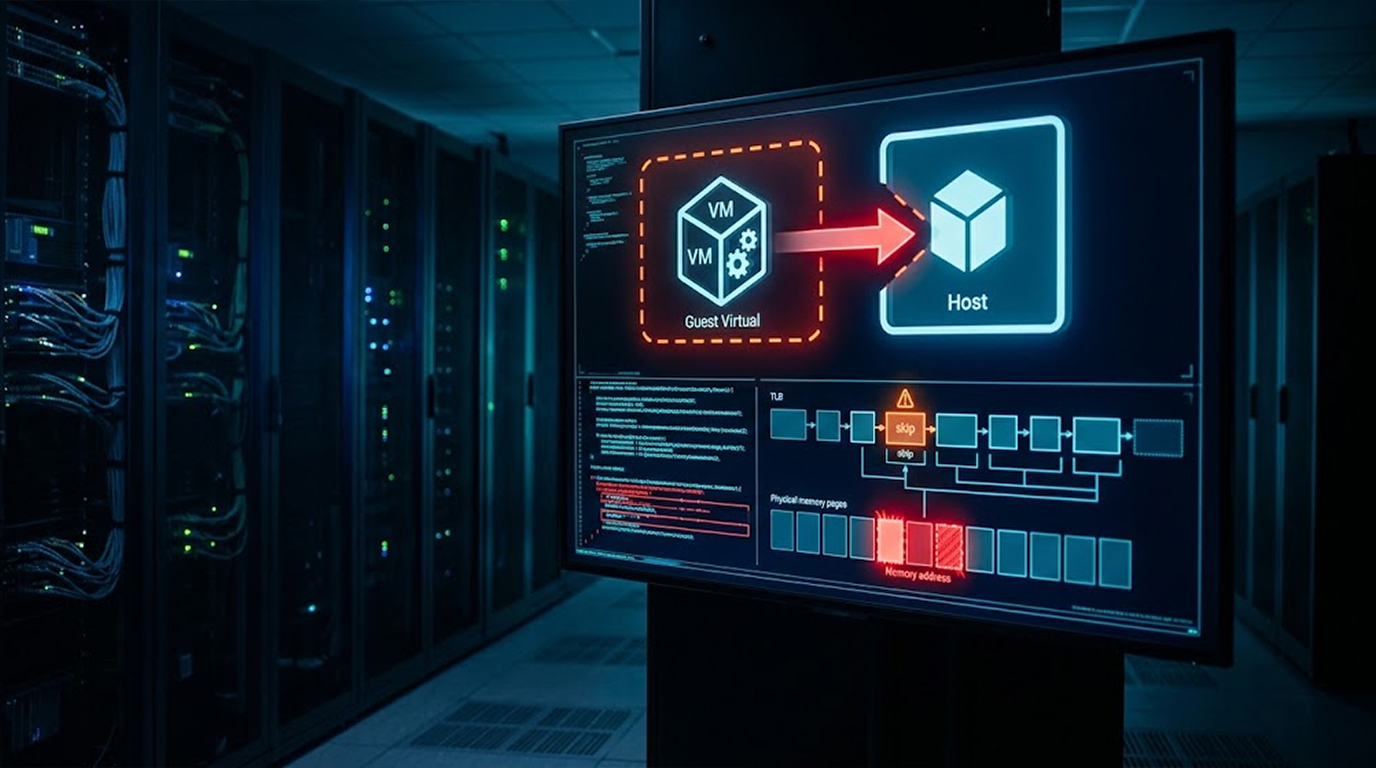
When cyber conflict escalates, critical infrastructure becomes part of the battlefield. In quiet and technical ways that still carry real-world consequences.
Power, water, telecom, healthcare, and transportation systems don’t need to be destroyed to cause disruption. They just need to be nudged in the wrong direction.
What Cyber Conflict Usually Looks Like
Most infrastructure attacks don’t involve flashy malware or public claims of responsibility.
They tend to involve:
1. Targeted phishing against operators
2. Compromised VPNs or remote access systems
3. Abuse of trusted administrative tools
4. Slow, deliberate lateral movement
The goal is access and positioning, not immediate impact.
Why Infrastructure Is Hard to Defend
Infrastructure environments weren’t designed with modern threat models in mind.
Common challenges include:
1. Legacy systems that can’t be easily patched
2. Always-on operational requirements
3. Limited visibility into OT networks
4. Third-party vendors with deep access
Security teams often have to protect systems that cannot simply be rebooted or replaced.
IT and OT Are No Longer Separate
The line between IT and operational technology is mostly gone.
Email compromises lead to VPN access, VPN access leads to control systems, Control systems affect physical processes, attackers understand these paths well, many defenses still treat them as separate worlds.
What Attackers Actually Target
In cyber conflict, attackers usually focus on:
1. Identity systems and credentials
2. Remote access infrastructure
3. Network segmentation gaps
4. Monitoring and response delays
Taking control of users is often easier than attacking machines directly.
Defensive Priorities That Actually Matter
Organizations that hold up better focus on fundamentals.
That usually means:
1. Strong authentication for remote access
2. Tight control over privileged accounts
3. Segmentation between IT and OT networks
4. Logging that covers both environments
5. Tested incident response procedures
None of this prevents conflict. It limits impact.
The Importance of Resilience Versus Prevention
When faced with cyber conflict, prevention will eventually fail.
The key is:
1. The speed of detection by teams regarding abnormal activities
2. Whether access is contained
3. The ability to restore systems safely
4. The manner in which decisions are made under times of pressure
Resiliency allows organizations to recover much more quickly and with less disruption than others.
Coordination Is Part of Defense
Infrastructure defense isn’t just technical.
It requires:
1. Clear communication paths
2. Coordination with vendors
3. Defined escalation to leadership
4. Legal and regulatory awareness
Confusion causes more downtime than most exploits.
Defending infrastructure during cyber conflict isn’t about winning, It’s about staying operational while under pressure. The strongest defenses are rarely the most advanced, they’re the ones that work reliably when everything else is already going wrong.