Deepfakes used to be a novelty. Funny videos. Entertainment. A bit of digital trickery.
Today, they’re a serious security threat and attackers know it.
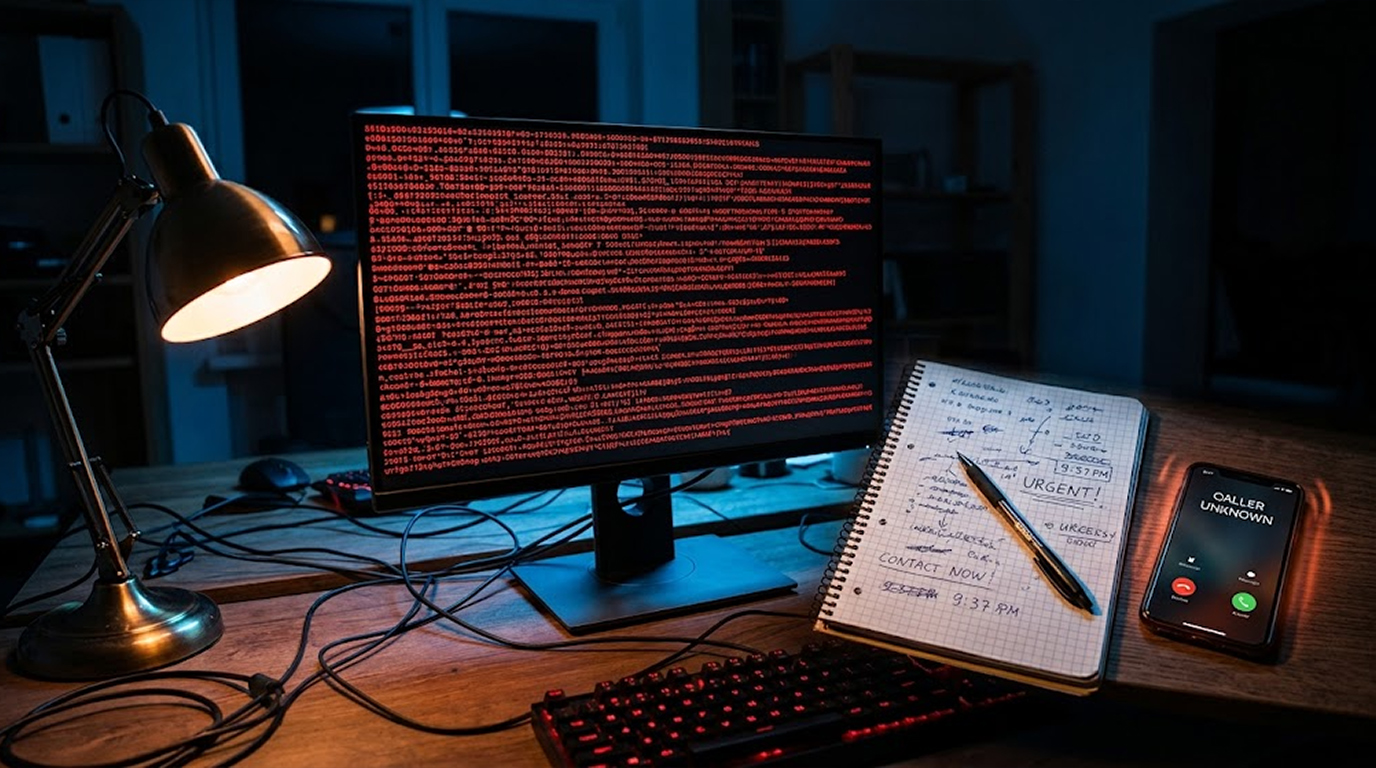
Cybercriminals are now using deepfake technology to impersonate real people with frightening accuracy. A cloned voice. A fake video call. A synthetic face asking for money, access, or sensitive information. And most victims don’t realize the person they’re speaking to… doesn’t actually exist.
This new form of social engineering is powerful because it targets the one thing humans trust most: familiarity. When you hear your manager’s voice, or see a colleague’s face asking for “urgent help,” your brain reacts before your logic does. Attackers rely on that moment of trust.
We’ve already seen real companies lose large sums because an employee followed instructions from a voice that sounded exactly like their CEO. The same technique is now spreading to families, business owners, government institutions, and everyday people.
The danger is simple: deepfakes remove the need for hackers to break into a system — they just break into your trust.
And the technology is only getting better.
Protecting yourself starts with one mindset: verify everything that feels urgent, emotional, or unusual, even if the voice or face looks familiar.
If you get a sudden request for money, access, or confidential data, take a second step. Call back using a known number. Ask for written confirmation. Double-check with another colleague. Deepfake attacks succeed when people rush.
We’re entering a world where seeing and hearing are no longer proof.
Caution isn’t paranoia, it’s survival.