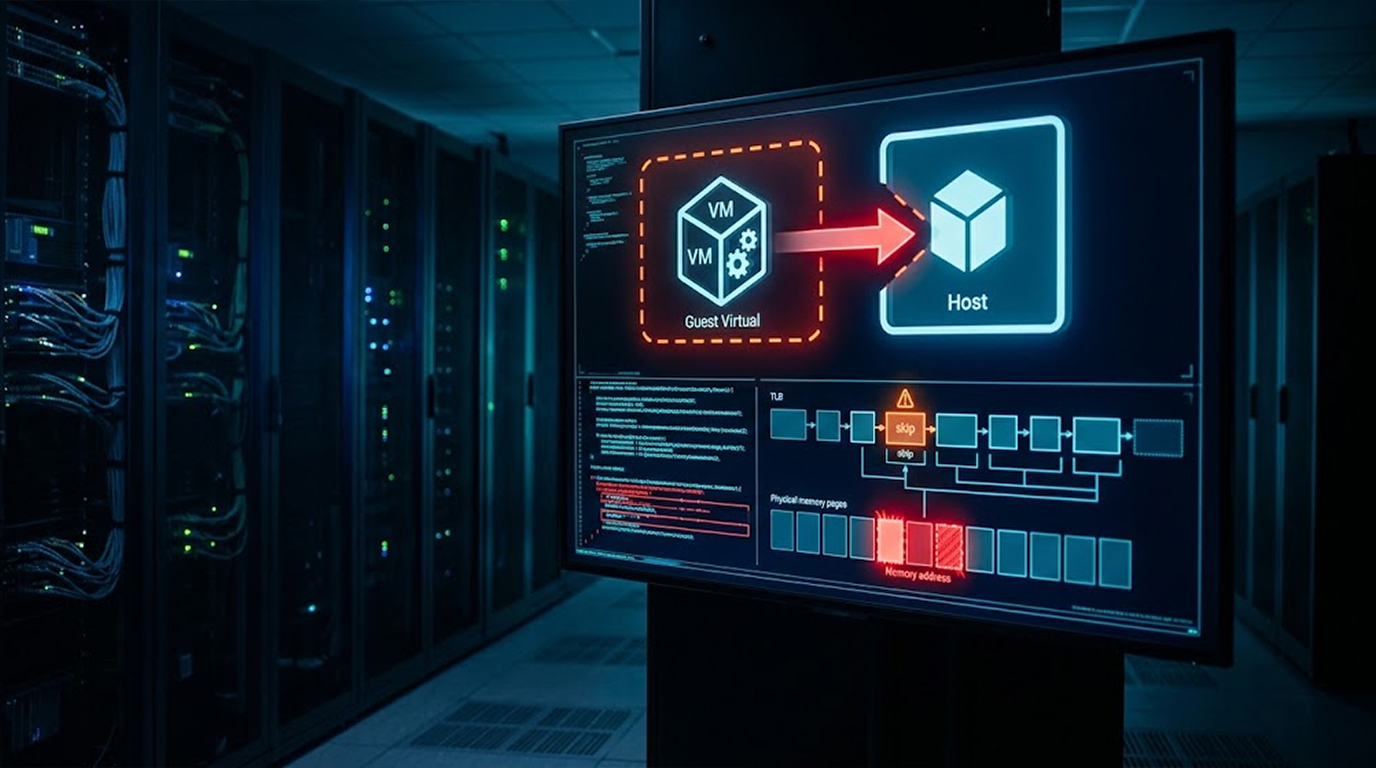
Cyber warfare isn’t just about networks anymore, it’s in the cloud.
Critical infrastructure, enterprises, and governments rely on cloud services.
That changes the game.
No longer are attacks confined to physical servers.
Now, virtual machines, containers, and APIs are the battlegrounds.
Reasons Why Cloud Changes The Game
1. Cloud Providers Have Shared Responsibility For The Infrastructure; Customers Have To Secure Their Data, Applications And Configuration.
2. If You Do Not Fully Understand This It Can Cost You Dearly, Misunderstanding Is A Costly One.
3. Cloud Environments Are Dynamic, Servers Come And Go Daily, IP Addresses And Endpoints Change Regularly Which Makes Traditional Perimeter Defenses Less Effective.
4. Cloud Providers Use APIs To Create And Automate Client Services And Manage Infrastructure, APIs Are The New Attack Surface.
5. IT Security Professionals And Cyber Criminals Can Scale Their Businesses Very Quickly; A Single Misconfigured Instance May Cause Significant Risk Propagation.
Common Attack Paths Utilized In Cloud Warfare
1. Misconfigured Storage, Public Buckets Or Databases, Exposure Of Sensitive Data, Easy Entry Point To Attackers.
2. Compromised Credentials, IAM Keys And Tokens Stolen, Overly Permissive Roles Abused, First Step In Lateral Movement.
3. Exploiting APIs, Automated Scanning Tools Looking For Lack Of Endpoint Protection, Data Loss Via API Calls, Abuse Of Misconfigured Permissions.
4. Vulnerabilities In Containers And VMs, Exploitation Of Unpatched Images, Increasing Privileges Inside Of Containers, Movement Across Cloud Networks.
5. Supply Chain Risks, Third Parties With Access To Your Cloud, Plugins And CI/CD Pipelines Being Compromised.
Real-World Example
In a recent incident:
1. Attackers accessed cloud storage with exposed credentials.
2. API calls enumerated other resources.
3. They moved laterally across the cloud environment without detection.
4. No malware was installed. Logs were sparse, because everything was “allowed.”
The breach wasn’t dramatic.
It was quiet, fast, and entirely in the cloud.
Why Detection Is Hard
1. Logs are distributed across multiple services.
2. Alerts focus on failures, not normal-but-suspicious API activity.
3. Admin tools can be abused to look like legitimate activity.
4. Dynamic environments mean “baseline behavior” constantly changes.
Practical Defensive Strategies
1. Centralized Logging and Monitoring
Aggregate (collection of) logs from your virtual machines (VMs) as well as checking for anomalies across, API's and Storage.
2. Audit Your Permissions Regularly
Make sure to always apply the principle of least privilege, and review your permissions regularly. Also, eliminate any unused keys and tokens.
3. Automate Configuration Checks
Utilize tools that will check for your security posture continually, and detect misconfigured API's, public buckets, or exposed endpoints.
4. Track Lateral Movement
Keep an eye out for unusual API calls between Services as this may be indicative of compromise and Alert on any atypical Service-2-Service access.
5. Assume Breach and Test
Use Red Team exercises within your Cloud Infrastructure to identify vulnerabilities and Test your IAM Roles, API Endpoints and Container Isolation.
Real-World Analogy
Think of the cloud as the city of floating buildings; some buildings are owned by you, and some by other people. Some are virtual.
Attackers move stealthily from building to building without being seen most of the time. So the defence of the cloud can't be just done with walls. You need to know where people are all the time and have control over access.
The cloud has allowed the speed, stealth, and complexity of cyber warfare to greatly increase. What used to be thought of as being "firewalls" and "on-premise servers" will now be considered when working in the cloud, which will include understanding the shared responsibility model, monitoring large amounts of data, and understanding that attackers may already be inside your systems.
The tools and principles are still the same as they have always been, but the battlefield for those tools and principles has changed dramatically.