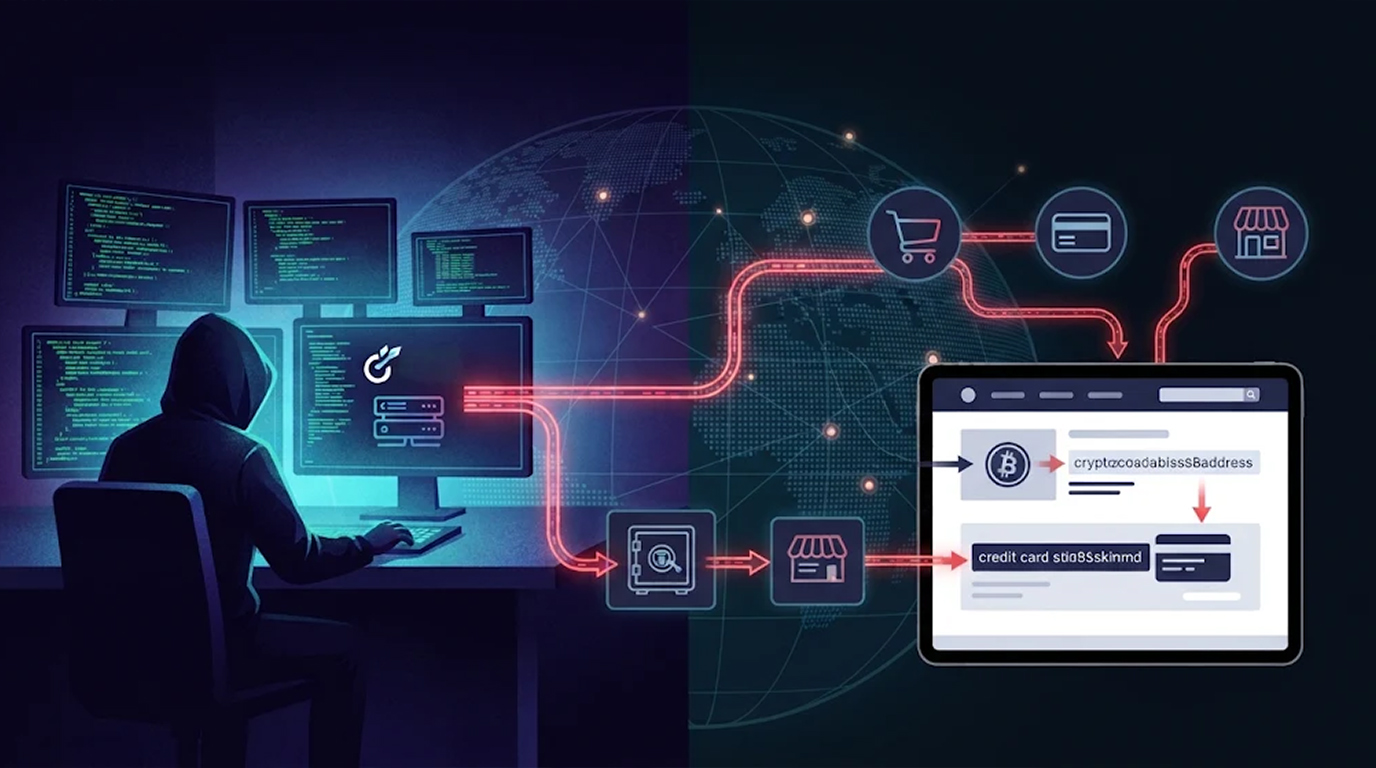

As cloud computing becomes the backbone of modern digital infrastructure, the risk of cyberattacks targeting cloud environments has surged. Cloud attacks, where hackers exploit weaknesses in cloud systems, can lead to data breaches, service disruptions, and financial losses for organizations. Understanding these attacks and how to defend against them is critical for businesses that rely on the cloud.
Common Cloud Attack Methods
- Data Breaches:
Cloud storage solutions, where sensitive data is stored, are prime targets for cybercriminals. A data breach occurs when attackers gain unauthorized access to this information. Often, weak security practices, such as poorly configured databases or lax authentication mechanisms, contribute to these incidents. - Denial of Service (DoS) Attacks:
A denial of service attack occurs when malicious actors overwhelm cloud services with an excessive amount of traffic, causing system slowdowns or complete outages. This attack disrupts operations and can make websites, applications, or data inaccessible. - Cloud Malware Injection:
Malware injection attacks target cloud applications by inserting malicious scripts or code into cloud services. Once embedded, this malware can steal sensitive information, control processes, or redirect users to harmful websites. Attackers often exploit vulnerabilities in the cloud infrastructure to deploy these attacks. - Account Hijacking:
One of the most prevalent threats to cloud users is account hijacking. Hackers can gain control of cloud accounts by stealing credentials through phishing schemes, weak passwords, or exploiting session tokens. Once they have access, they can manipulate or steal data, launch other attacks, or impersonate the account owner. - Insider Threats:
Not all cloud attacks come from external hackers. Insider threats occur when employees or partners with access to cloud services misuse their privileges, intentionally or unintentionally. These insiders might leak confidential information, delete essential files, or leave systems vulnerable to attack. - Insecure APIs:
Cloud platforms often rely on APIs (Application Programming Interfaces) to interact with different services. However, if these APIs are not adequately secured, attackers can exploit them to access or manipulate cloud systems. Insecure APIs can serve as a doorway to further attacks like data theft or service manipulation.
High-Profile Cloud Attacks
Dropbox (2012): In one of the most significant breaches, Dropbox suffered an attack where hackers accessed 68 million user accounts due to weak password security. This breach emphasized the importance of secure authentication in cloud environments.
Capital One (2019): The Capital One cloud breach exposed the personal information of over 100 million customers, including Social Security numbers and financial data. This attack resulted from a misconfigured web application firewall, highlighting the need for proper cloud configurations.
How to Protect Against Cloud Attacks
- Strong Authentication and Access Control:
Implement multi-factor authentication (MFA) and use strong, unique passwords for all cloud services. Ensure that only authorized users have access to sensitive data and services. - Data Encryption:
Encrypt data both in transit and at rest. Encryption ensures that even if data is intercepted or accessed without permission, it remains unreadable to unauthorized users. - Regular Security Audits:
Continuously monitor and audit cloud configurations, networks, and applications to identify and address potential vulnerabilities. Employ cloud security tools that can automate this process and detect threats early. - Secure APIs:
Ensure all cloud APIs are secured with encryption, proper authentication methods, and usage of secure protocols. Regularly test APIs for vulnerabilities to prevent exploitation. - Backup and Recovery Plan:
Regularly back up data stored in the cloud and create a robust recovery plan in case of data loss or ransomware attacks. This minimizes downtime and data loss during a breach. - Employee Training:
Since insider threats and phishing are common in cloud attacks, educating employees on best security practices is critical. Regular training can help prevent common mistakes that lead to breaches.
Cloud computing offers immense benefits, but it also introduces new cybersecurity risks. As more businesses transition to cloud-based services, understanding cloud attack methods and implementing robust security measures is essential to safeguarding sensitive data and maintaining business continuity. Proactive defense strategies, including strong authentication, encryption, and regular audits, can help mitigate the risks of cloud attacks and ensure a secure cloud environment.