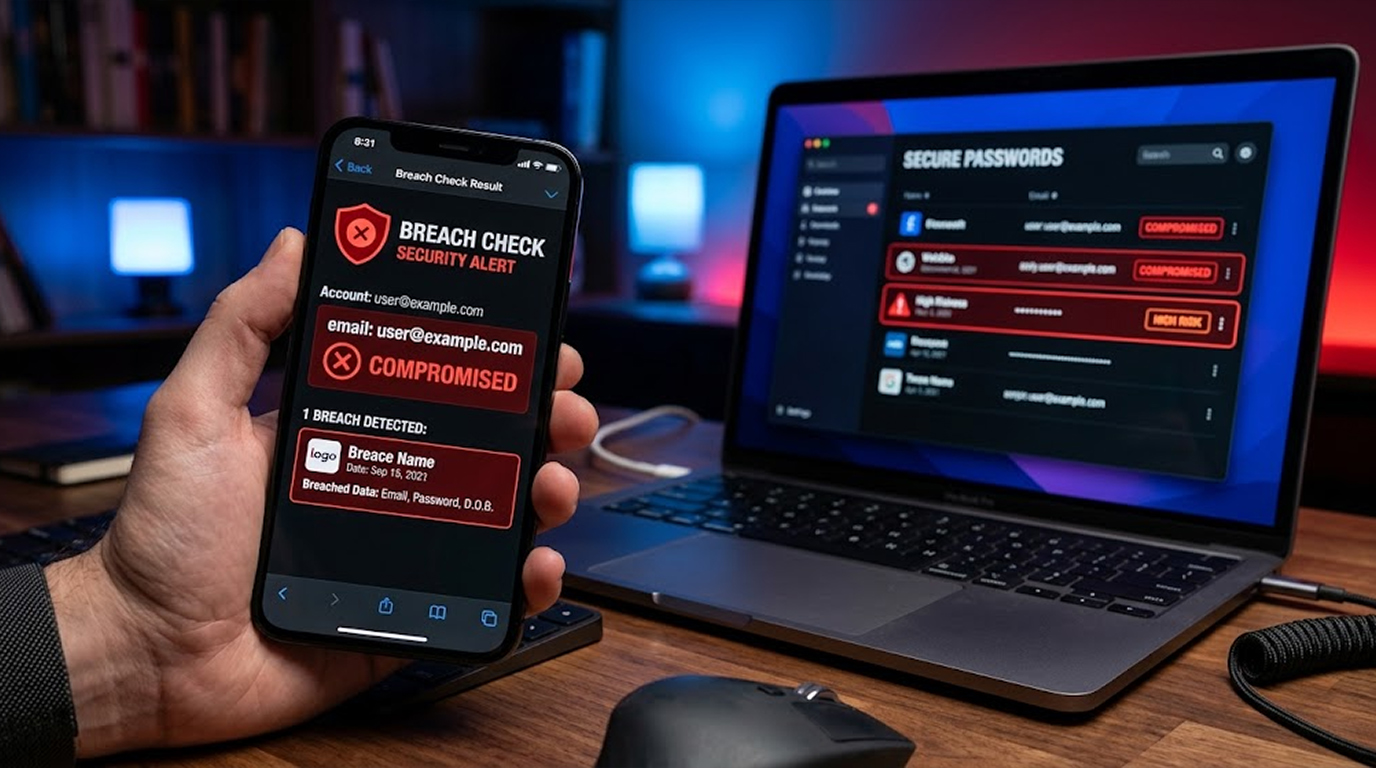
Key considerations for conducting ethical hacking experiments
One of the fundamental considerations for conducting ethical hacking experiments is understanding and respecting legal and ethical boundaries[1]. Ethical hackers must operate within the confines of the law and adhere to established ethical guidelines to ensure that their activities do not infringe upon the rights of others or violate regulations. Unauthorized hacking is illegal, and ethical hackers should be well-versed in the laws and regulations that govern their work[2]. By following these best practices, ethical hackers can safeguard themselves from legal repercussions and maintain the integrity of their work[1]. It is essential for ethical hackers to stay informed about the evolving legal landscape surrounding cybersecurity to conduct their experiments responsibly and ethically.
Obtaining proper authorization and consent is paramount when conducting ethical hacking experiments[3]. Before initiating any testing, ethical hackers must obtain explicit permission from the organization or system owner to assess vulnerabilities and security measures in place[2]. This step is crucial to ensure that the hacking activities are conducted within a controlled environment and with the necessary safeguards in place to protect the organization's systems and data. By respecting the boundaries set by authorization protocols, ethical hackers can demonstrate professionalism and adherence to ethical principles in their work[4].
Ensuring confidentiality and data protection is another key consideration for conducting ethical hacking experiments[5]. Ethical hackers must handle any sensitive information or data discovered during their testing with the utmost care and confidentiality[6]. Respecting privacy and maintaining the confidentiality of any findings is essential to uphold the trust placed in ethical hackers by the organization undergoing testing[7]. By following strict confidentiality protocols and ethical guidelines, ethical hackers can mitigate the risks associated with handling sensitive data and ensure that their activities contribute positively to enhancing cybersecurity measures within organizations[1].
Benefits And Limitations
Benefits:
- Enhanced security: Ethical hacking experiments help organizations identify vulnerabilities in their systems, allowing them to patch these weaknesses before malicious hackers exploit them.
- Improved preparedness: By simulating real-world cyber attacks, ethical hacking experiments help organizations prepare for potential security breaches and develop effective incident response plans.
Limitations:
- Legal and ethical concerns: Conducting ethical hacking experiments requires clear boundaries to ensure that the activities remain within legal and ethical limits.
- Skill requirements: Ethical hacking experiments necessitate a high level of expertise and specialized skills, which may be a barrier for organizations without dedicated cybersecurity professionals.
Solutions:
- Clear guidelines: Establishing clear guidelines and obtaining proper permissions before conducting ethical hacking experiments can help mitigate legal and ethical concerns.
- Training and education: Providing training and resources to upskill staff in cybersecurity practices can help organizations overcome the skill requirements for conducting ethical hacking experiments.
Summary: Ethical hacking experiments offer significant benefits by enhancing security and improving preparedness against cyber threats. However, they come with limitations related to legal and ethical considerations as well as the need for specialized skills. By implementing clear guidelines, training staff, and ensuring ethical practices, organizations can effectively leverage ethical hacking experiments to bolster their cybersecurity defenses.
Tips And Best Practices
**Obtain Legal Permission** - Before conducting any ethical hacking experiments, ensure you have explicit permission from the organization or individual you are testing. This can help you avoid legal repercussions and ensure that your activities are conducted within the boundaries of the law.
**Define Scope and Objectives** - Clearly define the scope and objectives of your ethical hacking experiments. Identify the systems, applications, or networks you are authorized to test, as well as the specific goals you aim to achieve. This helps in focusing your efforts and ensuring you stay within the agreed boundaries.
**Document Everything** - Document every step of your ethical hacking experiments, including methodologies, findings, vulnerabilities discovered, and remediation recommendations. Detailed documentation not only helps you track your progress but also provides a comprehensive report for the organization to improve their security posture.
**Respect Privacy and Confidentiality** - Respect the privacy and confidentiality of the organization's data and systems during your ethical hacking experiments. Avoid accessing or tampering with sensitive information that is not relevant to the assessment. Adhering to ethical principles is crucial to maintaining trust and professionalism in the field.
**Continuous Learning and Compliance** - Stay updated with the latest hacking techniques, tools, and security trends to enhance your ethical hacking skills. Additionally, comply with industry standards and ethical guidelines, such as those outlined by organizations like EC-Council or Offensive Security, to demonstrate your commitment to conducting ethical hacking experiments responsibly.
In conclusion, conducting ethical hacking experiments requires a thorough understanding of legal and ethical boundaries, obtaining proper authorization and consent, and ensuring confidentiality and data protection. By following these key considerations, organizations can conduct ethical hacking experiments in a responsible and ethical manner, while also identifying potential vulnerabilities and improving their overall security posture. It is important to remember that ethical hacking experiments should always be conducted with the utmost care and respect for the privacy and security of individuals and organizations involved.
References
1. What are the ethical and legal considerations for pentesting?. (n.d.) retrieved April 28, 2024, from www.secureideas.com
2. What are the legal and ethical considerations when .... (n.d.) retrieved April 28, 2024, from www.quora.com
3. The Legal and Ethical Aspects of Ethical Hacking - IFACET. (n.d.) retrieved April 28, 2024, from ifacet.iitk.ac.in
4. 10 Ethical Hacking Best Practices You Need to Know. (n.d.) retrieved April 28, 2024, from www.studytonight.com
5. Ethical Hacking: Proactively Protecting Your Organisation .... (n.d.) retrieved April 28, 2024, from www.institutedata.com/blog/ethical-hacking-explained/
6. The Ethical Hacking Guide: Hacking for Security. (n.d.) retrieved April 28, 2024, from www.splunk.com/en_us/blog/learn/ethical-hacking.html
7. Ethical Hacking: Proactively Protecting Your Organization .... (n.d.) retrieved April 28, 2024, from www.institutedata.com/us/blog/ethical-hacking-explained/