You know how it goes: another cyberattack hits, the news lights up, and immediately someone is blamed. “Country X did it!” “State-sponsored hackers behind the scenes!” And the public nods along, because that’s what makes sense, right? But here’s the kicker sometimes we don’t actually know.
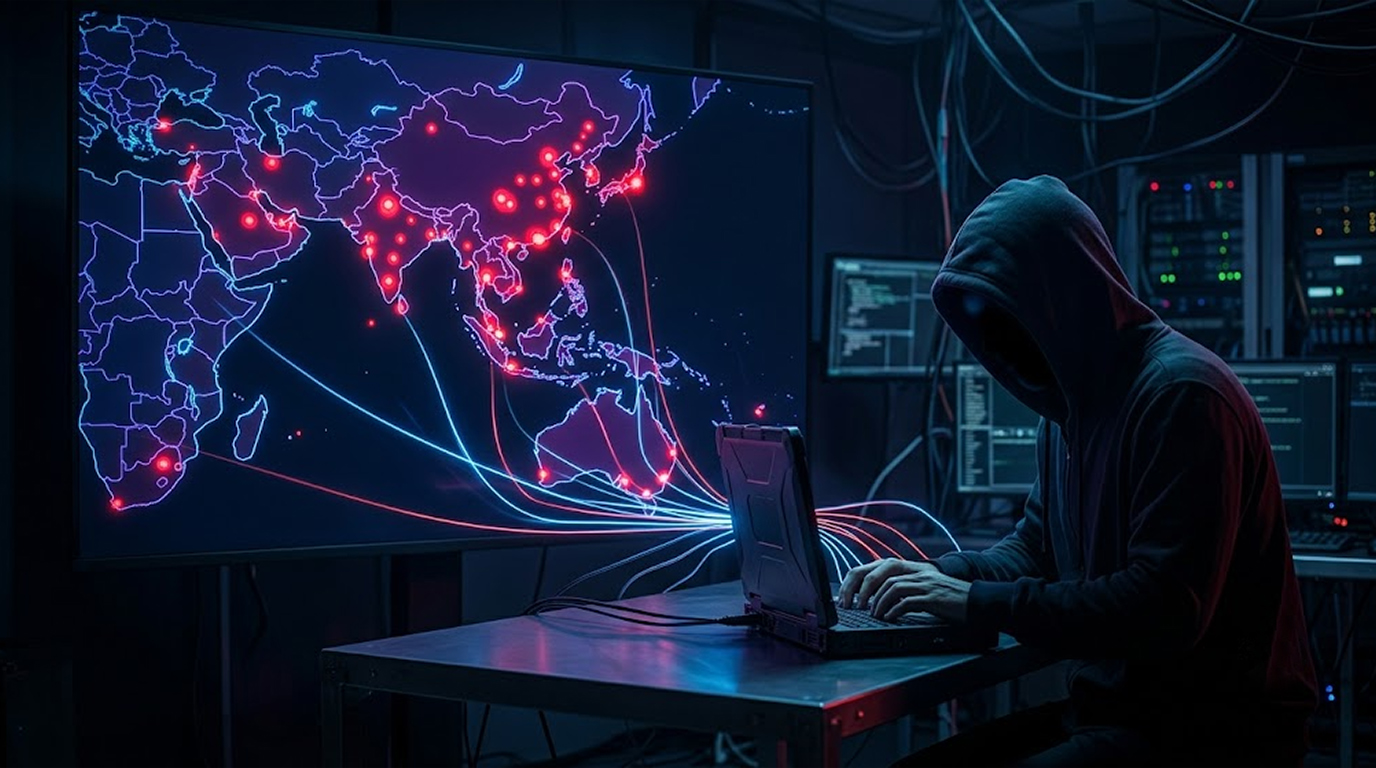
See, attribution in cyberspace isn’t like catching someone stealing a car. There’s no fingerprint on the steering wheel. No security camera footage. Attackers can cover their tracks, fake IPs, copy tactics from other groups. Sometimes they even leave digital breadcrumbs to deliberately point at the wrong country. And that, right there, is why this is called the attribution war.
Then you throw politics into the mix. Governments don’t just blame others because it’s accurate, they do it to send messages. To allies. To enemies. To citizens who want reassurance. Misstep on this, and it could escalate tensions or even spark retaliation. It’s a minefield, really.
But here’s something most people miss: it’s not always about blame. Sometimes attribution is a tool. A deterrent. Saying publicly, “We know who you are” can actually make attackers pause or at least signal that they won’t get away with it unnoticed. It’s strategic theater, almost as much as it is technical investigation.
Even so, experts often argue that obsession over attribution can be a trap. Because the attacks themselves whether caused by a nation, a rogue hacker group, or some freelance cybercriminals keep moving. If a country focuses too much on pointing fingers, they might miss the bigger picture: securing infrastructure, detecting attacks faster, and preparing for the next one.
And let’s be honest: cyberspace is messy. There’s no easy line between “us” and “them.” Networks overlap, cloud services are global, and attacks can be routed through half a dozen countries before landing on your doorstep. Sometimes the more we try to assign blame, the more complicated things get.
So, yeah. Attribution wars are frustrating, often political, sometimes performative. But they’re also fascinating. They show just how interconnected and vulnerable our world has become. And maybe the lesson isn’t about knowing exactly who did it. Maybe it’s about being ready for it, no matter who’s on the other side.
Because in the end, whether you call it espionage, cyberwarfare, or just a really smart criminal operation, the attackers don’t care who figures it out. They only care whether you can respond in time.